
Buyer Knowledge Centre
Webbing, Elastic Band & Drawcord Sourcing Guides
Use application-led articles to prepare better specifications, samples and supplier conversations.

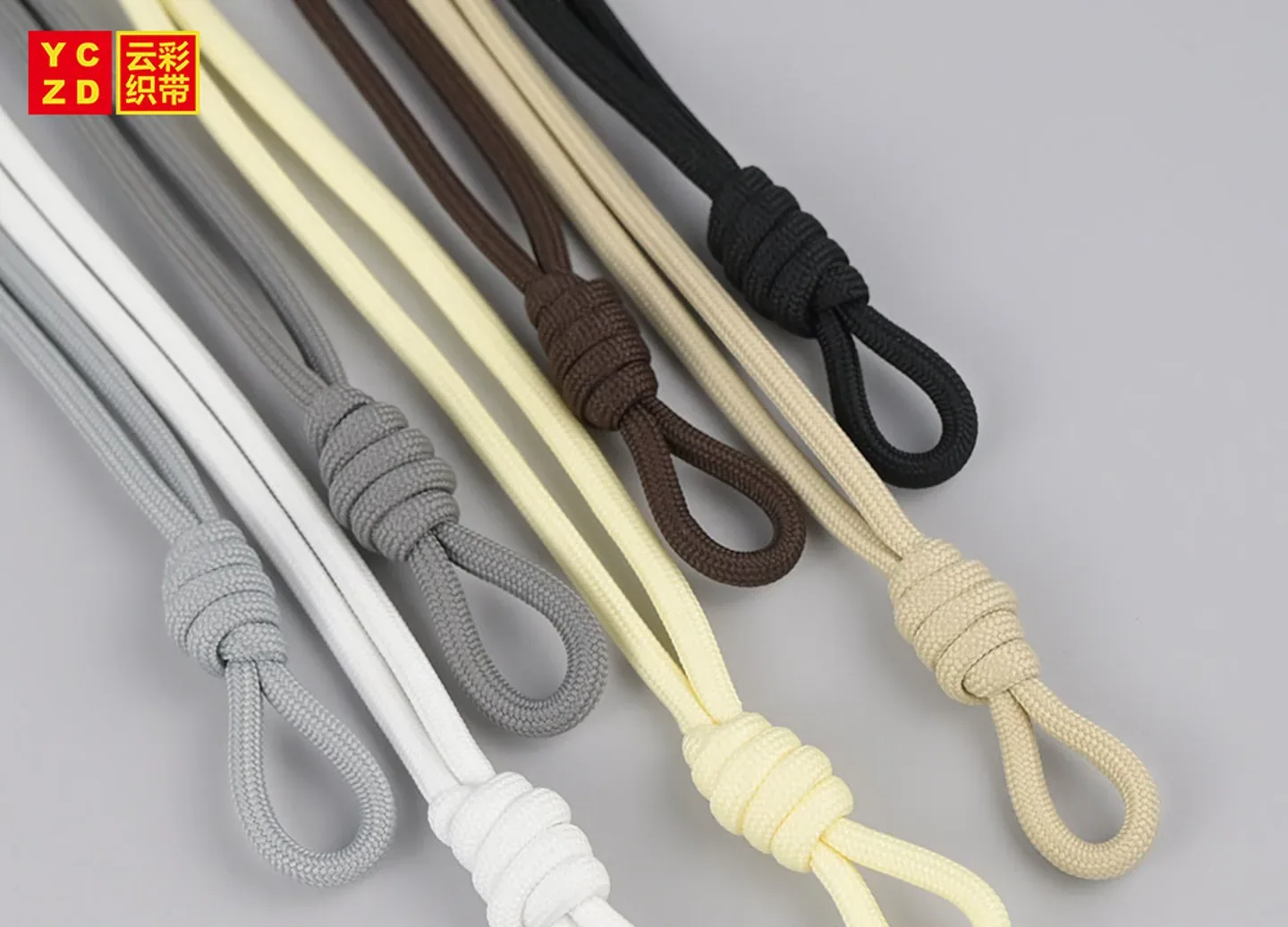
Braided vs Twisted Cord: How Buyers Specify Construction for Apparel, Bags and Footwear
Braided and twisted cords can look similar in a catalogue yet behave differently when bent, knotted, cut, tipped or pulled through hardware. Buyers need to specify the construction, measured dimensions, yarn system, hand, assembly path and approval evidence instead of ordering by diameter and colour alone.
Read the Guide →All Articles
Product & Material Guides

Webbing Construction: How to Specify Yarn, Thread Count, Mass and Thickness
A webbing sample cannot be reproduced from width and colour alone. Record the yarn system, warp and weft counts, mass, thickness and measurement conditions as one controlled construction.
Read the Guide →
Tubular Webbing vs Flat Webbing: How Buyers Choose and Specify the Structure
Tubular and flat webbing are construction families, not automatic performance grades. Buyers should select the cross-section around the assembly, then approve the exact material, dimensions and evidence.
Read the Guide →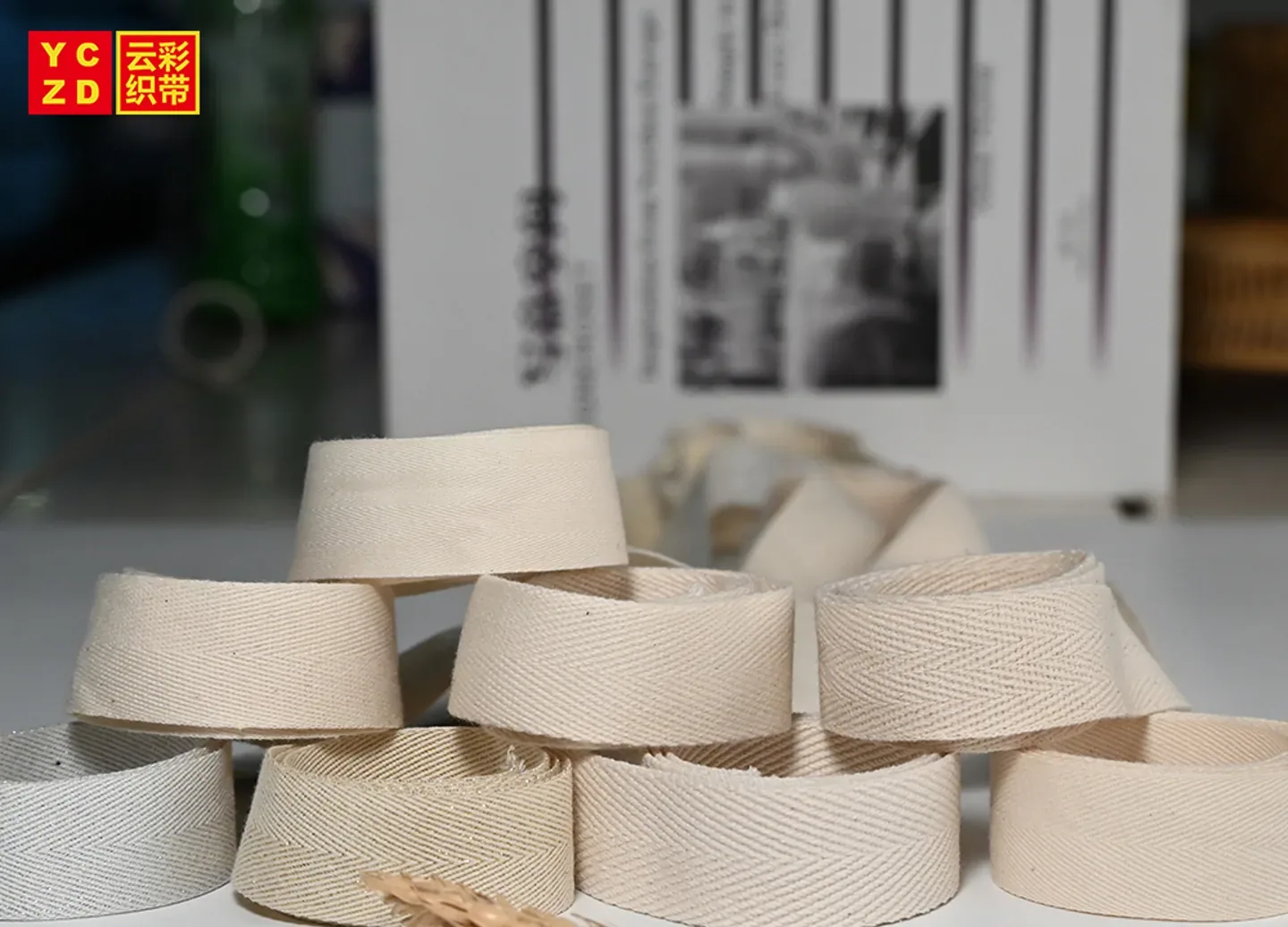
Recycled Cotton Webbing: How to Verify Content, Claims and Production Fit
Recycled cotton is a material claim, not a visible style or automatic performance grade. Buyers need one evidence path for content and another for the finished webbing’s application fit.
Read the Guide →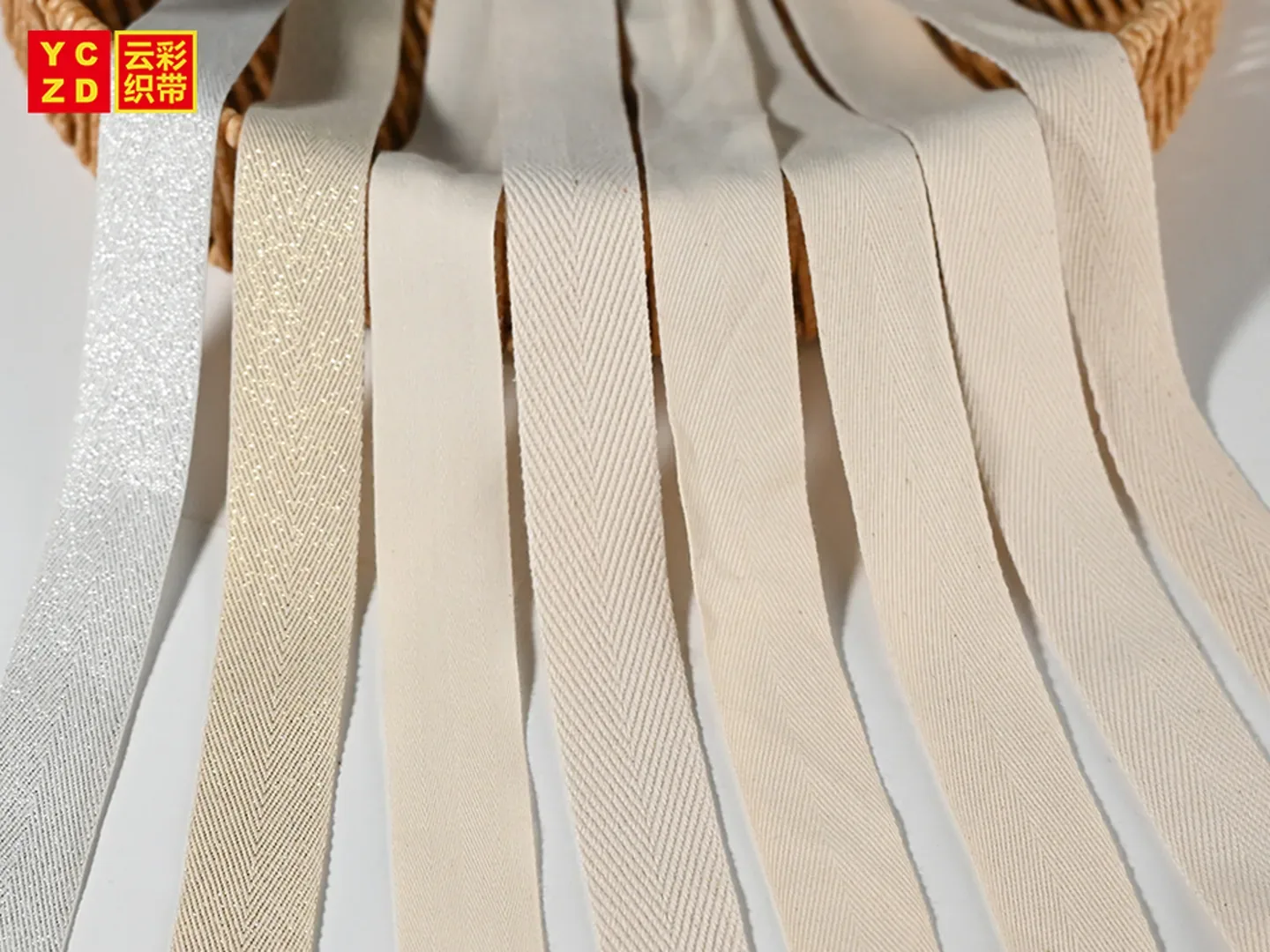
Herringbone Tape vs Plain Webbing: Construction, Sewing and Sourcing
Herringbone is a broken-twill structure, not a fibre name. Compare it with plain webbing on the actual material, dimensions, tactile feel, assembly and end-use checks.
Read the Guide →
Rib Knit Trim Sourcing Guide: Recovery, Hand Feel, Colour and Wash Testing
A rib trim is a working garment component, not simply a matching strip of knit fabric. Its construction, recovery, edge, hand and care behaviour must be approved together with the garment assembly.
Read the Guide →Knitted Tape vs Woven Webbing: Which Construction Fits Garment Trims?
Knitted tape usually supports softness, flexibility and body-following trim applications, while woven webbing often supports controlled dimensions, defined edges and structured details. The correct choice still depends on the exact construction and finished assembly.
Read the Guide →Nylon vs Polyester vs Polypropylene Webbing for Bags: A Buyer’s Material Selection Guide
Nylon, polyester and polypropylene webbing can all be appropriate for bags. The right choice depends on the product environment, desired hand and appearance, load path, hardware, moisture and UV exposure, care conditions, test plan and commercial target.
Read the Guide →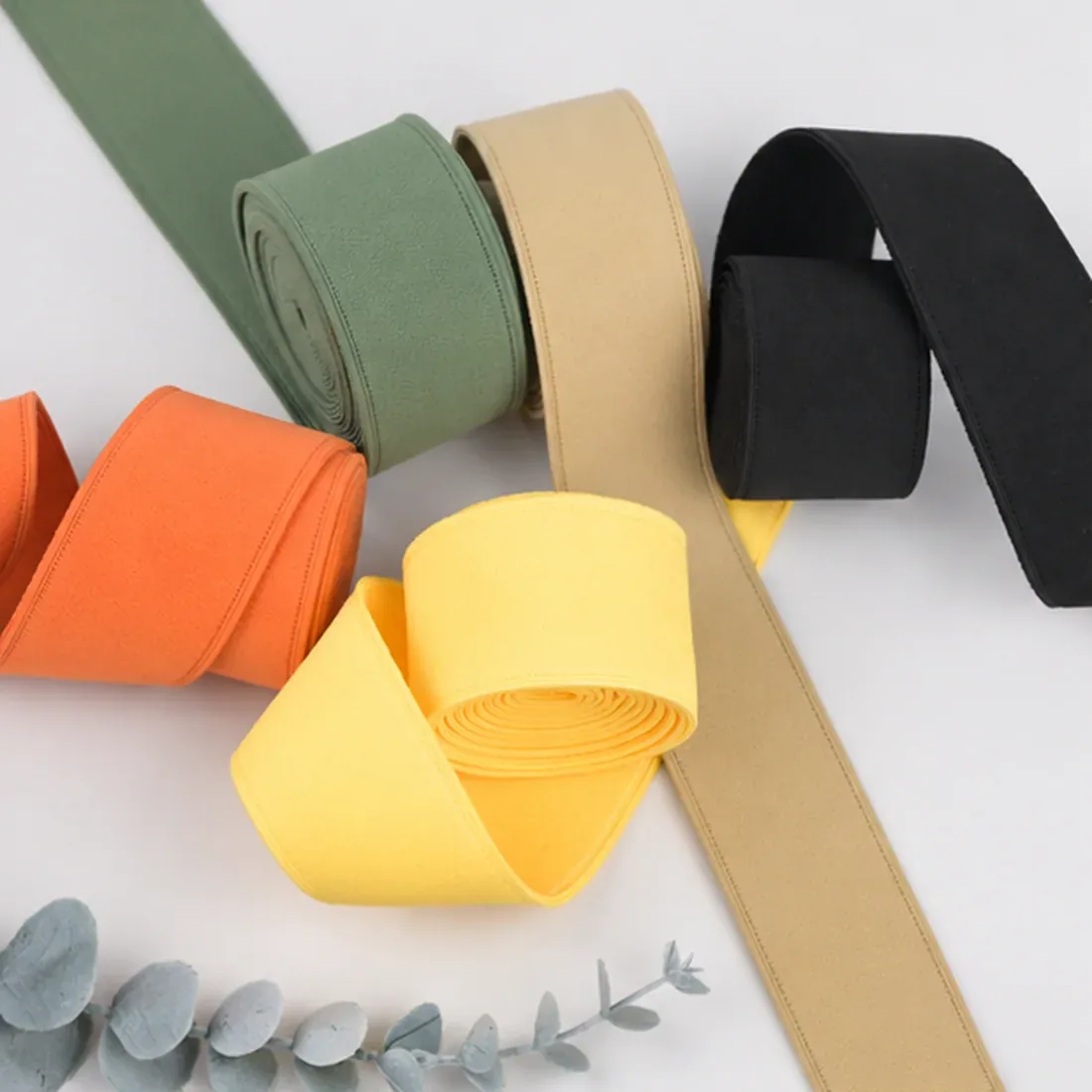
How to Choose Elastic for Underwear and Sportswear: Stretch, Recovery, Comfort & Testing
The right garment elastic is not simply the softest or stretchiest option. It must create the intended fit, recover after repeated extension, remain comfortable at the edge, work with the sewing method and retain acceptable appearance through the product’s care cycle.
Read the Guide →All Articles
Sourcing & Supplier Evaluation

How to Compare Custom Webbing Quotes: Scope, Cost and Risk Checklist
The lowest unit price may cover a different construction, quantity basis, approval route or delivery scope. Normalize the quotation before deciding which offer is commercially stronger.
Read the Guide →Webbing Roll Packaging: How to Specify Length, Splices, Labels and Cartons
A usable webbing packaging specification connects each physical roll to its item, lot, measured quantity and order, while protecting the tape through storage, transport and feeding at the buyer’s assembly line.
Read the Guide →
Why Custom Webbing MOQ and Lead Time Vary—and What Buyers Can Prepare
MOQ and lead time are outputs of a defined custom-webbing project. Buyers can improve quotations by making variant counts, approvals, materials and timing assumptions visible.
Read the Guide →
How to Evaluate a Custom Webbing Manufacturer: A 12-Point B2B Sourcing Checklist
A reliable webbing supplier should be evaluated through evidence: a clear manufacturing scope, application-led technical review, controlled sampling, traceable specifications, realistic commercial terms and responsive communication.
Read the Guide →All Articles
Custom Development & Production
Solution-Dyed vs Yarn-Dyed vs Piece-Dyed Webbing: A Buyer’s Decision Guide
The colouration stage affects available shades, pattern construction, lot planning and the evidence a buyer should request. It does not create an automatic quality ranking.
Read the Guide →
Apparel Webbing Trims: How to Specify Belts, Tabs, Loops and Adjusters
A garment webbing trim works as part of a sewn and worn system. Buyers should define its location, function, dimensions, hand, hardware path, seam, care route and approval evidence together.
Read the Guide →Bag Binding Tape: How to Specify Seam Coverage, Curves, Sewing and Wear
Bag binding tape is an edge-finishing component, not simply a narrow strap. It must cover the real material stack, turn around the actual seam geometry, sew cleanly and remain acceptable where the finished bag sees flexing and wear.
Read the Guide →Needle Loom vs Shuttle Loom Webbing: What Buyers Should Specify
Needle and shuttle looms form and secure the weft differently, but the loom label alone does not define quality. Translate the construction into visible, measurable and application-based requirements before approving webbing.
Read the Guide →Custom Webbing Repeat Orders: A Practical Guide to Samples, Revisions and Lot Control
“Same as last order” is not a repeatable specification. Link each reorder to a controlled item record, a clearly scoped physical sample, approved changes, identified lots and an agreed release decision.
Read the Guide →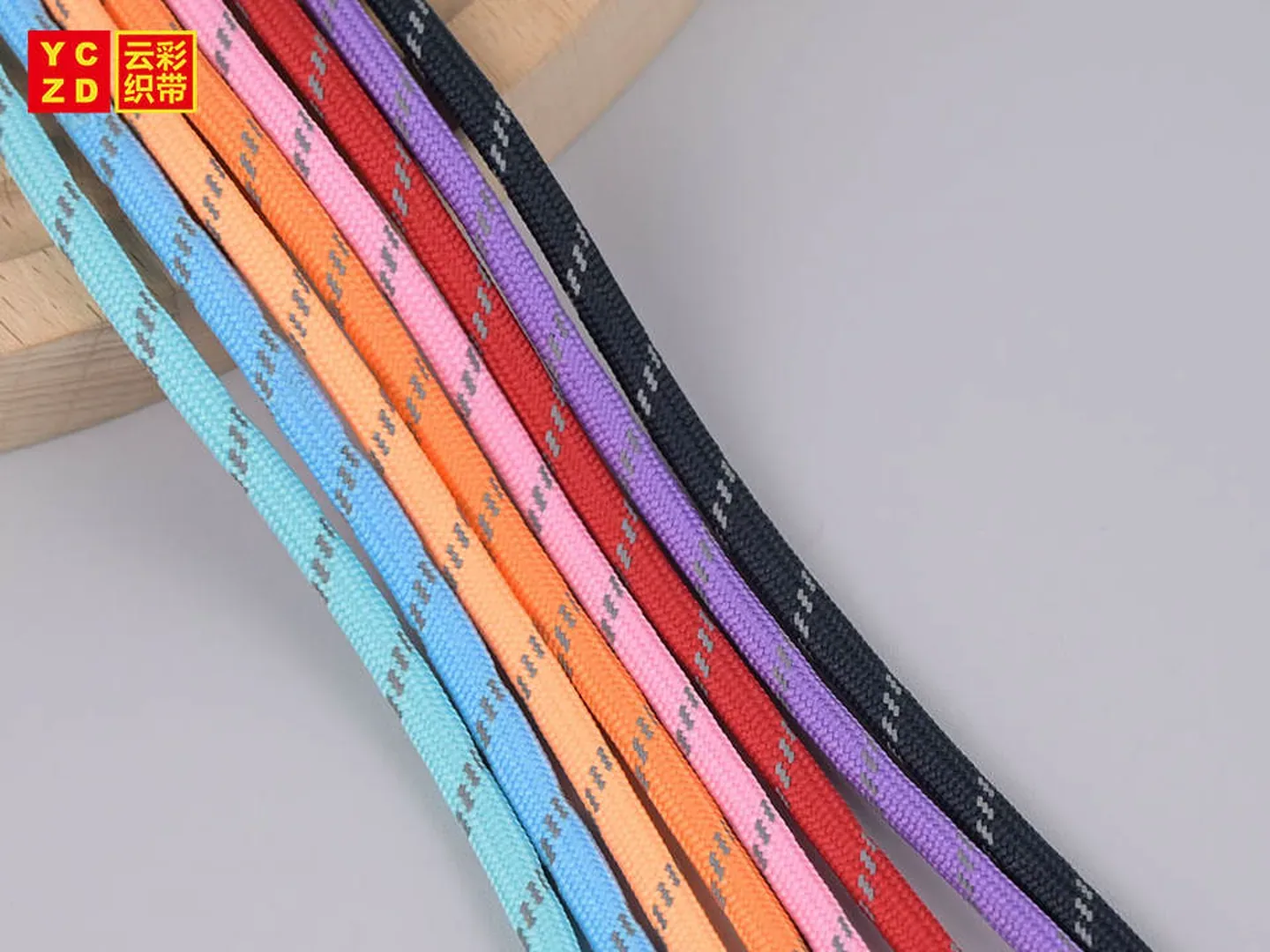
Reflective Drawcords for Apparel and Footwear: Specification and Validation Guide
A reflective-looking cord is not a complete visibility specification. Control the exact construction, installed exposure, observation conditions, care route and finished-product evidence.
Read the Guide →Webbing Cutting Methods: Cold Cutting, Hot Knife or Ultrasonic?
Choose a cutting process from the finished end requirement: compare cold cutting, hot knife and ultrasonic cut-and-seal, then approve the actual webbing in its assembly.
Read the Guide →
Children’s Clothing Drawstring Safety: A Buyer’s Design and Sourcing Checklist
Drawstring safety must be designed at garment level: identify the market, child size or age group, garment zone and cord function before selecting a cord or approving a sample.
Read the Guide →Footwear Cords and Pull Tabs: A Buyer’s Specification and Sampling Guide
A practical sourcing guide for converting a footwear concept into controlled cord, lace and pull-tab requirements that suppliers can sample and buyers can approve.
Read the Guide →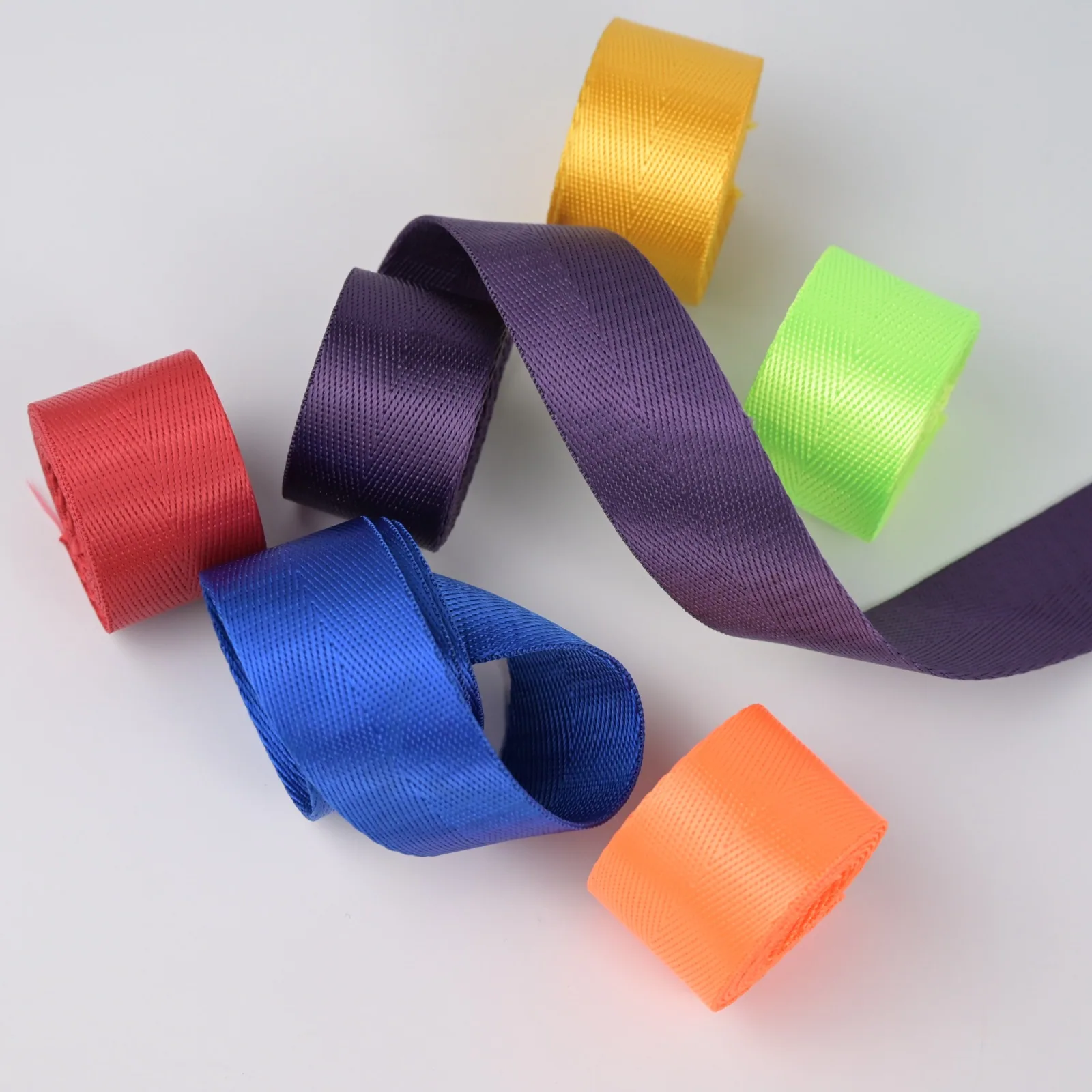
How to Specify Webbing for Bag Straps: Hardware Fit, Seams, Edges and Load Path
A dependable bag strap comes from the complete assembly: webbing, adjuster, stitching, reinforcement, anchor and bag body. The material swatch is only one part of the approval.
Read the Guide →How to Specify Custom Drawcords for Apparel and Footwear
A useful drawcord specification connects the visible design to the way the cord must thread, tighten, wash, wear and assemble in the finished garment or shoe.
Read the Guide →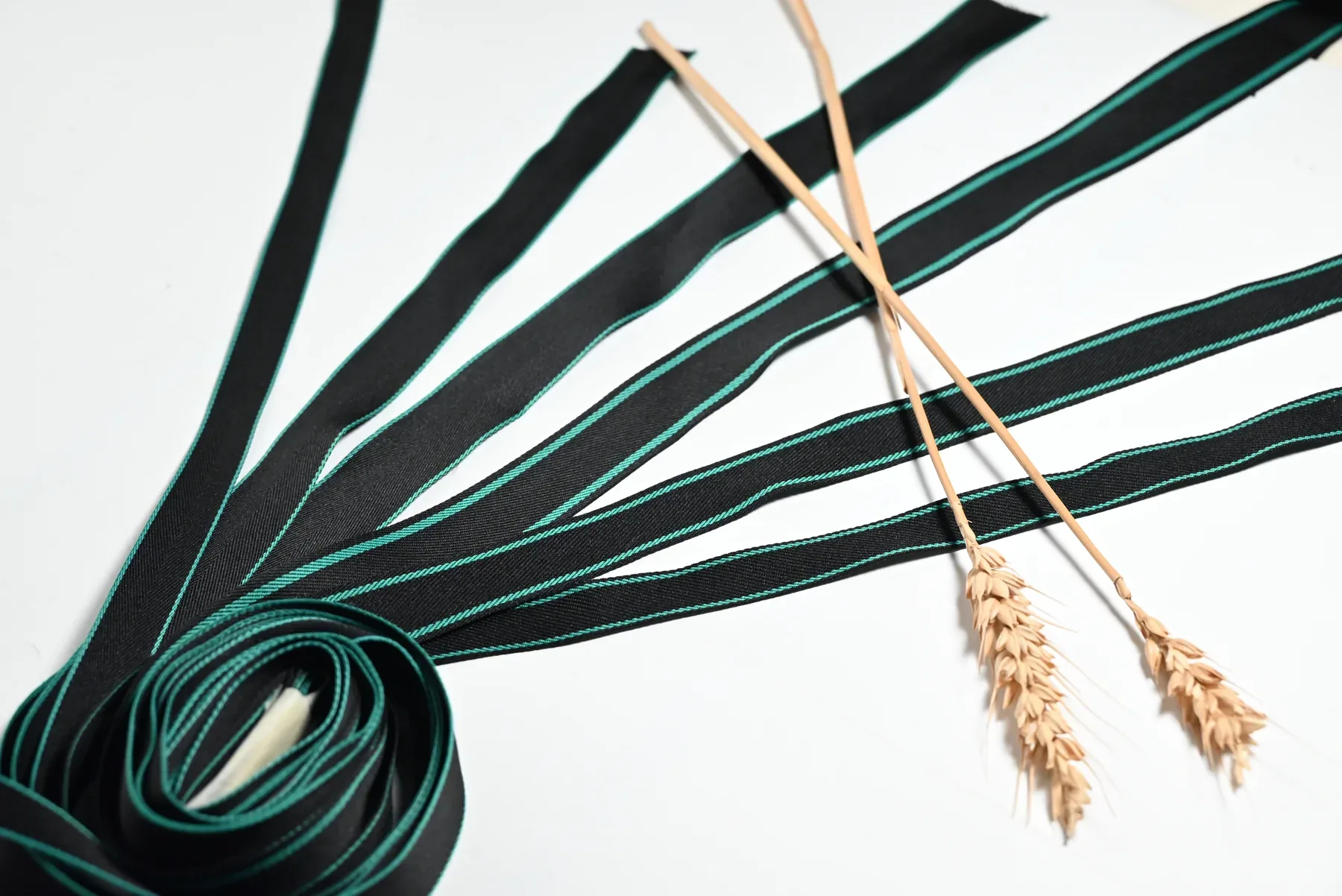
How to Specify Custom Webbing: Width, Material, Weave, Colour, Finish and Sampling
A good custom-webbing brief converts a visual idea into measurable requirements that design, sourcing, production and quality teams can approve together.
Read the Guide →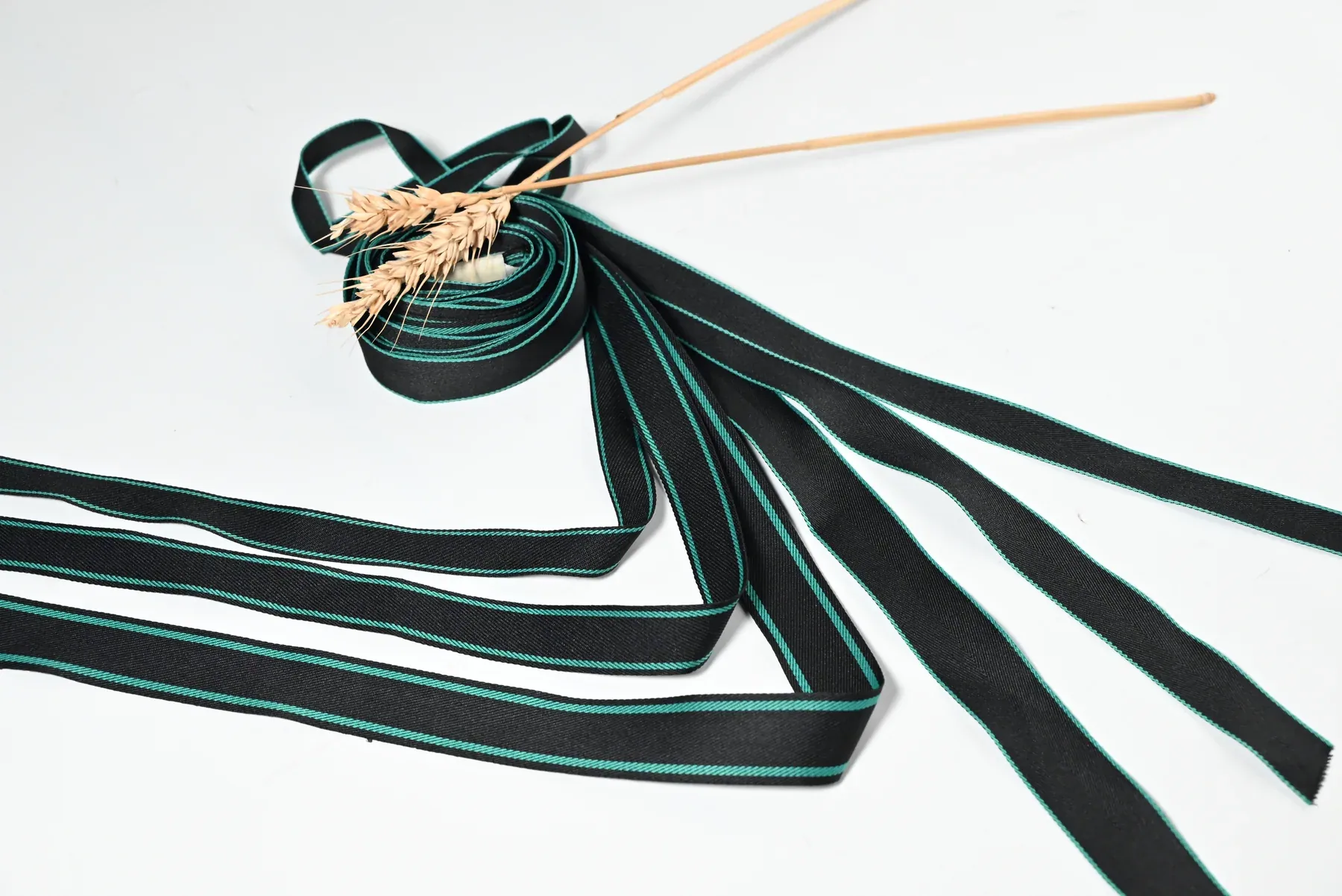
How to Choose the Right Jacquard Webbing for Apparel and Accessories
A practical decision framework for branded jacquard webbing—from application and artwork feasibility to physical sampling, approval and repeat-order control.
Read the Guide →All Articles
Factory & Quality Control
Elastic Band Stretch and Recovery: How Buyers Specify the Test
A useful elastic-band test controls more than maximum stretch. Buyers need an agreed method, specimen state, working extension, force checkpoints, cycles, recovery time and finished-garment validation.
Read the Guide →Webbing Abrasion Resistance: How Buyers Specify, Test and Interpret Wear
Abrasion resistance is not one universal score. Buyers need to match the test contact to the real wear zone, define the endpoint and validate the exact webbing in its finished assembly.
Read the Guide →
Webbing Breaking Strength and Elongation: How Buyers Specify the Test
A useful webbing tensile requirement identifies the exact material, method, specimen condition and valid result, then checks whether the sewn or hardware-connected assembly still meets the product decision.
Read the Guide →Webbing Shrinkage and Dimensional Stability: How to Specify, Test and Approve
A shrinkage percentage is useful only when the tape, measurement state, wash and dry procedure, cycle count and approval level are identified. Control the loose webbing and the finished assembly as linked but separate decisions.
Read the Guide →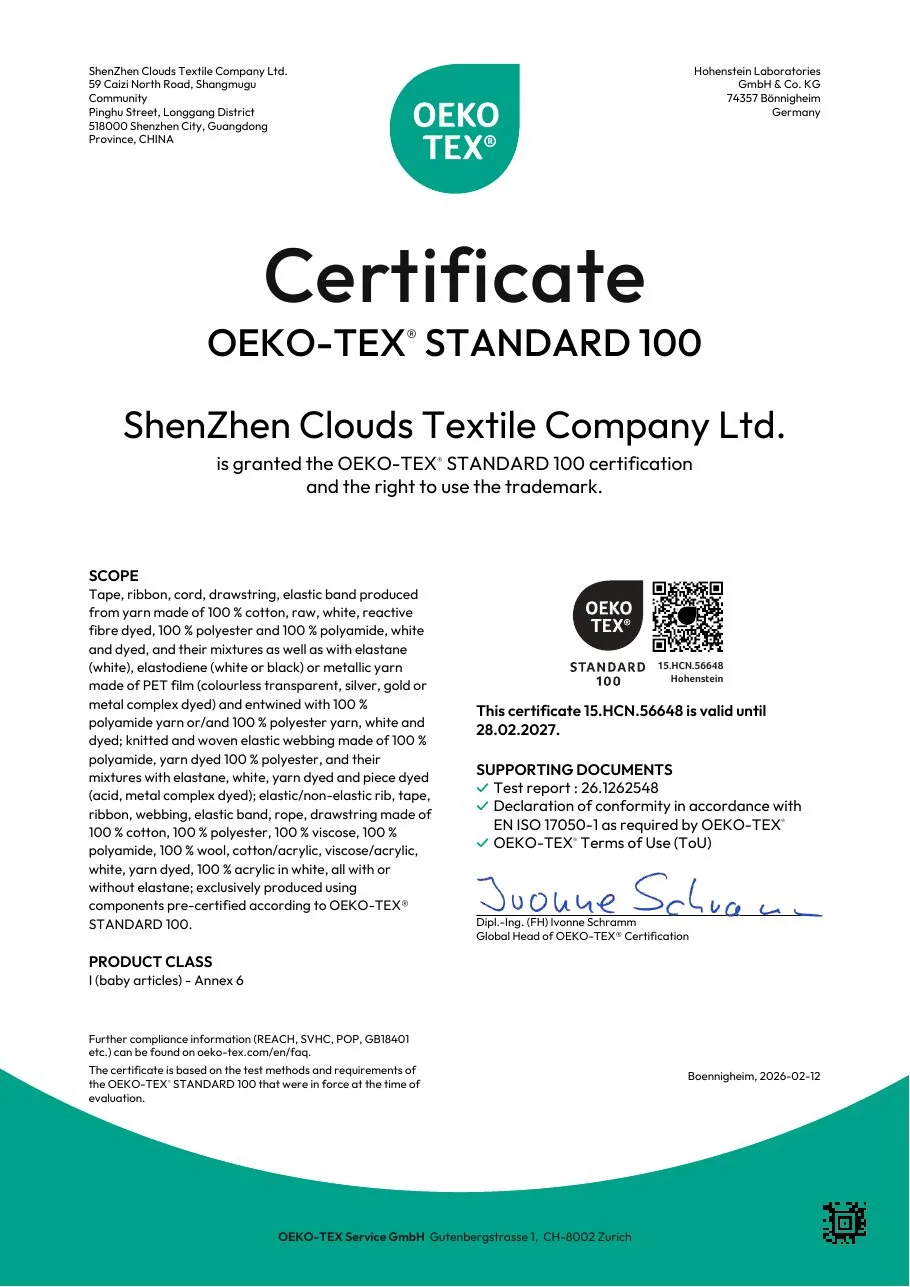
OEKO-TEX STANDARD 100 for Webbing: How Buyers Verify Scope, Product Class and Validity
An OEKO-TEX STANDARD 100 certificate supports a sourcing decision only when its live status, holder, product class, Annex and written scope match the exact webbing, elastic or cord being ordered.
Read the Guide →How to Read a Textile Test Report for Webbing, Elastic and Cords
A test report supports an order decision only when the tested sample, method, conditions, results and acceptance rule all match the buyer’s actual product question.
Read the Guide →Custom Webbing Colour Matching: From Colour Reference to Bulk Shade Control
Colour approval becomes more reliable when buyers separate initial shade matching, colourfastness and bulk consistency—and define evidence for each step.
Read the Guide →A Practical Webbing Quality Control Plan: From Approved Sample to Shipment
A workable quality plan connects the approved sample to materials, production settings, inspection evidence, defect decisions and traceable shipment release.
Read the Guide →Ask a Product Question
Discuss Your Webbing Project
Share the basics and we will reply with practical next steps.