
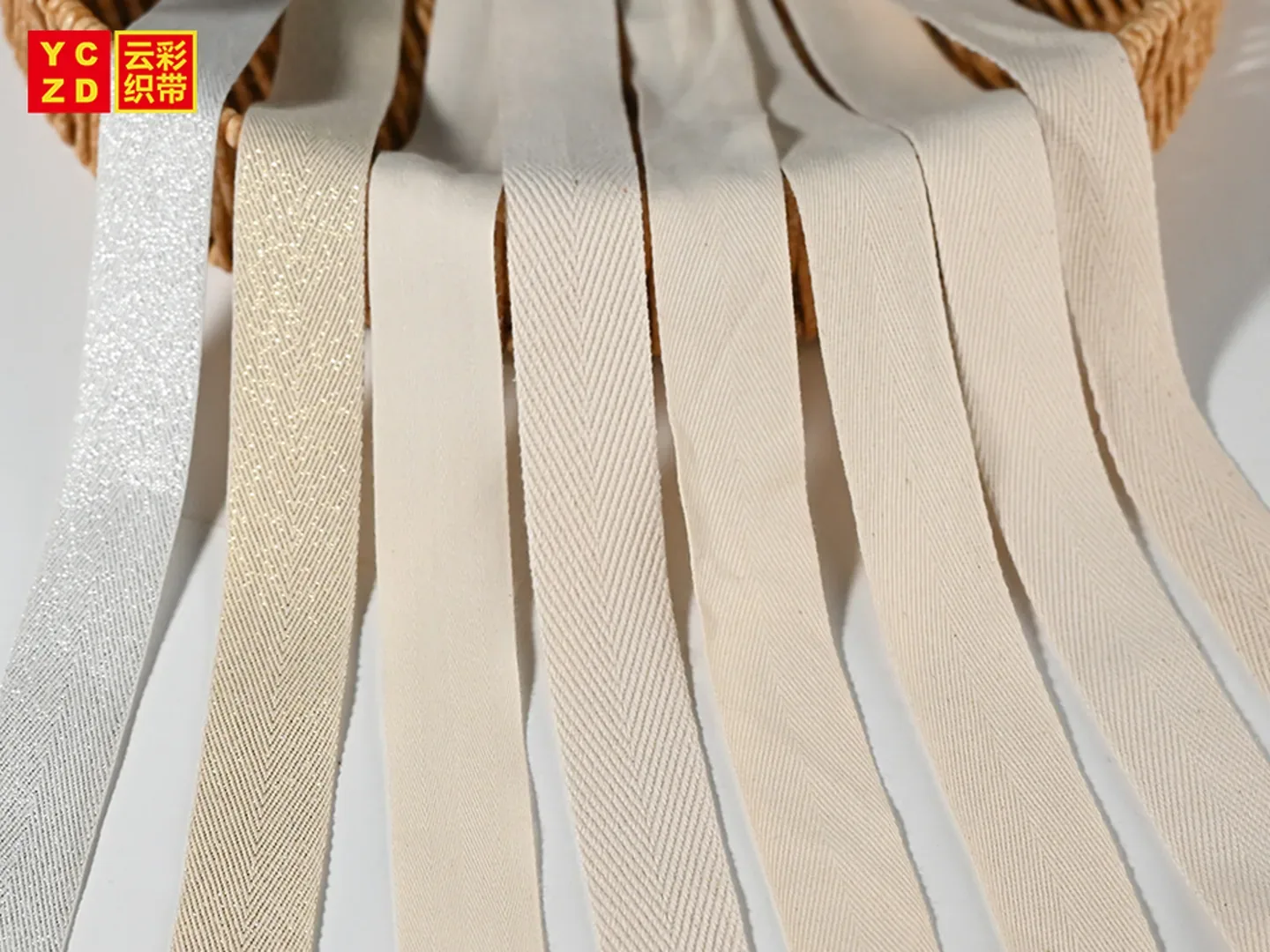
01Separate Binding Tape From Straps, Handles and Decorative Webbing
Start by naming the component according to its job. A shoulder strap carries force through hardware and anchors. A decorative tape presents colour or branding. Bag binding tape wraps or covers a cut edge or seam allowance so the edge is neat, protected and controlled during use. One tape may appear suitable for several jobs, but each application creates a different fold, stitch line, exposure and approval method.
Mark the binding locations on a drawing or sample bag. Common positions include internal seam allowances, pocket openings, zipper edges, gusset seams, panel joins and exposed outer edges. State which faces remain visible, which contact contents or clothing, and which are hidden. A clean external edge may prioritise colour, uniform folding and stitch appearance, while an internal backpack seam may prioritise coverage, bulk control and resistance to repeated handling.
Do not label a tape “heavy duty” or “premium” as a substitute for requirements. Explain the bag type, edge location, assembly sequence, expected flexing, contact and cleaning route. If an edge contributes to product integrity or user safety, the complete product needs qualified engineering and an applicable product-level validation plan. Binding alone cannot establish the strength or durability of the bag.
| Component job | Primary design question | Approval evidence |
|---|---|---|
| Seam binding | Does the tape wrap, cover and sew the real edge cleanly? | Production-intent bound-seam sample |
| Shoulder strap or handle | Does the complete load path work with hardware and anchors? | Assembled strap and finished-product validation |
| Decorative tape | Does colour, texture, repeat and placement match the design? | Controlled visual and sewn reference |
| Reinforcement tape | Does it distribute force in the intended material stack? | Engineered attachment and applicable testing |
A shared appearance does not make these functions interchangeable.
02Map Edge Geometry, Fold Path and Material Stack
A binding decision begins with the edge cross-section. List every layer the tape must cover: shell fabric, coating or laminate, foam, lining, reinforcement, zipper tape and existing seam allowances. Record the relaxed stack and the compressed stack under the planned presser foot or folder. A tape that covers two light fabric plies may become too narrow when a foam-backed panel, zipper junction or folded reinforcement enters the seam.
Separate straight runs from outside curves, inside curves, tight corners and thickness transitions. The outside of a curve travels farther than the inside, so the two tape edges cannot move identically. A firm tape may bridge or pucker; a soft tape may stretch, narrow or wander. Corners can create overlapping folds and local bulk. Mark the tightest radius and every junction on the sample request instead of approving only an easy straight section.
Define how the binding starts, joins and ends. Show whether ends are overlapped, tucked, folded, enclosed in another seam or left visible. Confirm whether a single-fold or double-fold preparation is intended and whether the binding is applied in one operation or staged. Coats describes a bound seam as a binding strip folded over the edge of material plies and stitched to join the binding edges to the material; the actual class and stitch still need to be selected for the bag assembly.
- Mark every straight run, curve, corner, opening, junction and end treatment.
- Provide the complete production material stack, not a single substitute fabric.
- State visible face, inside face and any contact with clothing or contents.
- Record the intended fold path, application sequence and seam allowance.
03Choose Tape Construction and Hand for Turning and Coverage
Woven webbing, herringbone tape, plain tape, knitted tape and other narrow constructions can differ in firmness, extensibility, edge definition, thickness and surface friction. Herringbone structure is often considered where a tape needs to turn or fold, but the weave name does not guarantee suitable binding behaviour. Yarn, density, width, finish and edge construction can change how two tapes with the same commercial label handle on the same seam.
Compare the tape flat, folded and sewn. Bend it around the target radius and watch both edges. Check whether the outside edge extends smoothly, the inside edge forms ridges, the centre fold remains stable and the edges cover the seam consistently. A tape that feels supple by hand may distort during feeding. A firmer tape may give a crisp visible edge but resist tight curves or create a hard ridge against the user.
Material selection should follow the bag environment and assembly. Moisture, abrasion, heat during pressing, coating compatibility, surface friction, colour depth and cleaning may matter. Fibre names describe only part of the system and should not be converted into guaranteed performance. Ask the supplier to state the proposed composition and construction, then approve the actual finished tape and bound assembly against the agreed risks.
| Tape characteristic | Possible assembly effect | Check on the sample |
|---|---|---|
| Firmness and body | Crisp coverage or resistance around curves | Flatness, corner bulk and edge pressure |
| Extensibility | Easier turning or unwanted narrowing and growth | Width and recovery before and after sewing |
| Thickness | Coverage, folder clearance and seam bulk | Actual stack through straight and thick transitions |
| Surface and edge | Feeding friction, visible texture and wear points | Both faces, both edges and machine handling |
Use construction names to begin comparison, then approve observed behaviour in the real assembly.
04Define Finished Width, Fold Balance and Coverage
Specify width as a finished, relaxed dimension and identify the measurement method. ASTM D3774 covers measurement of woven or knitted fabric width and distinguishes full-roll or bolt measurements from short specimens. Confirm that the chosen procedure is appropriate for the proposed narrow tape and agree whether edges are included. Also define conditioning, measurement points and tolerance rather than relying on a catalogue nominal.
Translate tape width into coverage on both sides of the seam. The centre fold is not always centred after the tape passes through a folder and over an uneven stack. State the minimum acceptable bite from the stitch line to each tape edge, the required concealment of raw edges and the visible-width target. Check the reverse side; a perfect face can hide a missed edge or an unstable seam allowance.
Thickness, compressibility and edge shape belong beside width. Measure them under an agreed condition where they affect folder clearance, needle penetration or bulk. Review roll-to-roll and within-roll variation at several points. If the tape is pre-folded, compare the fold memory and balance; if it is supplied flat, confirm the production folder creates the approved geometry without stretching one edge more than the other.
- Finished relaxed width, tolerance, method and measurement locations.
- Minimum coverage on face and reverse after sewing.
- Fold balance, visible width and raw-edge concealment.
- Thickness, compressibility, edge profile and roll presentation.
05Run a Production-Intent Sewing and Folder Trial
ASTM D6193 treats seam engineering as a balance of fabric, seam type, stitch type, stitch density, thread tension and thread properties. Use that system view for binding. Build trials with the intended shell, lining, foam, reinforcement, zipper tape, binding, sewing thread, needle, stitch, folder and machine. A sample made slowly by hand on one fabric layer does not approve the planned production operation.
Inspect the face and reverse throughout the run. Look for missed coverage, stitch run-off, skipped stitches, needle damage, puckering, tunnelling, twisted binding, uneven visible width, exposed raw edges and hard local ridges. At curves and thickness transitions, check whether the operator must pull or stretch the tape to maintain coverage. Record machine settings, folder identity and sample revision when they materially influence the result.
Test realistic speed and handling after the initial setup is stable. Include starts, stops, corners, joins and the thickest intersection. Open and flex the seam to see whether stitches remain secure and whether the binding returns to position. If appearance depends on thread colour or stitch placement, approve those details separately from functional coverage. Keep a labelled sewn standard that production and inspection can compare without guessing from a flat swatch.
| Trial checkpoint | Observe | Record |
|---|---|---|
| Straight seam | Coverage, stitch placement and flatness | Folder, stitch, tension and visible width |
| Curve or corner | Ridges, bridging, narrowing and local bulk | Radius, handling method and approved appearance |
| Thickness transition | Needle penetration, feed and missed reverse edge | Complete stack and machine adjustment |
| Start, join and end | Security, overlap, exposed cut edge and comfort | End construction and acceptance reference |
The approved sample should reproduce the difficult sections, not only the easiest seam.
06Validate Wear, Colour Transfer and the Intended Care Route
Binding often sits at a high-contact edge, so identify how the finished bag will rub against clothing, hands, contents, flooring, hardware or adjacent panels. ISO 12947-2 describes a Martindale procedure for determining fabric breakdown by inspection at intervals, but the standard excludes coated fabrics and may not reproduce an assembled bag edge. Use it only when its scope and specimen configuration answer the question. Add application-specific flexing or finished-bag trials where edge geometry is the real risk.
Colour transfer matters when a dark binding contacts a pale lining, garment or stored item. ISO 105-X12 provides dry and wet rubbing methods for textile colour transfer. Agree the direction, face, condition and acceptance grade for the actual product. A test result for an unsewn tape does not automatically describe a compressed, folded or abraded edge, so examine the assembled seam after relevant contact and moisture exposure.
For straight sewn seams in appropriate woven materials, ISO 13935-2:2026 describes a grab method for maximum force to seam rupture. Its published scope excludes curved seams and normally excludes coated fabrics, among other limitations. Do not use a straight coupon result to claim that a curved or coated bag edge is proven. Choose methods after confirming material, seam geometry, loading direction and product requirement with a competent test party.
07Use a Binding-Tape RFQ, Sample Gate and Change-Control Record
A useful RFQ contains the bag drawing, marked binding positions, edge cross-sections, material stack, curve radii, finished tape width, construction direction, hand, colour reference, visible face, fold, stitch, thread, end treatment, quantity, packing and validation plan. Where a decision is open, write “supplier recommendation requested” and ask the quotation to repeat the proposed assumptions. This makes offers comparable and prevents a lower price from hiding a different tape or assembly.
Approve in stages. A flat tape sample can confirm colour, surface, hand and basic dimensions. A sewn development sample checks folder fit, coverage and appearance. A production-intent sample confirms the real materials, equipment and difficult seam locations. Product-level testing then addresses the risks of the complete bag. Give every approved state an identifier and record what it proves; do not let approval of one stage silently release the next.
For bulk and repeat orders, define inspection points for width, shade, surface, edge, roll joins and roll presentation, then sample bound seams from normal production. Require review before changes to yarn, construction, dyeing, finish, width, folder, thread, needle, stitch, machine route or material stack where they can affect the approved result. Change control allows proportionate revalidation instead of assuming an unchanged item name means an unchanged seam.
- Bag type, edge location, cross-section, curve and complete material stack.
- Tape construction, composition, finished width, thickness, hand, face and edge.
- Fold path, folder, stitch, thread, needle, visible width and reverse-side coverage.
- Colour reference, contact surfaces, cleaning route and relevant test methods.
- Approved flat sample, sewn standard, production sample and change-notification rules.
08Frequently Asked Questions
Is bag binding tape the same as bag strap webbing?
No. Binding tape wraps or covers an edge or seam allowance, while strap webbing forms part of a handle, shoulder strap or another load path. They can share a fibre or appearance, but fold, thickness, sewing, exposure and validation requirements differ.
Is herringbone tape always best for binding bag seams?
No. Herringbone construction is often considered for folding and turning, but suitability depends on yarn, density, finish, width, edge, material stack, curve and sewing process. Compare the actual proposed tape in the production-intent seam.
How wide should binding tape be for a backpack seam?
There is no universal width. Calculate it from the complete edge stack, fold geometry, folder, stitch position, required face and reverse coverage, tolerance and visible-width target. Approve the result on straight seams, curves and thick junctions.
Can a flat tape swatch approve bag binding?
A flat swatch can support colour, surface, hand and dimension review, but it cannot prove coverage, turning, needle response, puckering or wear in the finished seam. Retain an identified sewn assembly as the production reference.
Which tests should be used for bag seam binding?
Choose tests from the actual risks and method scope. Possible areas include width, dry and wet colour transfer, abrasion, seam behaviour, flexing, cleaning and finished-bag durability. Curved, coated or multi-layer edges may require assembly-specific methods beyond standard straight fabric coupons.
09Continue From Guide to Specification
Compare the relevant product family and application page before sending your RFQ.
10Sources & further reading
Sources support the principles discussed; the final specification and test plan must follow the application and buyer requirements.
- ASTM D6193-16(2025) — Standard Practice for Stitches and SeamsASTM International
- Seam Types — Class 3 Bound SeamsCoats Group
- ASTM D3774-18(2024) — Standard Test Method for Width of Textile FabricASTM International
- ISO 12947-2:2016 — Abrasion Resistance by the Martindale Method: Specimen BreakdownInternational Organization for Standardization
- ISO 105-X12:2016 — Colour Fastness to RubbingInternational Organization for Standardization
- ISO 13935-2:2026 — Maximum Force to Seam Rupture Using the Grab MethodInternational Organization for Standardization