
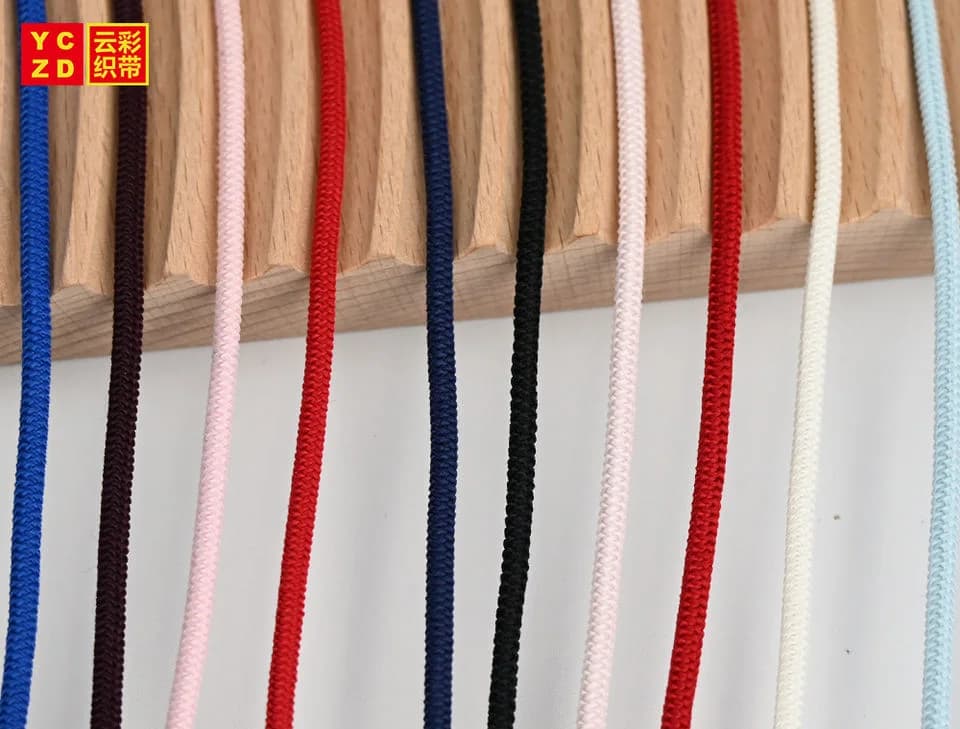
Drawcords & Elastic Cords
Webbing, Elastic Bands & Drawcords
Compare seven product categories and prepare the construction, material and end-use details needed for sampling.
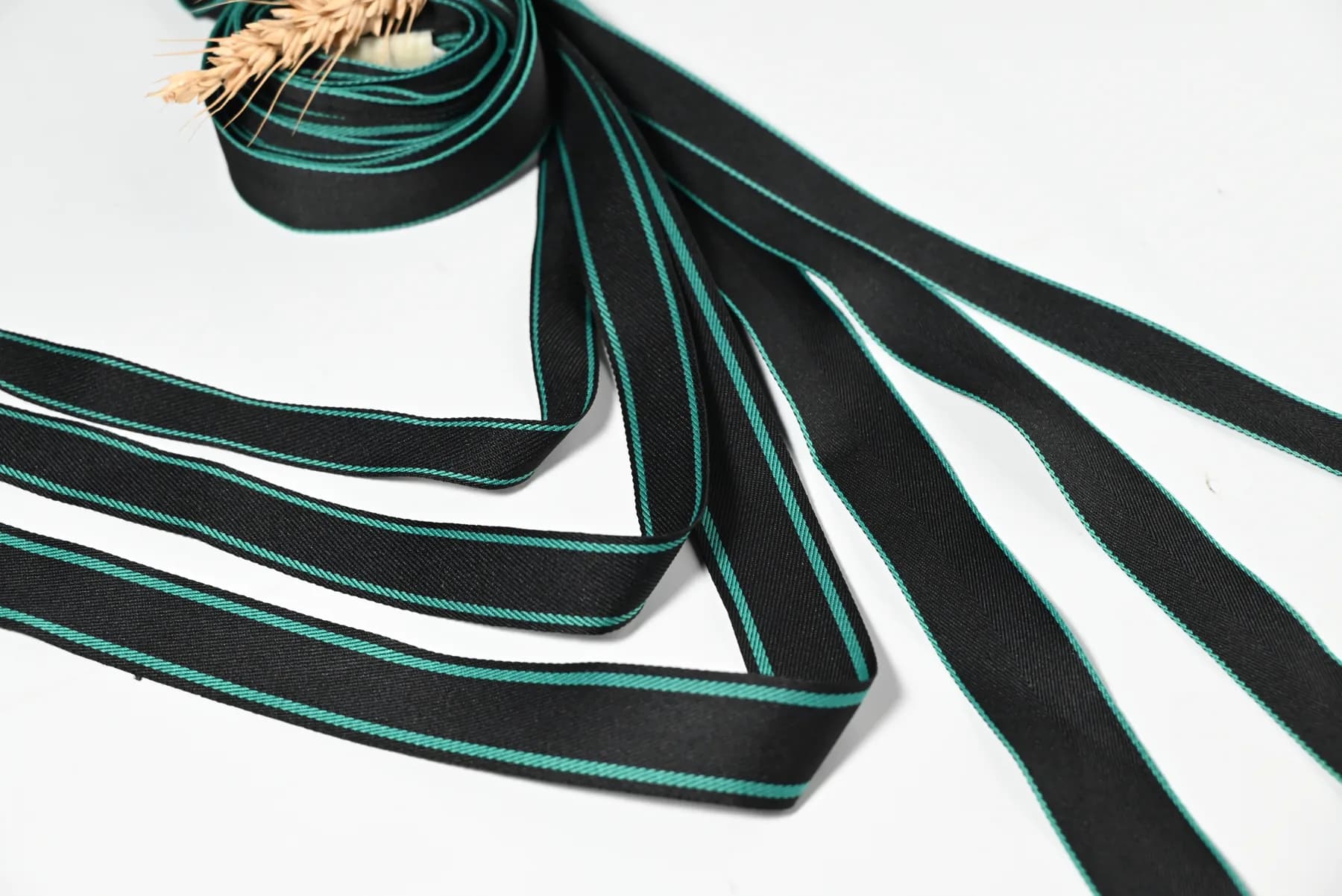
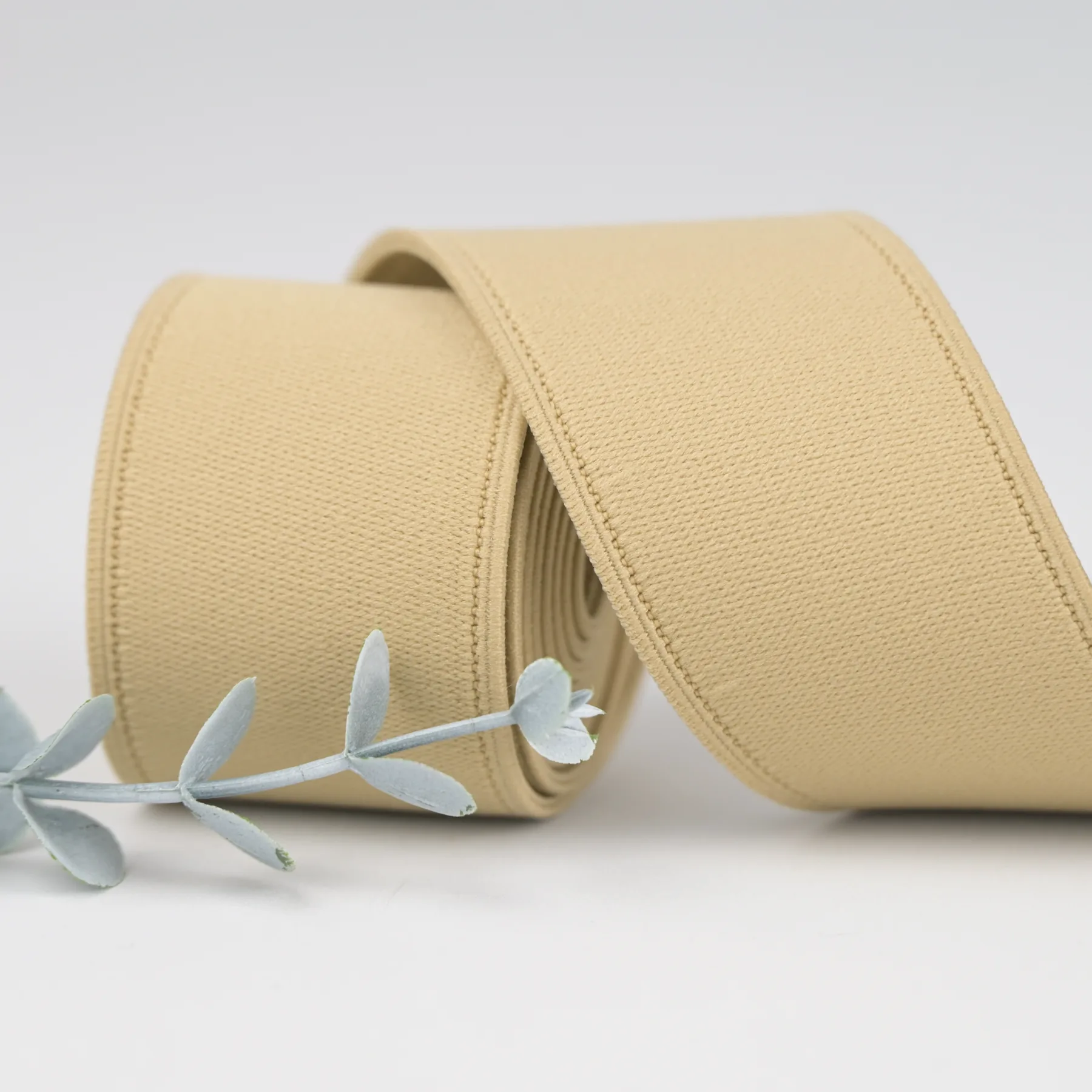
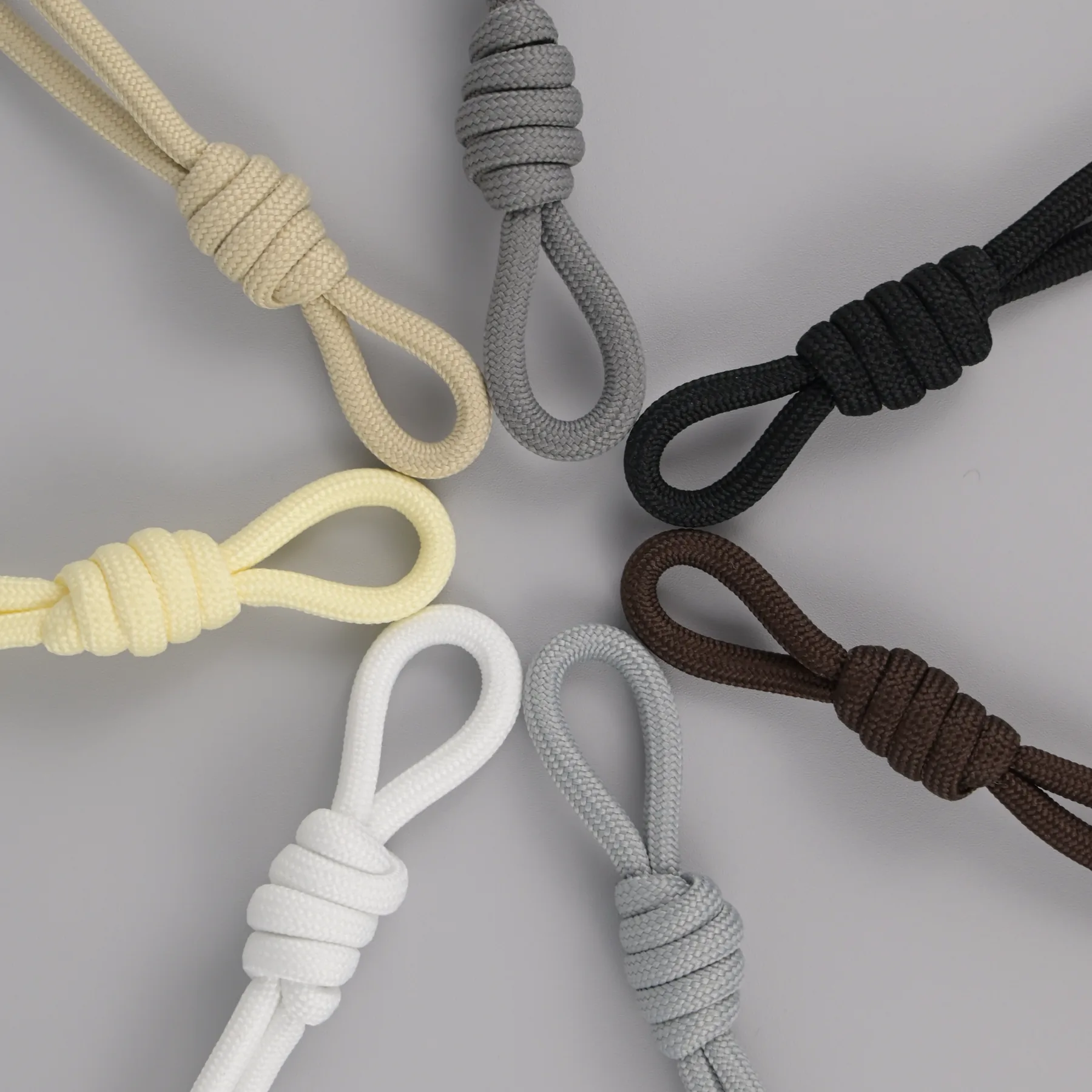
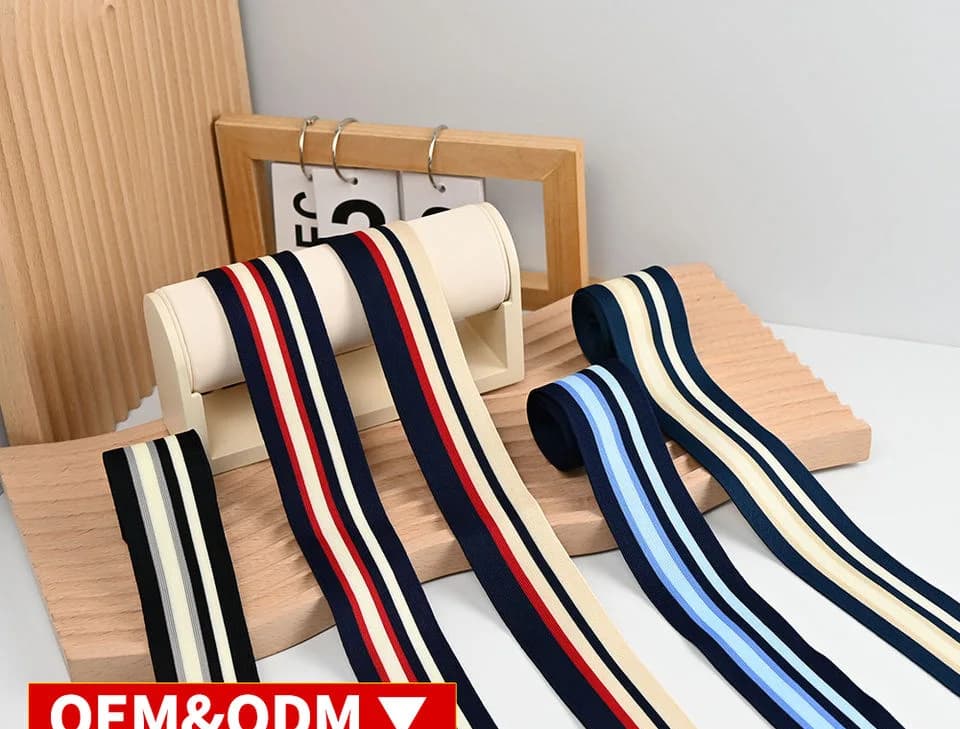
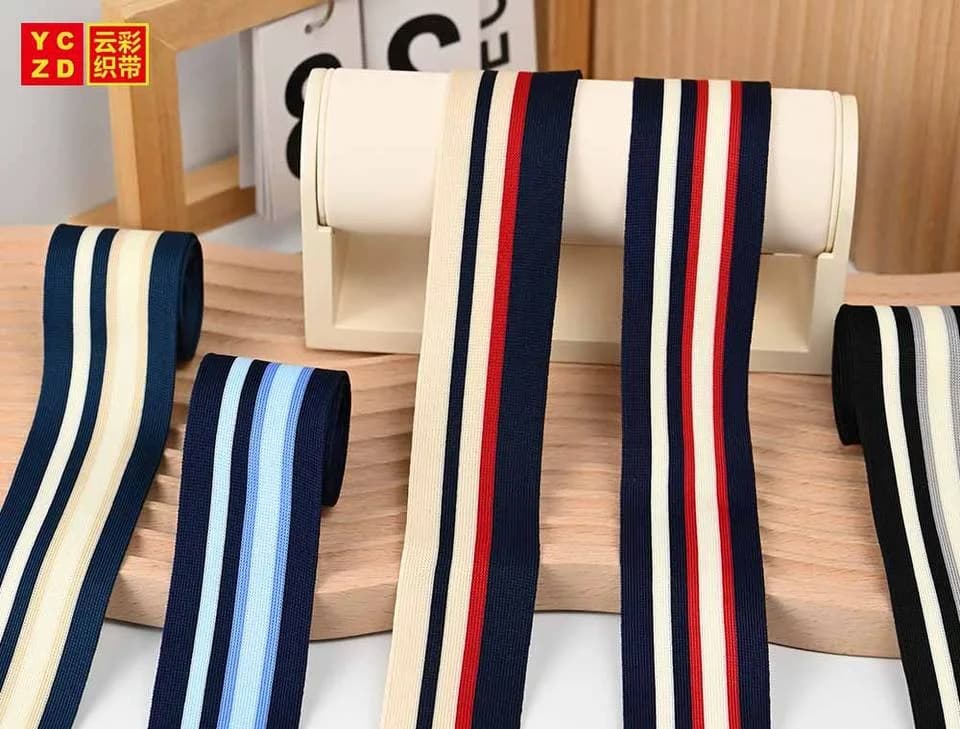
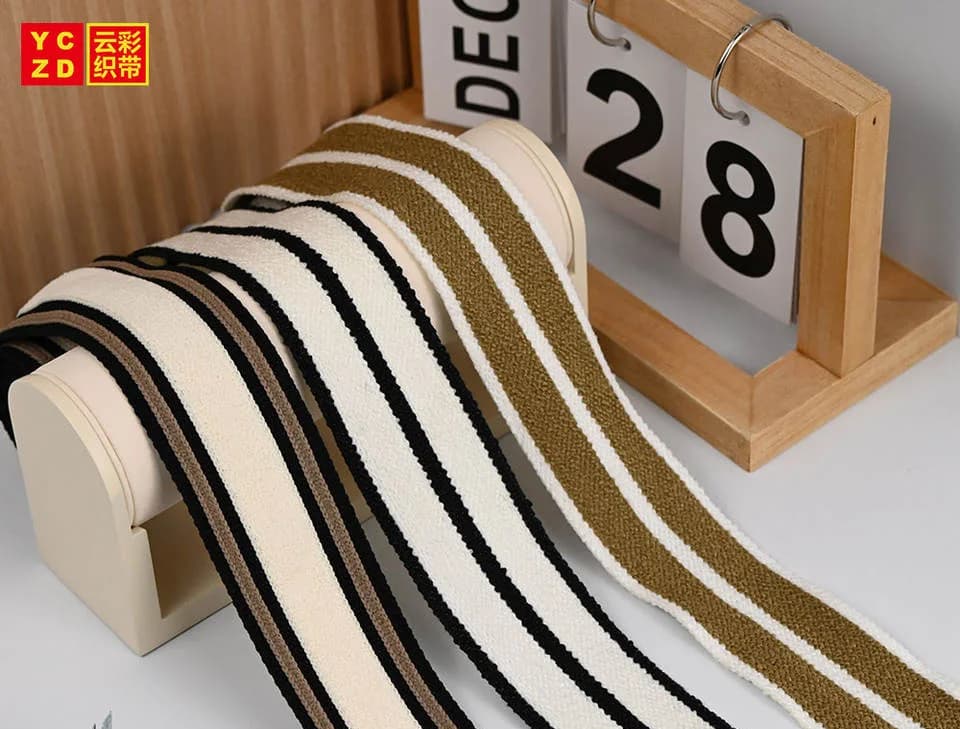
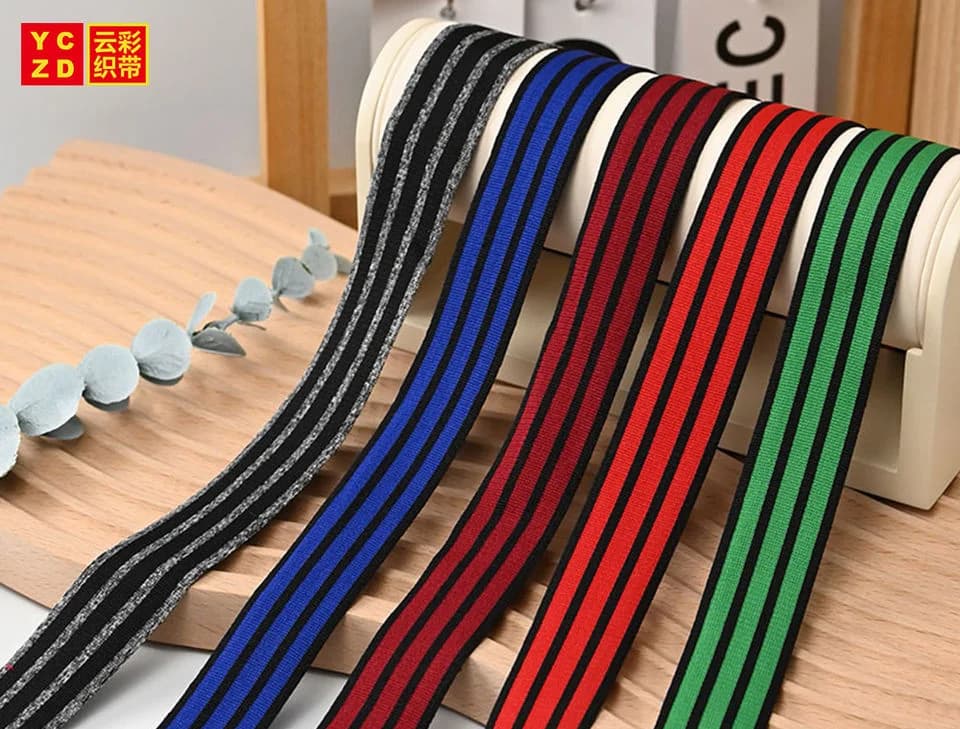
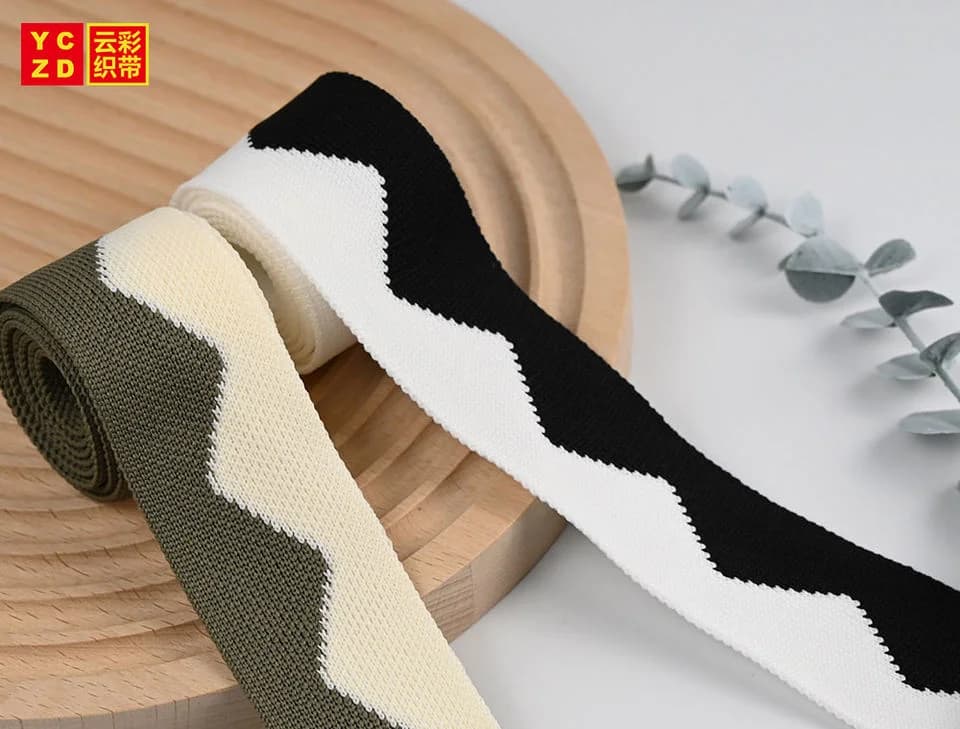
Categories include product types, fibres and constructions. Check the material and structure of each reference: Nylon Webbing currently shows nylon–spandex elastic bands, not rigid nylon straps.
Looking for a finished-product use?Explore applications · Buyer FAQs
Search within the selected category. Select up to three references to compare.
Product references
Items: 35Showing 13–24 of 35 references
Buyer questions, answered
Practical answers to help you choose a reference, prepare a sample brief and plan your order.
Choose around the finished product: hand feel, stretch, exposure to water or sunlight, sewing and hardware fit all matter. Cotton is a starting point for a natural-feel strap or trim; nylon and polyester offer different synthetic constructions. A fibre name alone does not establish strength or suitability. YCZD lists the composition of each reference, including nylon-spandex blends. Compare samples at your required dimensions and agree the checks for the intended use.
Start with where the band sits on the garment and how much it must extend during wear. Compare the sample for softness against skin, edge pressure, relaxed width, stretch and recovery, then check it after sewing and the intended wash cycle. Woven or knitted construction and yarn composition are separate choices. Send YCZD a garment reference and your required test conditions so the elastic can be reviewed for that use, not selected by appearance alone.
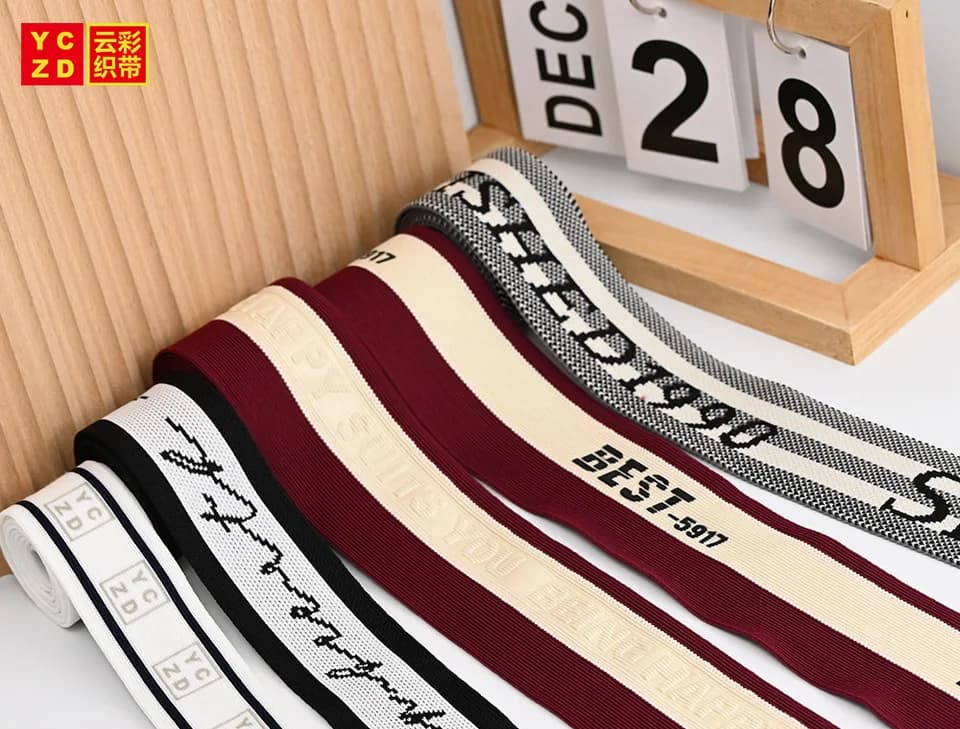
Yes. YCZD reviews custom logo, pattern and colour briefs for webbing and elastic development. Send your artwork, band width, repeat length, colour reference and whether the logo needs to remain readable while stretched. Jacquard builds the pattern into the textile construction; printing applies a design to a surface. Confirm the proposed method and construction with the team, then approve a physical sample for colour, detail and placement before bulk production.
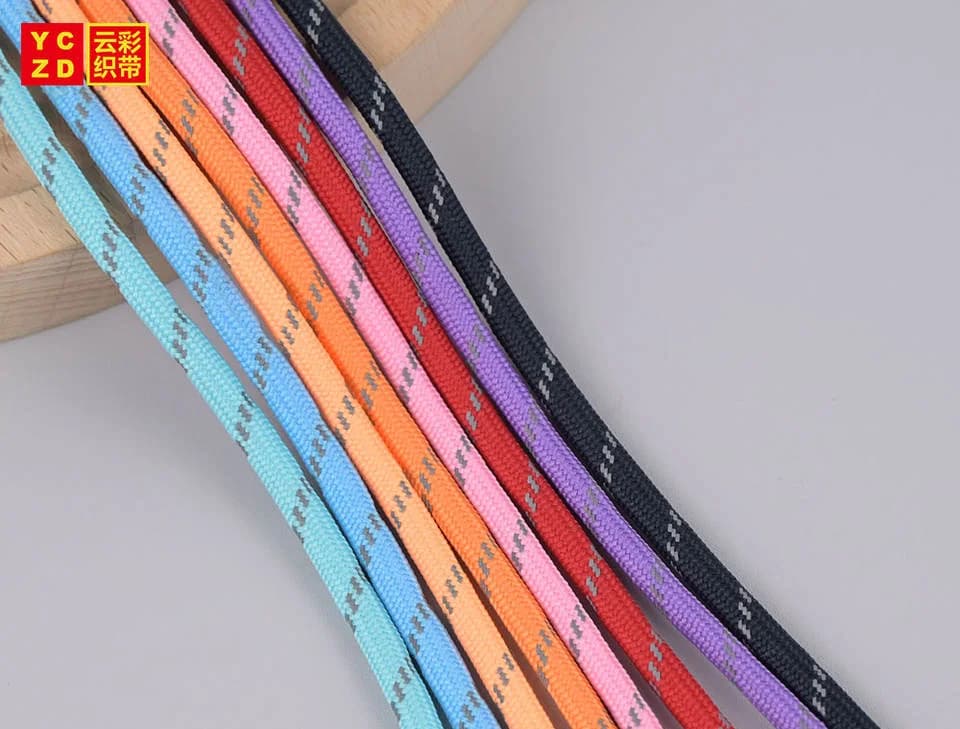
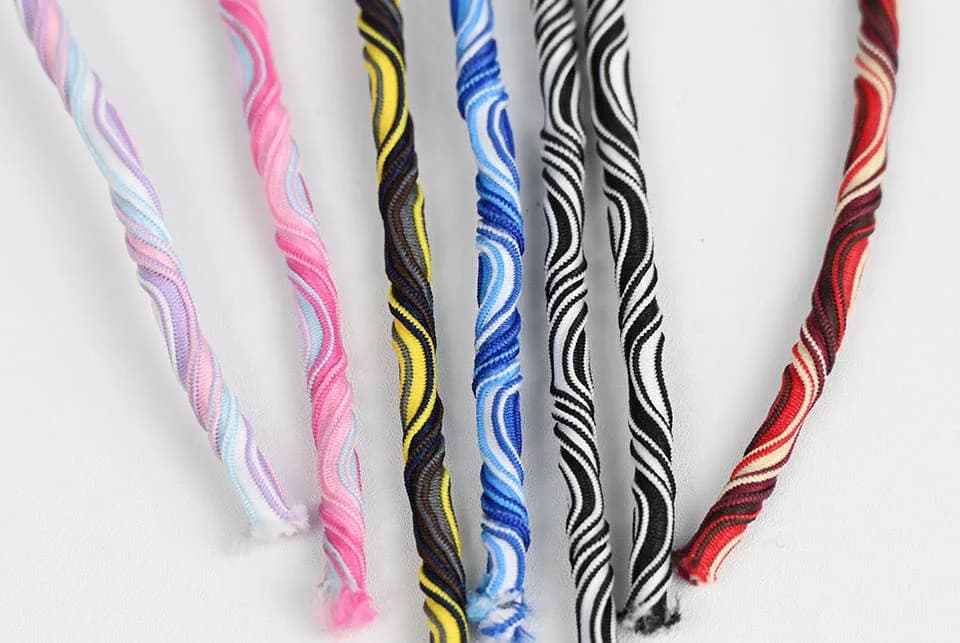
Specify round or flat construction, diameter or width, finished cut length, colour and whether stretch is needed. Include the channel or eyelet dimensions and a photo or drawing of the required ends or aglets. Drawcord describes an adjusting function; it does not automatically mean elastic cord. Review the cord and end attachment together on the finished product, and tell YCZD the intended wearer and market so any application-specific requirements can be identified before sampling.
Provide the main-fabric swatch or colour reference, garment size range and a drawing of the relaxed collar or cuff. State the finished dimensions, shape, seam allowance and required stretch and recovery. Clarify whether you need individual components or continuous trim. Check a sewn sample beside the garment before and after the intended care cycle. YCZD reviews the fibre blend, colour and dimensions for the agreed component rather than assuming every rib trim behaves alike.
YCZD confirms MOQ for the selected specification; there is no single published minimum covering every reference. Material, width, construction, colour and artwork can change the production setup. Send the quantity for each colour or design and separate your sample requirement from the bulk order. Ask whether an existing reference or a simpler specification is suitable for your trial order. The team will confirm the applicable minimum before you proceed.
You can request a reference sample or discuss a development sample with YCZD before approving bulk production. Send a product link, artwork or an existing sample, plus the changes you need. The team confirms sample availability, development work, charges and shipping arrangements for that request. Approve the material, dimensions, colour, artwork and application checks against an identified sample, so the bulk order has a clear reference.
A useful schedule separates sample development, buyer approval, bulk production and transport. Timing depends on material availability, colour or artwork revisions, order quantity and the required checks. Share your required arrival date and delivery country with YCZD, and identify any fixed launch deadline. The team confirms a project-specific schedule after reviewing the brief. A production completion date is not the same as delivery to your address.
Custom webbing is quoted against a specification, not a universal price per metre. Send the product reference, material, width and thickness, colour or artwork, quantity by design, end use, packing and destination. Ask the quotation to separate development or sample charges, the bulk unit price and freight where applicable. Compare suppliers on the same units, specification and delivery basis. Each selected YCZD product page provides an editable enquiry checklist to help prepare these details.
Request evidence that matches your product, intended use and order. Check the certificate holder, scope and validity; for test reports, check the sample identity, test method and result. OEKO-TEX STANDARD 100 concerns harmful-substance testing, not breaking strength. A GRS scope certificate is different from a transaction certificate for supplied goods. Review the original documents in YCZD’s certificate library and tell the team which order-specific records you need before confirming the specification.
Have a specific product in mind?Share your requirements with YCZD →