

01Create One Controlled Baseline Before Production
Quality problems often begin before a machine starts. Purchasing may reference a quotation, design may hold a later artwork file, and the supplier may be working from an unmarked sample. A control plan needs one baseline that identifies the product code, specification revision, approved physical sample, artwork and colour reference, test plan, packaging instruction and any approved deviations. If two documents conflict, the team must know which one governs.
The approved sample is important, but it cannot carry every requirement by itself. It may show hand, shade, edge and logo clarity, while the written specification protects dimensions, composition, performance, labelling and change control. Give the physical sample a code and date; seal or retain it in a way that prevents casual replacement. Photographing it supports communication but does not replace a physical colour or hand reference where those attributes matter.
Define critical-to-quality characteristics from the end use. Hardware fit may make width and thickness critical. A waistband may make extension, recovery and edge comfort critical. A branded trim may prioritize colour, repeat and logo legibility. A structural bag strap may require seam and product-level strength evidence. The plan should emphasize these risks instead of assigning equal effort to every visible feature.
- Specification and drawing revision are explicit on the order and work instructions.
- Approved physical sample, artwork and colour references share a traceable identity.
- Critical characteristics are linked to application risk and an approval method.
- Exceptions are written, dated and approved by authorized people.
02Control Incoming Yarn, Elastic Elements and Finishing Inputs
The finished webbing can change when yarn source, denier, twist, colour lot, recycled-content route, elastic element, dye or finishing chemical changes. Incoming control should identify which inputs require a supplier declaration, visual check, document review, measurement or test. The depth should reflect risk: a standard packaging yarn does not need the same evidence as a skin-contact elastic or brand-critical dyed yarn.
Use lot identity through storage, issue and production. Labels should distinguish material type, colour, supplier lot, receipt date and status. Quarantined, awaiting-inspection and approved material should not be interchangeable. Where shade or appearance varies by lot, plan how lots will be allocated so one finished order is not mixed unexpectedly.
Certificates should be checked for owner, site, validity and product scope rather than filed as marketing images. If recycled content, harmful-substance testing or a customer restricted-substance list applies, specify which order-level documents are required and when. Documentation control does not replace product testing, but it prevents a production team from using an input whose status is unknown.
03Approve the First Production Output Before the Lot Runs
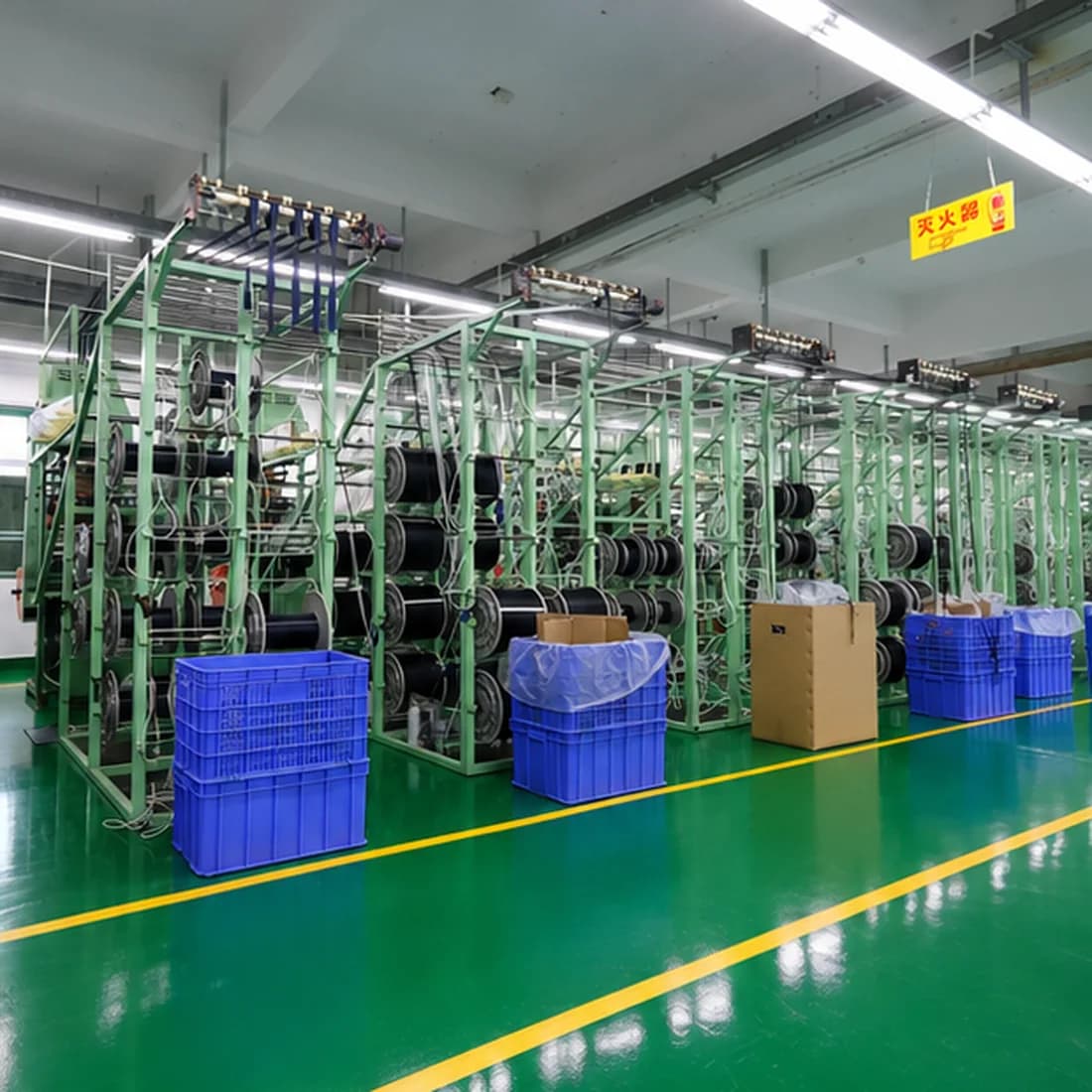
A sample approved weeks earlier does not confirm that the bulk setup is correct. At the start of a lot, verify the actual yarn, colour, machine or production route, weave or knit setting, finished width, thickness where relevant, pattern repeat, edge, face/reverse orientation and surface finish. Compare the first output with the controlled baseline before continuing at production speed.
Record setup conditions that influence the result without creating unnecessary paperwork. Machine identification, key setting or program revision, yarn lot, operator or responsible person, date and first-article measurements may be enough for one item; a higher-risk product may require more. The purpose is to reproduce the approved condition and diagnose change, not to collect data that nobody reviews.
Define who can approve the first article and what happens when it fails. Adjusted material should be rechecked and clearly separated from suspect output. Production made before approval needs an explicit status. This gate is most valuable when correction is still cheap; a final inspector cannot recover a full lot woven with the wrong repeat or yarn direction.
| First-article check | Question | Evidence |
|---|---|---|
| Identity | Are item, revision, yarn lot and colour correct? | Work order and lot record |
| Construction | Do face, reverse, edge and repeat match the reference? | Signed first-article sample |
| Dimensions | Are critical values within agreed limits by the agreed method? | Measurement record |
| Assembly risk | Does it sew, fold or pass through hardware as required? | Representative fit or assembly check |
The first-article list should be product-specific and short enough to be followed consistently.
04Check the Process Often Enough to Find Drift Early
Narrow-textile production can drift through yarn changes, tension variation, machine stoppage, joins, operator adjustments, dye or finishing variation and handling. In-process checks should be placed where a defect becomes visible and before more value is added. Define the frequency by length, roll, time, lot event or risk. “Check regularly” is not a usable instruction.
Typical checks include width, thickness or mass where relevant, surface, edge, skipped or broken yarn, contamination, colour continuity, stretch behaviour, logo repeat and roll joins. Some can be checked at the machine; others need a relaxed sample away from production tension. Record the method and reaction rule. A measurement without a defined response simply documents that the process was out of control.
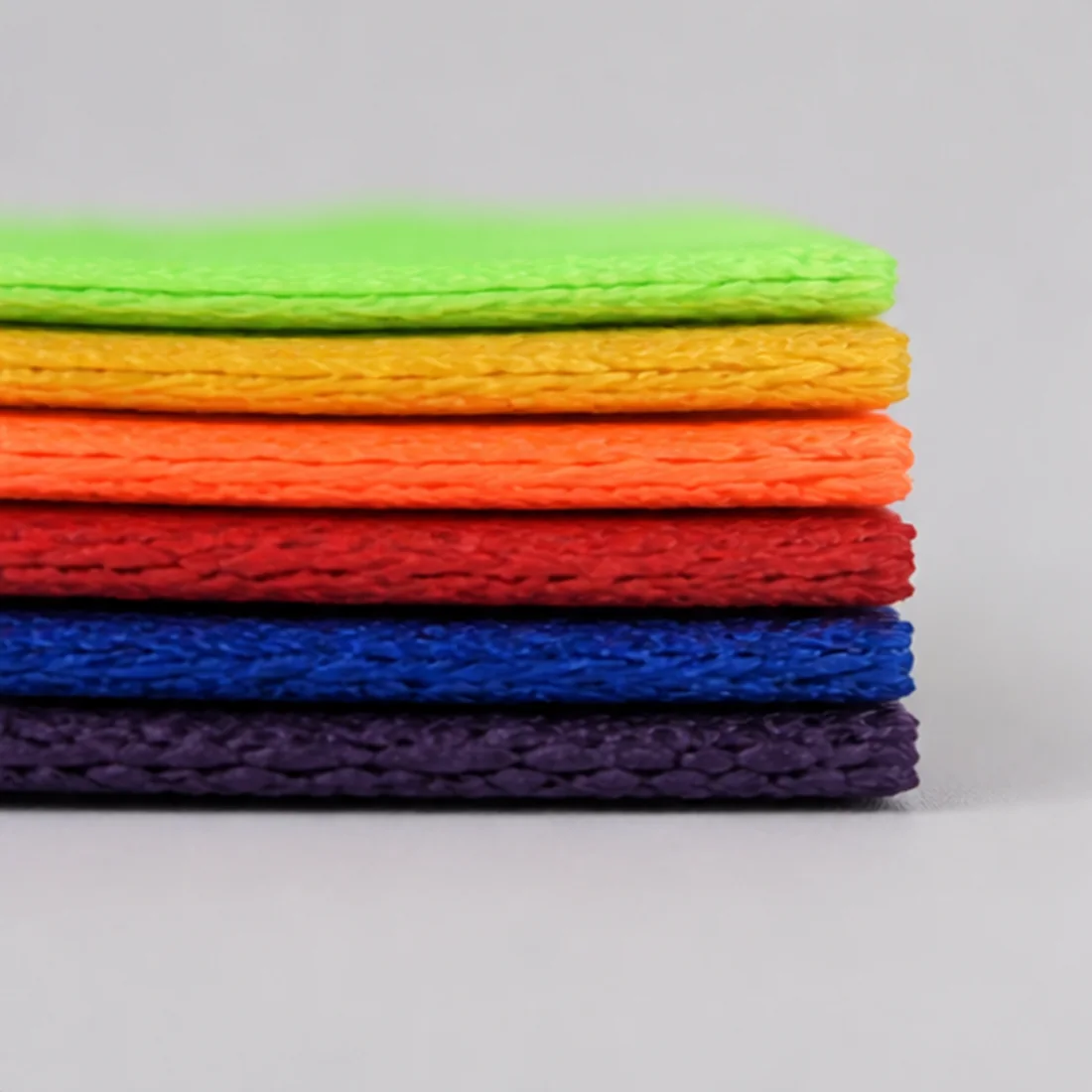
Use defect samples or clear photographs for visual criteria, especially for jacquard detail, edge damage and contamination. Distinguish a normal construction characteristic from a defect. Review recurring issues by lot and cause rather than repeatedly sorting finished goods. ISO quality-management principles emphasize process management, evidence-based decisions and improvement; these are practical production habits, not just certification language.
05Agree Performance Tests Before Choosing Acceptance Limits
A test name is not a complete requirement. State sample preparation, conditioning, specimen dimensions, equipment, speed or cycle, calculation, number of specimens and acceptance rule as required by the selected method. ASTM D5035 describes strip testing for breaking force and elongation of textile fabrics, but the buyer must determine whether that method and specimen geometry are appropriate for the actual narrow webbing. Product-level seams, folds and hardware may need separate validation.
Select tests from foreseeable use: breaking or elongation, elastic recovery, abrasion, colourfastness to washing or rubbing, dimensional change, UV exposure, chemical requirements, seam slippage or hardware compatibility. Do not add every test to every order. Unfocused testing increases time and cost while still missing the failure mode that matters.
Define where testing occurs and what triggers retesting. Development evidence may establish the construction, while bulk verification may be scheduled by colour, material lot, production lot or risk event. If an outside laboratory is required, agree accreditation or buyer approval, sample selection and report ownership before shipment. If an internal test is used for process control, distinguish it from a formal third-party report.

06Define Defects and Sampling Without Hiding Behind “AQL”
Final inspection should use a written defect list with critical, major and minor classifications matched to the product. The classification reflects consequence, not how easy the defect is to see. Wrong material, unsafe contamination or a failure affecting regulatory compliance may be critical. A width that prevents hardware assembly or an unreadable brand logo may be major. A small appearance variation outside a defined premium zone may be minor—if the buyer agrees.
ISO 2859-1:2026 specifies sampling procedures indexed by acceptance quality limit for lot-by-lot inspection. It provides a statistical framework, not a universal promise that a shipment has “AQL quality.” The parties still need to define the lot, inspection level, sample size code, acceptance criteria, defect classification and switching rules. Critical characteristics may require a different control from ordinary appearance sampling.
Sampling cannot compensate for weak process control. A passed final sample does not prove that every metre is identical, and a failed sample should trigger a defined response: containment, expanded inspection, rework, lot rejection or technical review. Record results by lot and use recurring defect data to improve material, setup and process controls.
07Release Only Identified, Protected and Traceable Lots
Before packing, confirm roll or piece length, joining rules, winding tension, orientation, protective material, labels and quantity. Webbing can crease, telescope, stain or distort when packed under the wrong tension or mixed with incompatible materials. If different colour or production lots must remain separate, the carton and packing list should preserve that identity.
Shipment release should reference the order, item, specification revision, approved sample, production lot, quantity, inspection status, tests and deviations. The responsible person should be identifiable. Any concession should describe the affected quantity and buyer approval rather than disappearing into informal chat. Retain records for a period aligned with buyer, regulatory and repeat-order needs.
Traceability should be tested with a simple exercise: select one carton and determine which production and material records support it; then select one suspect material lot and determine which finished cartons used it. The system does not need to be expensive, but it must be accurate enough to contain a problem without treating every shipment as suspect.
08Buyer–Supplier Webbing Control Plan Checklist
Use the checklist below as a conversation framework, then remove fields that do not apply and add product-specific risks. The final document should name owners and decision points. A short plan that operators, inspectors and buyers actually use is more valuable than a generic quality manual copied into the order file.
Review the plan after the first bulk lot. Compare predicted risks with actual adjustments, defects, test results, packing problems and customer feedback. Update the controlled revision and approval sample where necessary. Continuous improvement means converting real evidence into a better next order, not silently changing the process.
- Controlled specification, drawing, artwork, colour reference and physical sample.
- Critical characteristics linked to use, method, frequency and reaction rule.
- Incoming material identity, status, documents and lot allocation.
- First-article approval before unrestricted production.
- In-process checks at defined intervals and after relevant changes.
- Application-specific performance tests and responsible laboratory.
- Defect definitions, classification, sampling plan and failed-lot response.
- Packing, quantity, labels, lot segregation and traceability records.
- Authorized release, deviations, change notification and record retention.
09Frequently Asked Questions
What should be inspected on webbing?
Inspect the characteristics that control the application: identity, material, width, thickness where relevant, construction, edge, colour, repeat, stretch or recovery, surface defects, cut finish, hardware or seam fit, packing and required documents. The exact list should follow the risk and approved specification.
What AQL should I use for textile webbing?
There is no universal AQL for all webbing. Buyer and supplier must agree the lot definition, inspection level, defect classes, sample plan and acceptance numbers based on product risk and customer requirements. Critical characteristics may require different controls.
Is final inspection enough for a custom webbing order?
No. Final inspection is one gate. Material identity, first-article approval and in-process controls detect issues earlier, while testing and traceability cover risks that visual final inspection cannot.
When should webbing performance tests be repeated?
Set frequency by risk, buyer protocol, material or colour lot, production lot and change events. Retest when a change can affect performance, when process data indicates drift or when the agreed control plan requires it.
How should an approved webbing sample be controlled?
Give it a unique code and date, connect it to the specification and artwork revision, record any approved exceptions, retain matching buyer and supplier references, and define which attributes it approves. Protect it from unrecorded replacement or deterioration.
10Sources & further reading
Sources support the principles discussed; the final specification and test plan must follow the application and buyer requirements.
- Quality management principlesInternational Organization for Standardization
- ISO 2859-1:2026 — Sampling procedures for inspection by attributesInternational Organization for Standardization
- ASTM D5035 — Breaking Force and Elongation of Textile FabricsASTM International
- ASTM textile standards and test methodsASTM International