
01Begin With the Trim’s Job in the Garment
A tape at a neckline, waistband, placket, shoulder seam, cuff, hanger loop or decorative panel does not face the same demands. Some trims must follow a curve without creating bulk. Others stabilize a seam, carry a printed or woven identity, pass through a buckle or provide a firm visual line. Define the location, assembly and unacceptable failure before discussing whether the construction should be knitted or woven.
Describe contact with skin, garment fabric, thread, fusible material, hardware and other trims. State whether the tape is exposed or enclosed, stretched during sewing, folded around an edge or inserted into a seam. Include labelled care, expected movement and relevant exposure to perspiration, rubbing or sunlight. These conditions determine what must be evaluated; a catalogue category cannot decide them by itself.
Rank the design priorities. Softness, drape, stretch, recovery, low bulk, shape retention, edge definition, logo clarity, grip and sewing efficiency may conflict. Mark each as fixed, preferred or open to recommendation. This gives the supplier room to propose construction while protecting what matters to the product and makes competing samples easier to compare on the same basis.
- Identify the trim location and whether its role is decorative, stabilizing or functional.
- Describe curves, folds, seams, hardware and skin-contact areas.
- State labelled care and foreseeable movement or exposure.
- Rank hand, stretch, stability, appearance and assembly priorities.
02Understand What Knit and Weave Change
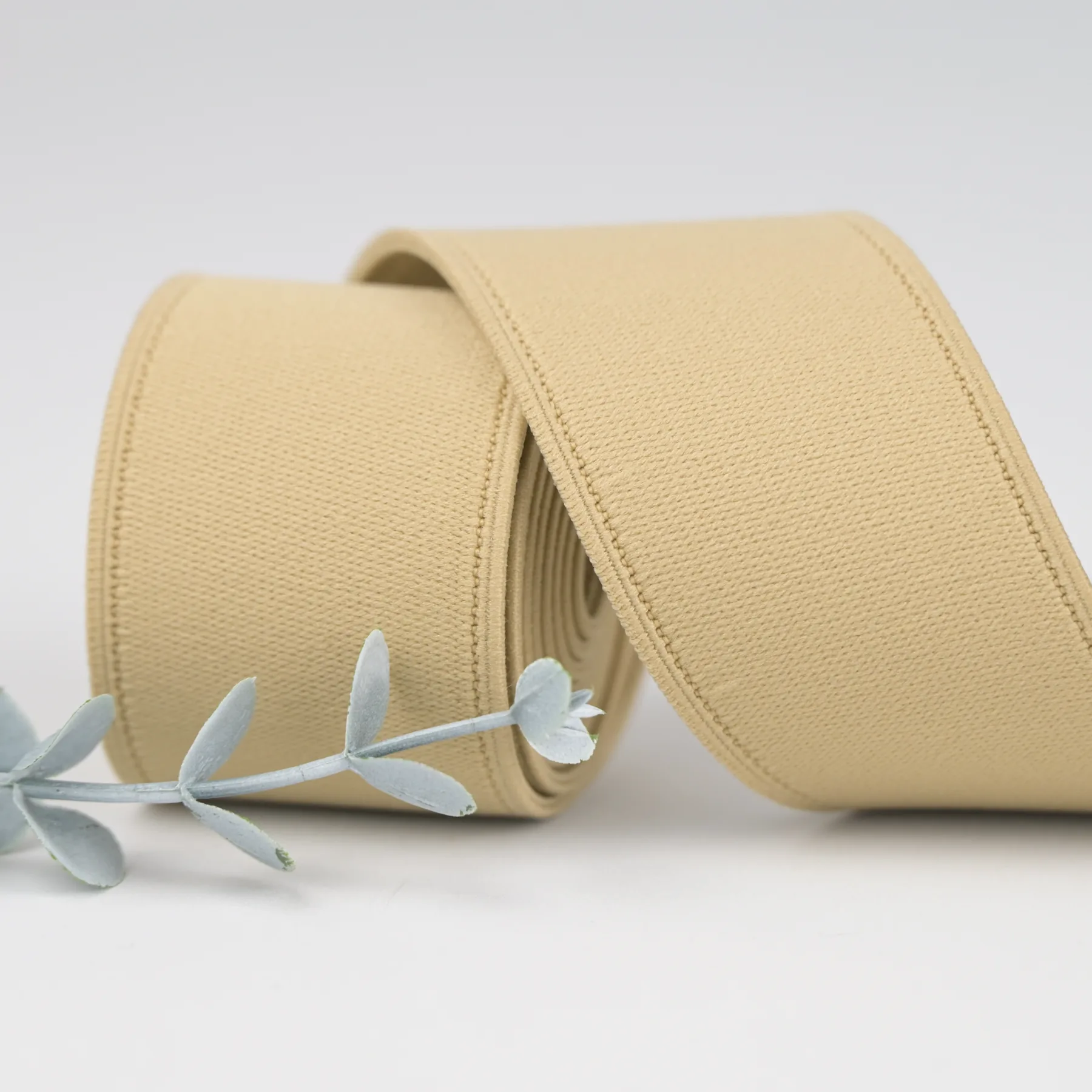
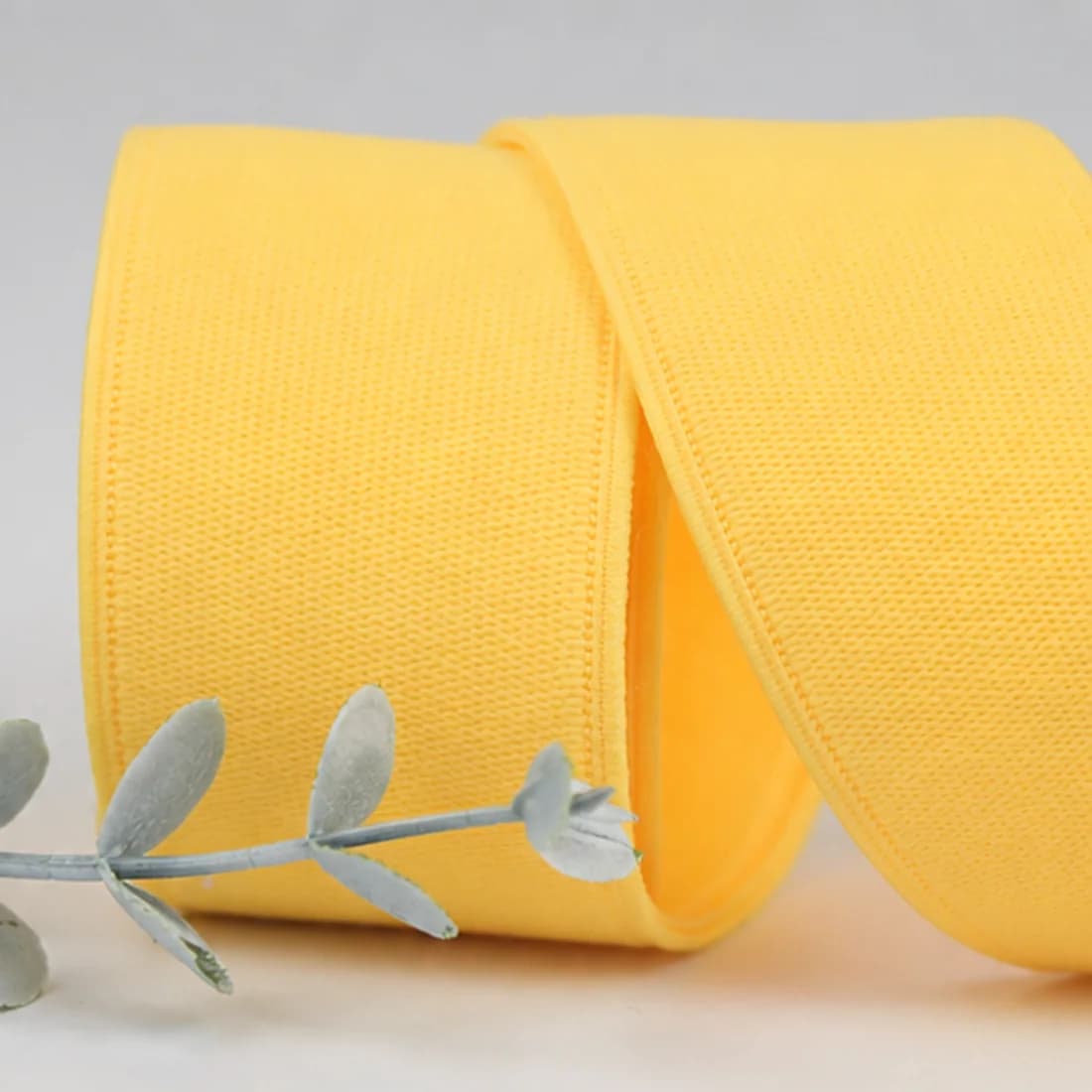
Knitted tapes are formed from intermeshing loops. Depending on yarn, stitch structure, density and finishing, those loops can support flexibility, softness, thickness, stretch or easy conformity around a shape. Knitted does not automatically mean elastic: a tape can be knitted without an elastomeric yarn, and its extension may come mainly from loop geometry. A knitted tape intended to recover after stretch must be specified and evaluated as such.
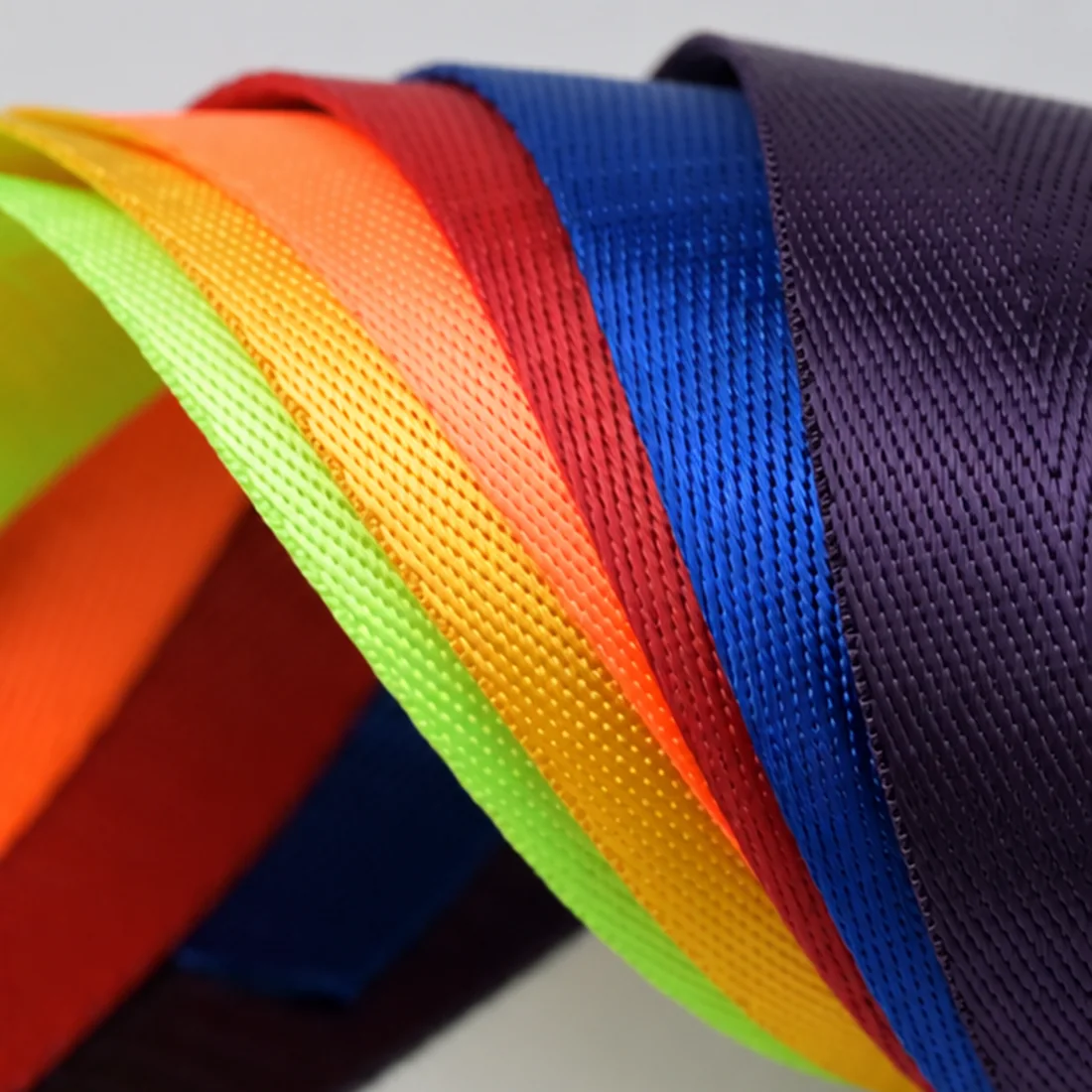
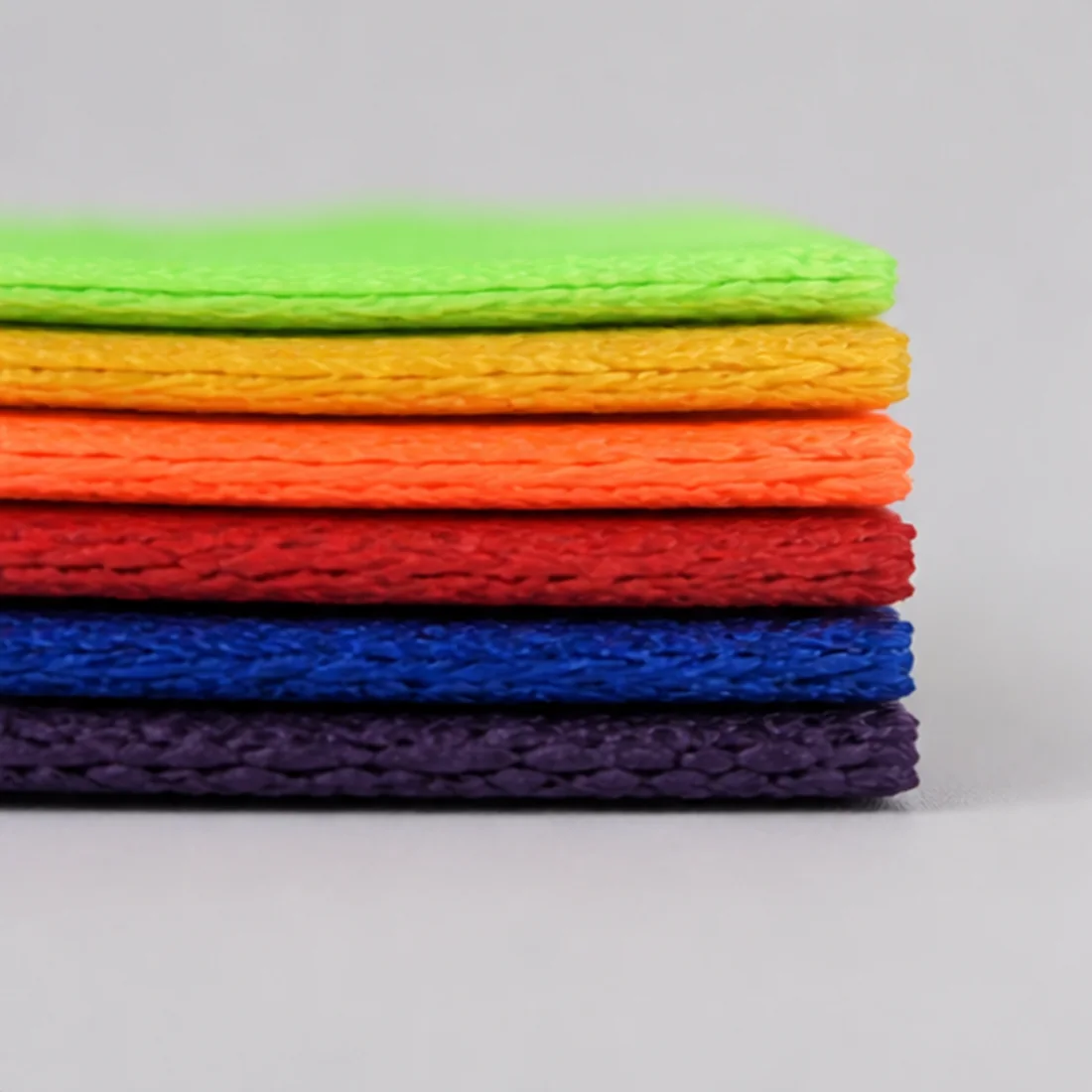
Woven webbing is formed by interlacing warp and weft yarns. The selected weave, yarn size, density and edge construction can create anything from a relatively soft tape to a firm, dense strap. Woven constructions are often considered when a controlled width, defined edge, stable surface, crisp pattern or structured hand is important. Woven does not automatically mean rigid or stronger; those outcomes belong to the exact material and construction.
Request a construction declaration and an identified physical sample. Terms such as “herringbone,” “rib knit,” “plain weave” or “soft tape” describe a family or impression, not a complete item. Record composition, yarn direction, face and reverse, edge, thickness and any elastic component. If the buyer approves mainly by appearance and hand, define which measured attributes will protect that approved result on repeat orders.
| Decision area | Knitted-tape direction | Woven-webbing direction |
|---|---|---|
| Hand and conformity | Often considered for soft, flexible or body-following trims | Can range from soft to firm; often selected for a more defined line |
| Stretch behaviour | Loop geometry and elastomeric yarn may create extension | Usually more dimensionally controlled, though stretch constructions exist |
| Surface and branding | Texture can be soft or dimensional; detail depends on gauge and structure | Stable surfaces and jacquard structures can support crisp repeats |
| Edges and folding | May curl or compress depending on structure and finish | Often offers defined woven edges; fold behaviour still needs a trial |
| Assembly | Can conform well but may feed or stretch during sewing | Can feed consistently but may add stiffness or bulk |
These are common design directions, not guaranteed properties. Compare the exact proposed constructions in the intended garment.
03Separate Stretch, Recovery and Dimensional Stability
Stretch is the extension reached under a defined force or to a defined distance. Recovery describes what happens after that force is removed. Growth is the residual change that remains. A soft knitted tape may extend readily but recover slowly; an elastic knit may recover strongly; a woven tape may show little extension yet still relax after care. Use these terms separately in the brief so “good stretch” does not hide different expectations.
Define the test specimen length, conditioning, direction, loading or extension sequence, number of cycles and recovery interval. Set the acceptance criterion from garment function rather than copying a limit from another product. A waistband-facing tape, neckline reinforcement and decorative sleeve stripe may all require different behaviour. If the tape is sewn under tension, record the application ratio and machine setting because the assembly can change the measured garment result.
Dimensional stability after washing and drying should be evaluated with the garment fabric and seam. Differential shrinkage can ripple a placket, shorten an edge or make a trim stand away from the body even when both individual materials appear acceptable. ISO 6330 supplies defined domestic washing and drying procedures for textile testing; the team still needs to select the procedure that corresponds to the care label and decide which dimensions and appearance features to assess.
04Test Sewing, Folding and Hardware on the Real Assembly
Knitted tape can follow curves and compress into a seam, but it may stretch, curl or feed unevenly if tension, presser-foot pressure, differential feed or stitch selection is unsuitable. Woven webbing may feed with greater dimensional control, yet a dense construction can create needle deflection, puckering or bulky overlaps. Trial the intended machine, needle, thread, stitch density, seam allowance and sewing direction instead of approving only a loose piece of trim.
For binding or folded applications, assess turn-of-cloth, edge coverage and spring-back. Mark the finished fold line on the sample and evaluate whether the tape needs pre-creasing, heat setting or another controlled process. Check both straight and curved sections. A tape that folds neatly on a desk may twist at a neckline curve or become too thick where several seam layers meet.
If the trim passes through a slider, ring or buckle, send the real hardware. Width tolerance, thickness, compressibility and surface friction determine whether adjustment feels controlled or whether the tape slips or jams. Woven webbing is often shortlisted for structured hardware paths, but a suitable knitted construction may also work. The complete assembly test is more reliable than a construction label.
- Use the production fabric, machine, needle, thread and stitch direction.
- Inspect feed, curl, puckering, needle damage, seam bulk and edge coverage.
- Check straight areas, curves, intersections and repeated folds.
- Evaluate hardware movement and holding on the production-colour tape.
05Specify Material, Colour and Care as Connected Choices
Polyester, nylon, cotton, polypropylene, elastomeric yarn and blends can be used in narrow textile constructions, but material name does not determine the final hand or care behaviour. Fibre, yarn form, construction, dye process and finish interact. State composition requirements or acceptable options, explain the desired outcome and ask the supplier to declare the proposed build. If recycled input or a chemical requirement matters, identify the applicable standard, scope and documents rather than relying on an unsupported label.
Approve colour on the exact knitted or woven surface. Loops, ribs, glossy filaments and dense woven faces reflect light differently, so the same target can appear lighter, darker or less saturated. Agree the physical or coded reference, viewing conditions and acceptable range. Treat initial shade, lot consistency and colourfastness as separate controls. ISO 105-X12 provides a method for assessing colour transfer by dry and wet rubbing, but the exposure and acceptance grade must match the garment and adjacent materials.
Run care trials on the assembled garment or representative panel. Review shrinkage, growth, curl, surface change, colour transfer, seam puckering and the way the trim interacts with the base fabric. Consider whether pressing, garment dyeing, washing, softening or heat processes occur after sewing. An approved incoming tape can change during garment finishing, so the final process sequence belongs in the development plan.
| Attribute | Why construction matters | Useful approval evidence |
|---|---|---|
| Colour appearance | Loop and woven surfaces reflect light differently | Final-construction lab sample under agreed lighting |
| Rubbing transfer | Surface yarn exposure and finish affect contact | Dry/wet method selected for the application |
| Care stability | Loops, yarn and finish respond differently to washing and drying | Representative panel or garment through labelled care |
| Post-sew finishing | Heat, washing or softener can change hand and dimensions | Trial using the intended garment process sequence |
06Use a Side-by-Side Sample and Test Matrix
Compare samples that isolate the real decision. Use the same target width and a similar colour direction where possible, and ask the supplier to explain unavoidable differences in thickness, weight or yarn. Label each sample with composition, construction and revision. Compare hand, drape, extension, recovery, edge, opacity and surface before assembly, then sew each option into the same garment fabric with documented settings.
Select measurements that control the application. ASTM D3774 provides a method for textile-fabric width, and ISO 13934-1 describes a strip method for maximum force and elongation of fabrics. Their relevance and specimen preparation must be confirmed for the proposed narrow construction. Standards describe methods; they do not create a universal garment-trim pass value. Buyers and suppliers need product-specific acceptance limits and an agreed sampling rule.
Use a weighted scorecard to prevent one attractive feature from deciding the project. A soft knitted tape may win on comfort but require better sewing control. A firm woven tape may win on edge and logo definition but feel too rigid at a skin-contact zone. Score critical factors first, record acceptable trade-offs and retain the chosen physical reference. Ask for notice before changes to yarn, construction, dyeing, finish or production route that can affect approval.

07Decision Guide and Garment-Trim RFQ Checklist
Shortlist knitted tape when the product needs softness, conformity, low-bulk flexibility or a deliberately engineered stretch direction. Shortlist woven webbing when it needs defined edges, dimensional control, a structured hand, stable branding or a controlled hardware path. Do not stop at that shortlist. The winning option is the exact construction that fits the garment, sewing process, care label and approval priorities.
A useful RFQ shows the finished product, trim location and critical assembly. Attach a drawing, base fabric, colour reference, hardware and any physical target. Ask each quotation to repeat the proposed composition, construction, width, thickness, stretch behaviour, finish and assumptions. Separate commercial fields such as quantity and destination from technical acceptance criteria, and require deviations to be stated rather than silently substituted.
Link the final approval to the garment bill of material and quality plan. Record item code, supplier, composition, structure, dimensions, colour, finish, face direction, seam or application ratio, care route, test methods, approved-sample code, packaging and change notification. This prevents a later buyer from replacing the trim with another tape that shares its colour and width but not its hand, recovery or assembly behaviour.
- Garment type, trim location, function, target market and care label.
- Knitted or woven direction plus any acceptable alternative.
- Composition, finished width, thickness, mass if relevant and measurement method.
- Hand, drape, stretch direction, extension, recovery and dimensional-stability needs.
- Colour target, face/reverse, surface, pattern, logo and edge construction.
- Base fabric, seams, folds, application ratio, hardware and post-sew finishing.
- Tests, product-specific limits, sample stages and retained-reference identity.
- Quantity by colour, packing, destination, commercial terms and change notice.
08Frequently Asked Questions
Is knitted tape always stretchier than woven webbing?
No. Knit loops can provide constructional extension, but the amount and recovery depend on yarn, stitch, density, finish and whether an elastomeric component is present. Stretch woven constructions also exist. Approve measured behaviour on the exact sample.
Which construction is better for a soft neckline or armhole?
A soft knitted tape is often a useful starting point because it can conform around curves, but sewing control, recovery, edge curl and care stability still need a garment-panel trial. A suitably soft woven construction may also work when more stability is needed.
Which tape is better for a logo or decorative stripe?
Woven or jacquard structures are often shortlisted for stable repeats and defined edges, while knitted structures can create soft or dimensional branding effects. Logo size, yarn, width, stretch and normal-use viewing position determine the result.
Can I approve garment trim by width and colour only?
That is risky. Composition, construction, thickness, hand, stretch, edge, finish, sewing behaviour and care response can differ while width and colour appear similar. Retain an identified physical sample and measurable controls.
What should I send a supplier for a knit-versus-weave comparison?
Send the garment view, trim location, base fabric, seam or fold detail, target dimensions, colour reference, care label, desired hand and stretch behaviour, hardware and quantity. Explain which decisions are fixed and where recommendations are welcome.
09Sources & further reading
Sources support the principles discussed; the final specification and test plan must follow the application and buyer requirements.
- ASTM D3774-18(2024) — Standard Test Method for Width of Textile FabricASTM International
- ISO 13934-1:2013 — Maximum Force and Elongation Using the Strip MethodInternational Organization for Standardization
- ISO 6330:2021 — Domestic Washing and Drying Procedures for Textile TestingInternational Organization for Standardization
- ISO 105-X12:2016 — Colour Fastness to RubbingInternational Organization for Standardization