
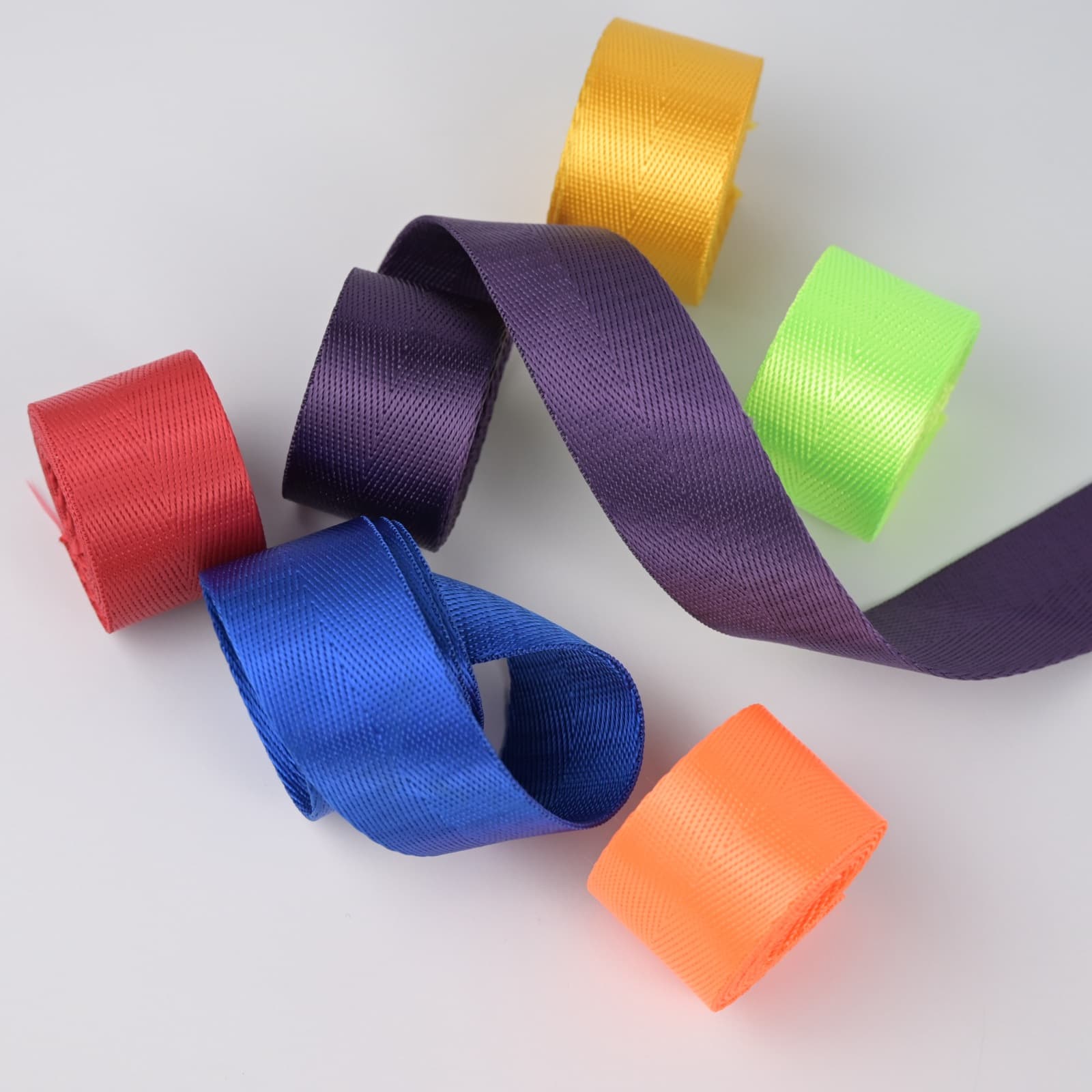
01Map the Complete Load Path Before Selecting Webbing
Start at the point where the user applies force and trace the path through every component: handle or shoulder section, adjuster, slider, ring, folded end, stitch pattern, reinforcement, anchor patch, seam and bag body. The webbing may be strong relative to another component, but that does not establish the strength or durability of the assembly. A narrow fold, damaged edge, slipping adjuster or poorly supported anchor can become the controlling point.
Describe intended bag type, carrying mode and foreseeable conditions without substituting a vague label such as heavy duty. Note whether the strap is fixed, adjustable, detachable, doubled, padded or routed through several hardware pieces. Consider repeated lifting, walking motion, twisting, abrasion against clothing, moisture, contamination, temperature and storage. For safety-critical or regulated applications, use qualified product engineering and the applicable product rules rather than relying on this general sourcing framework.
Mark which attributes are fixed and which require supplier input. A bag design may fix visual width and hardware while leaving yarn, weave density or edge construction open. Ask every proposal to state its assumptions so a visually similar sample is not mistaken for an equivalent structure.
- Draw every webbing route, fold, hardware contact, seam and anchor.
- Identify adjustment zones, high-flex points and areas exposed to abrasion.
- Describe use and foreseeable misuse without inventing an unsupported load claim.
- Define the tests supporting final approval.
02Treat Hardware Fit as Width, Thickness, Edge and Friction
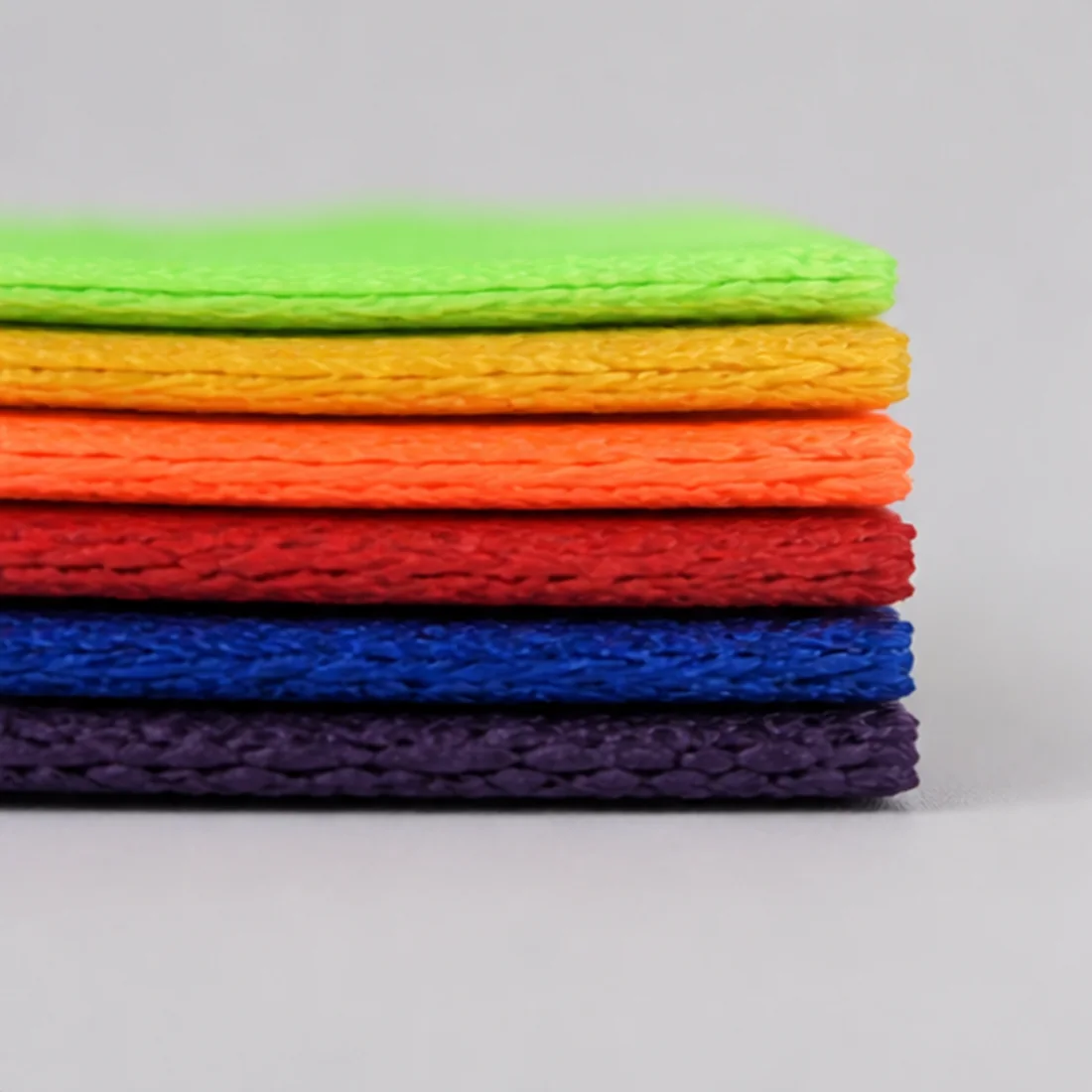
A nominally matching width does not prove that webbing will work in an adjuster. Hardware fit also depends on actual slot geometry, webbing thickness, compressibility, edge profile, surface friction, coating, fold layers and tolerance. A thick or firm tape may bind; a smooth or thin tape may slip; a soft edge may roll into the slot. Send production-intent hardware or a controlled drawing and test the complete threading path.
Define finished width with a measurement method and relaxed condition. ASTM D3774 is one recognised method for textile-fabric width, but confirm how it applies to the proposed narrow webbing. Where thickness matters, state measuring pressure and locations because compressible textiles can give different readings. Record dimensions after relevant finishing, not only at the loom stage.
Run adjustment trials in both directions and at different strap orientations. Observe feeding effort, unintended movement, edge folding, local polishing, yarn damage and whether the strap remains flat after repeated adjustment. If the webbing is folded back through the hardware, approve the entire stack and stitch clearance. Hardware from different production sources or revisions should be rechecked instead of assuming the same marketed size has identical geometry.
| Fit variable | Define or supply | Assembly check |
|---|---|---|
| Slot geometry | Controlled hardware sample or dimensioned drawing | Threading, clearance and contact points |
| Webbing width | Finished value, tolerance and relaxed method | Flat passage without edge roll or excessive gap |
| Thickness | Method, pressure and measurement locations | Layer stack, fold and stitch clearance |
| Surface friction | Approved finish and face orientation | Adjustment effort and resistance to unintended slip |
| Edge profile | Woven edge construction and visual reference | Damage, curling and behaviour at slot corners |
Approve the production-intent webbing and hardware together. Nominal catalogue dimensions alone do not establish compatibility.
03Select Fibre and Weave for the Real Exposure
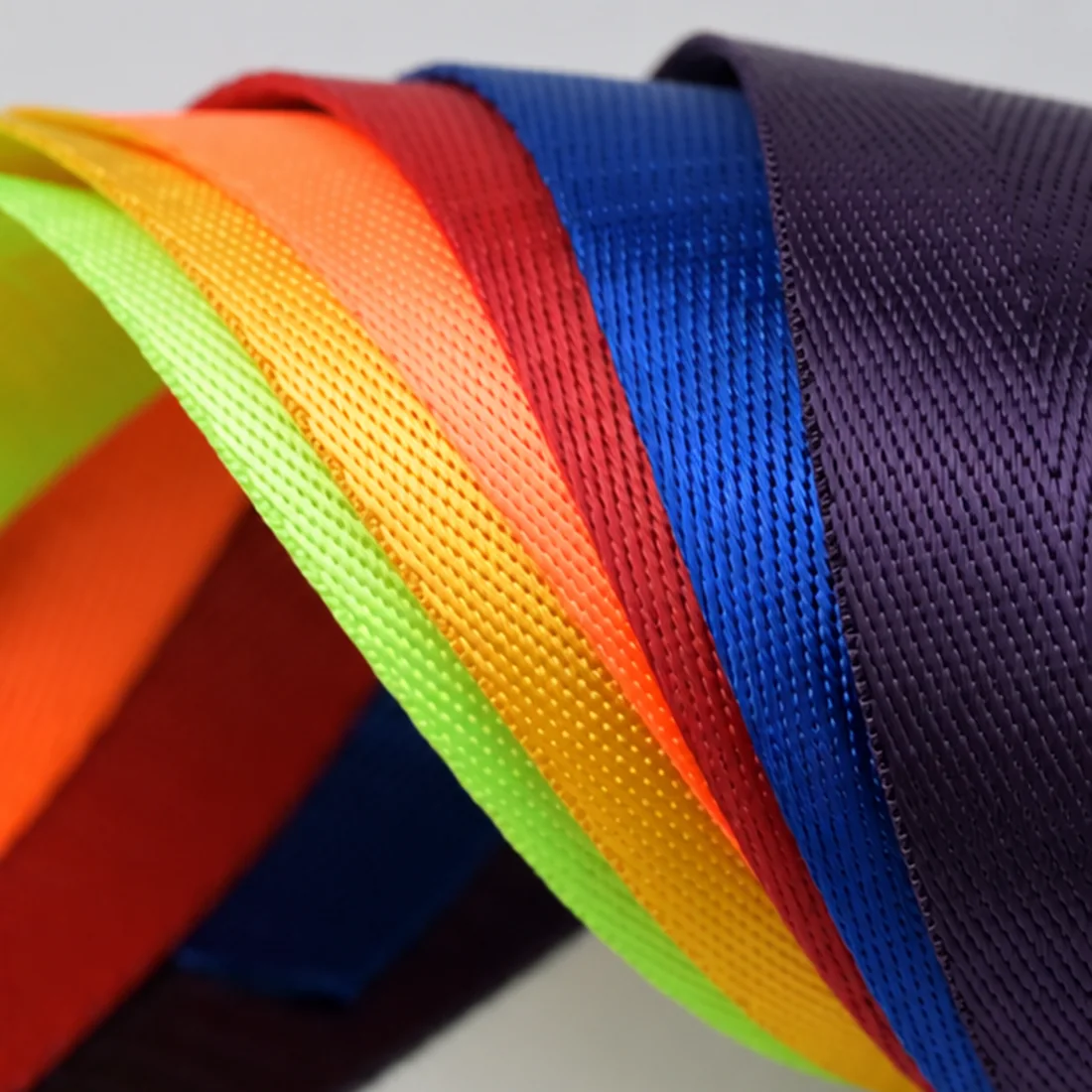
Nylon, polyester, polypropylene and other fibres can all be used for bag straps, but fibre name does not define the finished tape. Yarn form, linear density, twist, weave, pick density, heat setting, dyeing and finish influence hand, elongation, abrasion, moisture response, sheen and sewing. Ask the supplier to document the proposed construction and approve a named sample rather than purchasing an unspecified material description.
Choose trade-offs from the product environment. Moisture, sunlight, repeated flexing, surface abrasion, colour transfer, washing or chemical contact may matter differently for travel luggage, fashion handbags, outdoor packs and promotional totes. Do not convert broad material tendencies into guaranteed performance. Identify the relevant exposure and compare candidate constructions through an agreed test or finished-product trial.
Inspect both faces and both edges in relaxed, bent and tensioned states. A strap may have a preferred face for appearance or hardware friction. Yarn floats, ribs, jacquard detail and coatings can alter abrasion and sewing. If recycled content, restricted-substance testing or another claim is required, state the named programme, product scope and order-level evidence needed; do not infer certification from the fibre description alone.
- State composition and construction, not only a trade name or visual match.
- Identify face, reverse, edge, stretch direction and surface finish.
- Link sustainability or chemical claims to exact evidence and scope.
04Engineer Seams, Folds and Anchors as Part of the Strap
The attachment design changes how force reaches the webbing. Define fold length, number of layers, stitch pattern, seam allowance, reinforcement, thread, needle and anchor material. Show the direction of pull relative to the stitch rows and the nearest cut edge. A familiar box stitch, bar tack or crossed pattern is not automatically suitable merely because it looks robust; geometry and execution must be validated in the specific material stack.
Make development samples with production-intent webbing, thread, hardware, reinforcement and bag fabric. Inspect needle cutting, yarn displacement, skipped stitches, seam grin, puckering and local tearing. Very dense stitching can damage yarns or perforate a weak backing, while a sparse pattern may not distribute force as intended. Record machine settings or an approved seam reference where repeatability depends on them.
The anchor must spread force into the bag body. Review pocket, lining and seam placement around the attachment so the strap does not load a single fabric edge or interfere with a zipper. If the design includes removable hooks, rings or swivels, inspect orientation and off-axis loading. Product-level evaluation should include the entire assembly; replacing the shell, reinforcement, thread or hardware after approval can invalidate the earlier result.

05Specify Edges, Cut Ends and High-Wear Zones
Edges repeatedly contact hardware, clothing and the user. Define the woven edge character, acceptable curl, surface appearance and whether the edge becomes firm or sharp when bent. Inspect edge symmetry across the roll and after threading. If a decorative stripe or jacquard element approaches the edge, confirm that construction and trimming do not expose floats or disturb the visual border.
Cut ends require a method appropriate to fibre and assembly. Heat cutting can fuse some thermoplastic materials, while other compositions or visual requirements may use mechanical cutting, folding, sewing, binding or a fitted tip. A fused end that prevents loose yarn may still become hard, discoloured or uncomfortable. State whether the end remains visible, touches the user, enters a seam or passes through hardware, then approve the resulting edge rather than simply requesting anti-fray treatment.
Reinforce the transition zones where a flexible strap enters a rigid fitting or dense seam. Repeated bending can concentrate wear at the same point. During trials, mark the contact locations, inspect yarn polishing, edge damage, fold memory and hardware burrs, and include the mating component in the investigation. If a problem appears, changing hardware geometry or seam placement may be more effective than selecting a heavier webbing.
06Create a Method-Based Component and Product Test Plan
Separate raw-webbing characterisation from assembly validation. ASTM D6775 describes a method for determining breaking strength and elongation of textile webbing, tape and braided material using specified specimen clamps. Before citing it, confirm that the material and equipment fall within its scope and agree the current edition, conditioning, specimen preparation and reporting. A raw-webbing result supports comparison; it does not certify the finished bag or set a safe working load.
The assembled strap test should reflect its real load path and failure risks. Define how the bag is supported, where force is applied, direction, rate, cycles or holds, environmental conditioning and pass criteria. Include adjustment and slippage where hardware controls strap length. Where an industry, retailer or regulatory protocol applies, use the exact required method and competent laboratory rather than replacing it with a convenient internal pull test.
Conditioning matters when comparing textile results. ISO 139 defines standard atmospheres used for conditioning and testing textiles. Record the atmosphere, conditioning time, sample identity and deviations so results from different dates or laboratories can be interpreted. For colour transfer at clothing-contact zones, ISO 105-X12 is one relevant rubbing method; the buyer still selects the applicable dry or wet exposure and acceptance grade.
| Validation level | Question answered | Important limitation |
|---|---|---|
| Raw webbing | How does the identified tape behave under an agreed material method? | Does not represent seam, hardware, anchor or bag body |
| Hardware assembly | Does adjustment work and does the strap remain positioned? | Depends on the exact hardware and threading route |
| Sewn attachment | How do webbing, stitches, reinforcement and substrate interact? | A change to any component can change the result |
| Finished bag | Does the production-intent product meet its intended protocol? | Requires product-specific methods, risks and acceptance criteria |
Do not convert a material result into a finished-product load claim without qualified assembly-level engineering and validation.
07Control the RFQ, Sample Revision and Future Changes
A useful RFQ includes the bag and strap drawings, route through hardware, supplied hardware, width and thickness method, construction or reference, colour, edge, cut end, seam, reinforcement, quantity, packing and validation plan. Label uncertain fields as open for recommendation. Ask the supplier to restate the offered construction and exceptions so price comparisons do not hide different assumptions.
Give every development sample a revision identity. Approve visual appearance, hardware fit, sewing and performance evidence as separate gates where necessary. Retain the final webbing sample together with the hardware and seam reference, not just a photograph. Record which colour, finish and production route the approval covers and whether any results apply only to a prototype component.
For repeat orders, require review before changes to fibre source, yarn, weave, dyeing, finish, width, thickness, hardware, thread, reinforcement or factory route where they can affect the approved system. Change control does not prevent improvement; it makes revalidation proportionate and visible. This is more dependable than assuming an unchanged product name guarantees an unchanged strap.
- Bag type, intended use, carrying mode and complete strap route.
- Production-intent hardware, folds, adjustment direction and contact zones.
- Fibre, weave, face, reverse, edge, width, thickness and finish.
- Cut end, seam pattern, thread, reinforcement, anchor and shell fabric.
- Component and finished-product methods, sampling and acceptance criteria.
- Sample revision, retained references, packing and change-notification rules.
08Frequently Asked Questions
Which webbing material is best for bag straps?
There is no universal best fibre. Select from the bag’s exposure, appearance, hand, hardware friction, sewing, colour and care requirements. Yarn, weave and finish can change behaviour within the same fibre family, so approve the actual proposed construction.
How much weight can a webbing bag strap hold?
A generic material value cannot answer that safely. Capacity depends on webbing, hardware, folds, stitching, reinforcement, anchor, bag body, direction and use. Have the complete production-intent product engineered and tested to an appropriate application-specific protocol.
Is matching webbing width to the buckle slot enough?
No. Check finished width, thickness, compressibility, edge, friction, coating, fold layers and tolerance with the actual hardware. Run repeated adjustment and slippage trials in the complete threading route.
Should bag-strap webbing be tested before or after sewing?
Both levels answer different questions. Raw-webbing testing characterises the tape, while sewn and finished-bag testing captures stitches, reinforcement, hardware, anchor and shell interactions. Do not use the first as proof of the second.
What should be retained after bag-strap approval?
Retain an identified webbing sample, production-intent hardware, seam or assembly reference, specification revision, measurement records and applicable test reports. State what each approval covers and require review of material or component changes.
09Sources & further reading
Sources support the principles discussed; the final specification and test plan must follow the application and buyer requirements.
- ASTM D6775-13(2024) — Breaking Strength and Elongation of Textile Webbing, Tape and Braided MaterialASTM International
- ASTM D3774 — Standard Test Method for Width of Textile FabricASTM International
- ISO 139:2005 — Standard atmospheres for conditioning and testingInternational Organization for Standardization
- ISO 105-X12:2016 — Colour fastness to rubbingInternational Organization for Standardization