
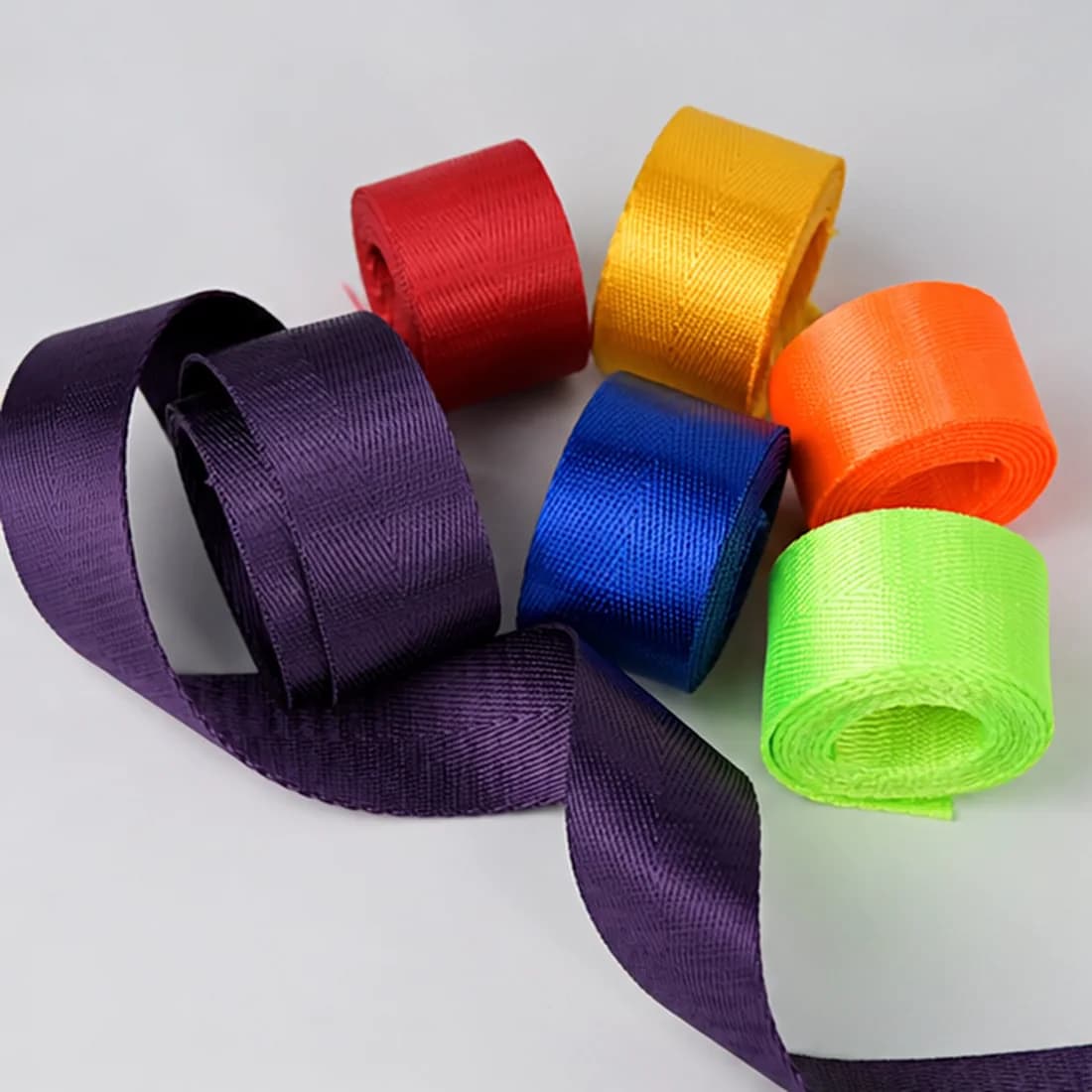
01Separate Shade Match, Colourfastness and Bulk Consistency
Buyers often write “match colour” as if it were one requirement. In practice, three questions need separate answers. First, does the webbing visually match the approved target under the agreed viewing condition? Second, does the colour resist the exposures relevant to the product, such as rubbing, laundering, perspiration or light? Third, is shade variation within one delivery and across repeat orders controlled to an agreed range? Passing one layer does not prove the others.
A sample can look close to a colour card yet stain a pale lining during wet rubbing. Another can perform well in a laundering test while appearing unacceptable beside the garment fabric. A single dye lot can also contain visually different pieces if raw material, process conditions or finishing vary. Write the specification so visual approval, performance evaluation and bulk-lot control each have a named reference, method, sample and decision owner.
Start with the finished product. Identify the adjacent fabrics, trims, leather, coatings or hardware; the lighting in which the product is sold and used; the care label; and likely contact with skin, moisture, sunlight or abrasion. This context prevents a generic test list from replacing a risk-based plan. It also lets design, sourcing and quality teams agree which mismatch would be commercially or functionally important.
- Shade match: compare the finished webbing with the approved visual target.
- Colourfastness: assess change and staining after a defined exposure.
- Bulk consistency: control variation within and between identified lots.
- Assembly compatibility: review the webbing beside actual mating materials.
02Define the Colour Reference and Viewing Condition
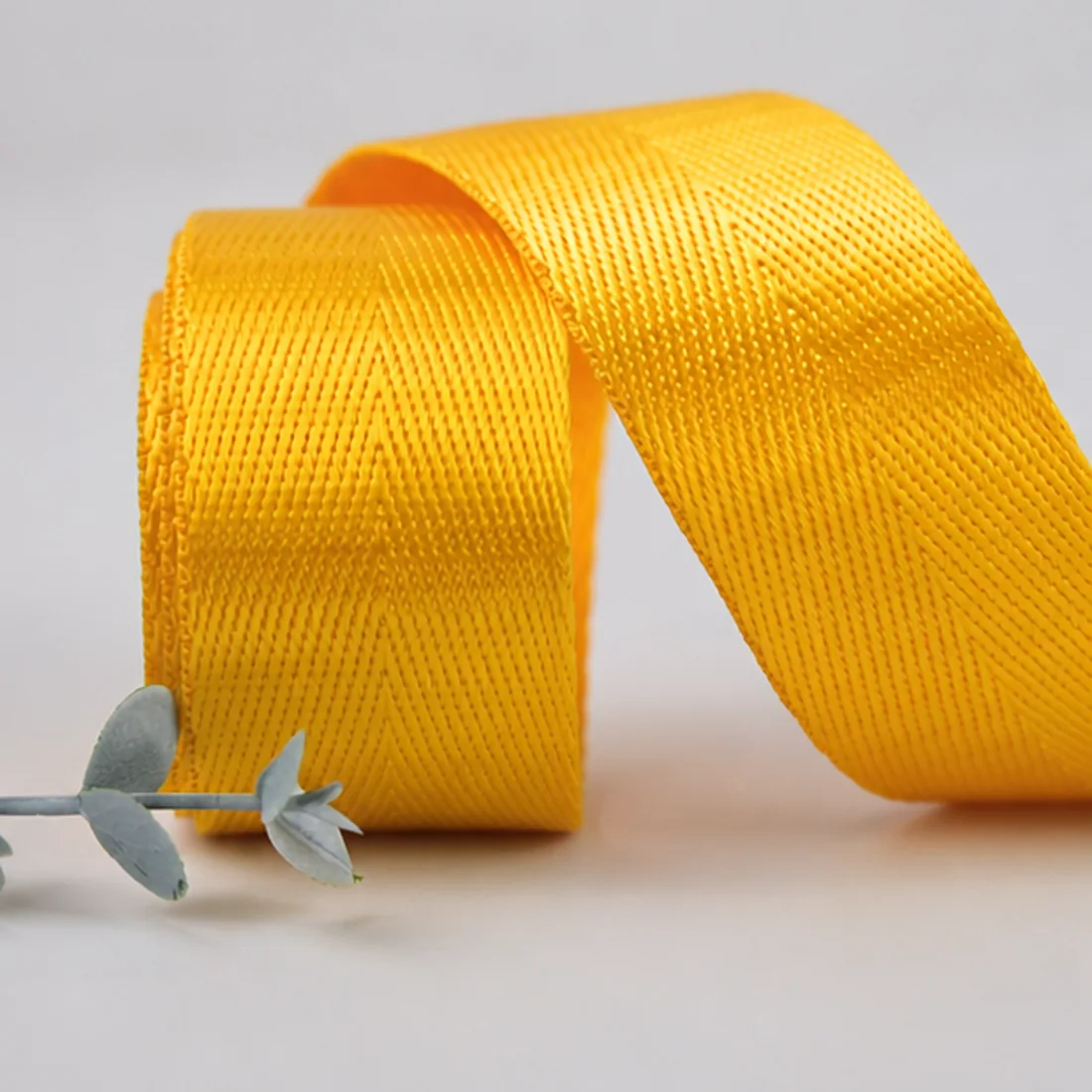
A named colour-system code is useful for communication, but it is not automatically a production approval standard for every textile. Screens vary, printed books age, references may use different substrates and textile texture changes perceived depth and lightness. Record the system, edition or substrate where relevant and whether the code is directional or controlling. For brand-critical projects, establish an identified physical target or approved textile sample.
Agree how the comparison will be made. Lighting source, background, sample orientation, viewing angle and surface condition influence the result. Pile, rib, herringbone and lustrous yarns can show direction-dependent appearance. Compare face to face in a repeatable orientation and include the actual garment, bag or footwear material when visual harmony matters. If instrumental colour measurement is required, specify the device setup, geometry, illuminant, observer and calculation rather than writing only a Delta E limit.
Control the reference itself. Assign an ID and date, protect it from light, soil and handling, and state which party retains the master. Photographs can document the comparison but should not replace the physical standard because camera exposure, white balance and display settings alter appearance. When a reference is replaced, record the change and decide whether existing samples and repeat orders need re-approval.
| Reference field | Define before approval | Common ambiguity to avoid |
|---|---|---|
| Target | Physical sample or named system, edition and substrate | A screenshot or unlabelled swatch |
| Viewing | Light source, background, orientation and comparison distance | “Check in normal light” |
| Instrumental method | Instrument geometry, illuminant, observer and calculation | A Delta E number without a method |
| Reference control | Master holder, ID, date, storage and replacement rule | Several ageing samples all called “standard” |
Instrumental data can support visual assessment, but the buyer must define how both results are used for the specific product.
03Lock Material and Construction Before Final Shade Approval
Fibre type, yarn form, cross-section, twist, weave, knit or braid, density and finish all influence colour uptake and appearance. Polyester, nylon, cotton and polypropylene do not use the same dyeing route, and even constructions made from the same fibre may reflect light differently. A shade approved on a smooth plain tape cannot be assumed to transfer unchanged to a dense herringbone, elastic or jacquard article.
For jacquard webbing, the face may contain several yarn systems and exposed floats. Logo clarity, ground colour and reverse appearance should be reviewed together. In elastic bands, stretch can open the construction and change the visible balance between yarns. For cords, curvature and shadow can make a shade appear deeper. Approve colour on the intended production construction, not only on loose yarn or a substitute tape.
Record the approved material and process route at the level needed for change control. This does not mean the buyer must prescribe every dye recipe. It means the supplier should identify changes that can affect the result—such as fibre source, yarn form, dye route, finishing or subcontracted process—and seek review where required. A colour name and item number alone do not reveal whether the underlying route stayed comparable.
04Use a Traceable Colour-Approval Sequence
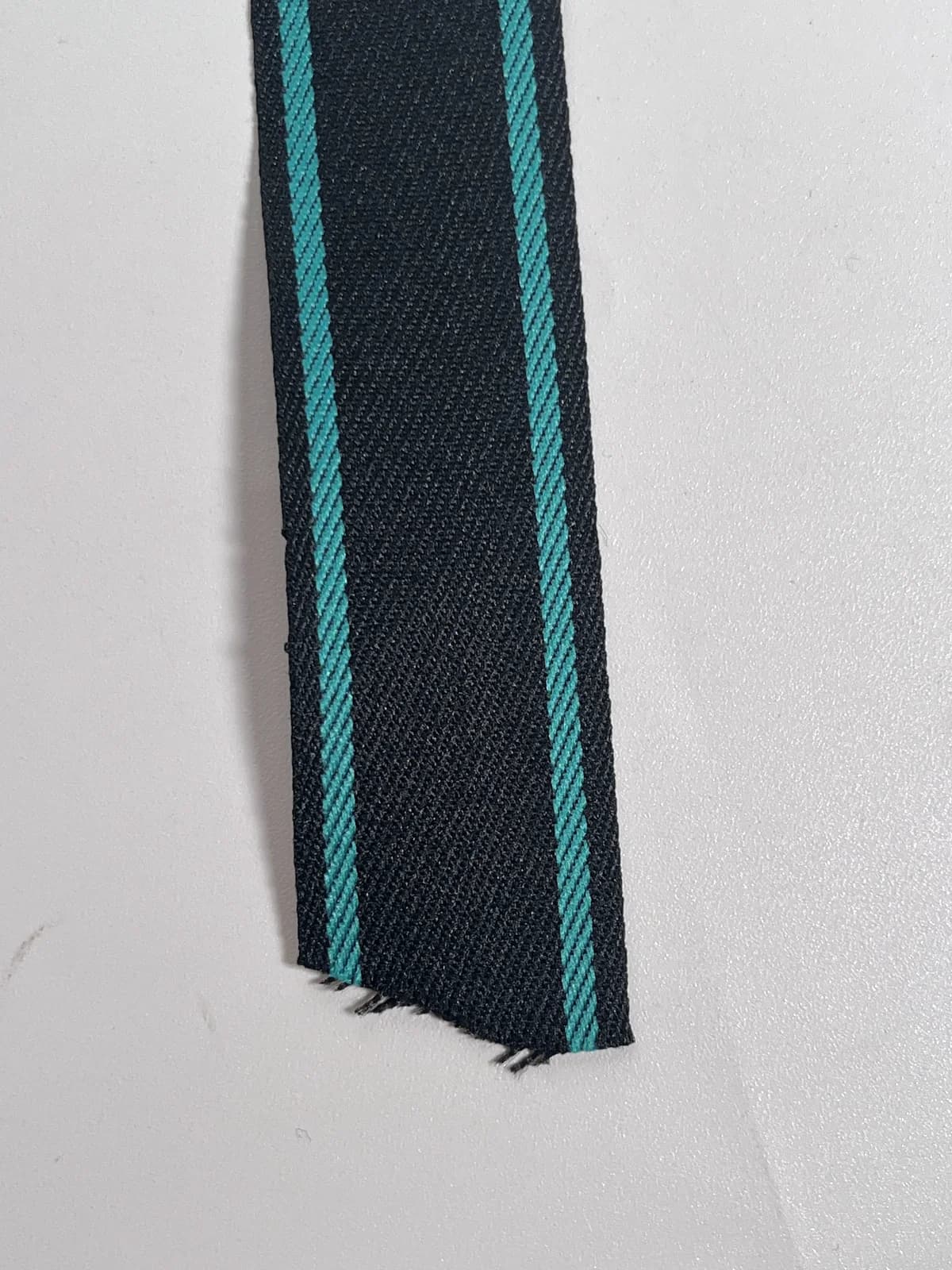
The supplier may use a lab dip, yarn trial, strike-off or small webbing sample depending on fibre and process. Ask what each submission proves. An early colour trial can narrow the shade direction without representing final texture, finishing or bulk processing. A production-intent sample is still needed where construction materially changes appearance. Label every submission with the item, colour, material, process stage, date and revision.
Give specific feedback. “Too dark” is less actionable than a comparison made under the agreed light that identifies the direction and whether the issue concerns depth, hue, chroma or the influence of surface. When several options are submitted, record which one is selected and which attributes remain open. If approval is conditional—such as shade accepted but surface sheen needs adjustment—state the next approval gate.
Retain a master and working reference with the same code. Connect the approval to the purchase order and bulk-inspection plan. The supplier should not be expected to reproduce a sample that cannot be identified, while the buyer should not accept a bulk explanation based on an unavailable internal reference. Simple revision discipline is one of the most effective ways to prevent email approvals from becoming detached from physical material.

- Identify every colour submission by item, colour, material, stage, date and revision.
- State what the submission represents and what may still change in production.
- Record the selected option, exact exceptions and next approval gate.
- Link the retained approval reference to the order and inspection documents.
05Build Colourfastness Tests From Real Exposure
Colourfastness is not a single property. ISO 105-X12 addresses resistance to rubbing and can be performed under dry and wet conditions. ISO 105-C06 addresses colourfastness to domestic and commercial laundering using defined procedures. Other methods cover perspiration, water, light and additional exposures. Choose the methods that reflect the finished product and care route, then state the exact procedure and buyer-specific acceptance limits.
Evaluate both colour change in the webbing and staining of relevant adjacent materials where the method supports it. A dark strap beside a pale garment or lining may create a different risk from a self-coloured component. If the product combines several materials, consider interaction during storage, wear and care. The test specimen, multifibre adjacent fabric or real assembly, conditioning and report format should be agreed rather than inferred.
Do not use an impressive grade from an unrelated method as a universal claim. The same article can perform differently under rubbing, washing, perspiration and light. External laboratory testing may be appropriate where independent evidence, specialized equipment or market compliance is required. Clarify laboratory, accreditation or buyer approval, method version, specimen stage, number of colourways and who owns the decision if a result falls outside the agreed limit.
| Exposure question | Possible method family | Buyer must still define |
|---|---|---|
| Will the webbing rub another surface? | ISO 105-X12 | Dry/wet condition, specimen and acceptance limits |
| Will the product be laundered? | ISO 105-C06 or required buyer method | Procedure, detergent system, adjacent fabric and limits |
| Will it contact perspiration? | Relevant ISO 105 perspiration method | Use condition, specimen and staining expectations |
| Will it receive sustained light? | Relevant ISO 105 light method | Exposure method, duration or endpoint and limits |
The table maps risks to method families; it does not prescribe a universal test programme or pass grade.
06Connect Bulk Shade Control to Lots and Packaging
Bulk approval should define how pieces or rolls are sampled across the production lot, which reference is used and what happens when variation is found. Check beginning, middle and end positions where the process creates a drift risk, and record dye-lot or production identifiers. The correct sample size and decision rule depend on quantity, process and buyer risk; they should be documented rather than improvised at final inspection.
Within-lot consistency matters during cutting and assembly. If visibly different rolls are mixed in one garment or bag, an otherwise acceptable range can create panel-to-panel contrast. State whether lots must be separated, how roll and carton labels identify them and whether shade grouping is permitted. The buyer’s cutting room also needs instructions so controlled lots are not mixed after receipt.
For repeat orders, compare against the retained master under the same viewing condition and review any material or process changes. Absolute identity across textile lots may not be realistic, but an undefined “commercial match” is not an approval rule. Establish a visual and, where appropriate, instrumental range during development. If the new lot falls outside it, record whether it is rejected, reworked or approved as a documented exception.
07Colour Brief and Approval Checklist
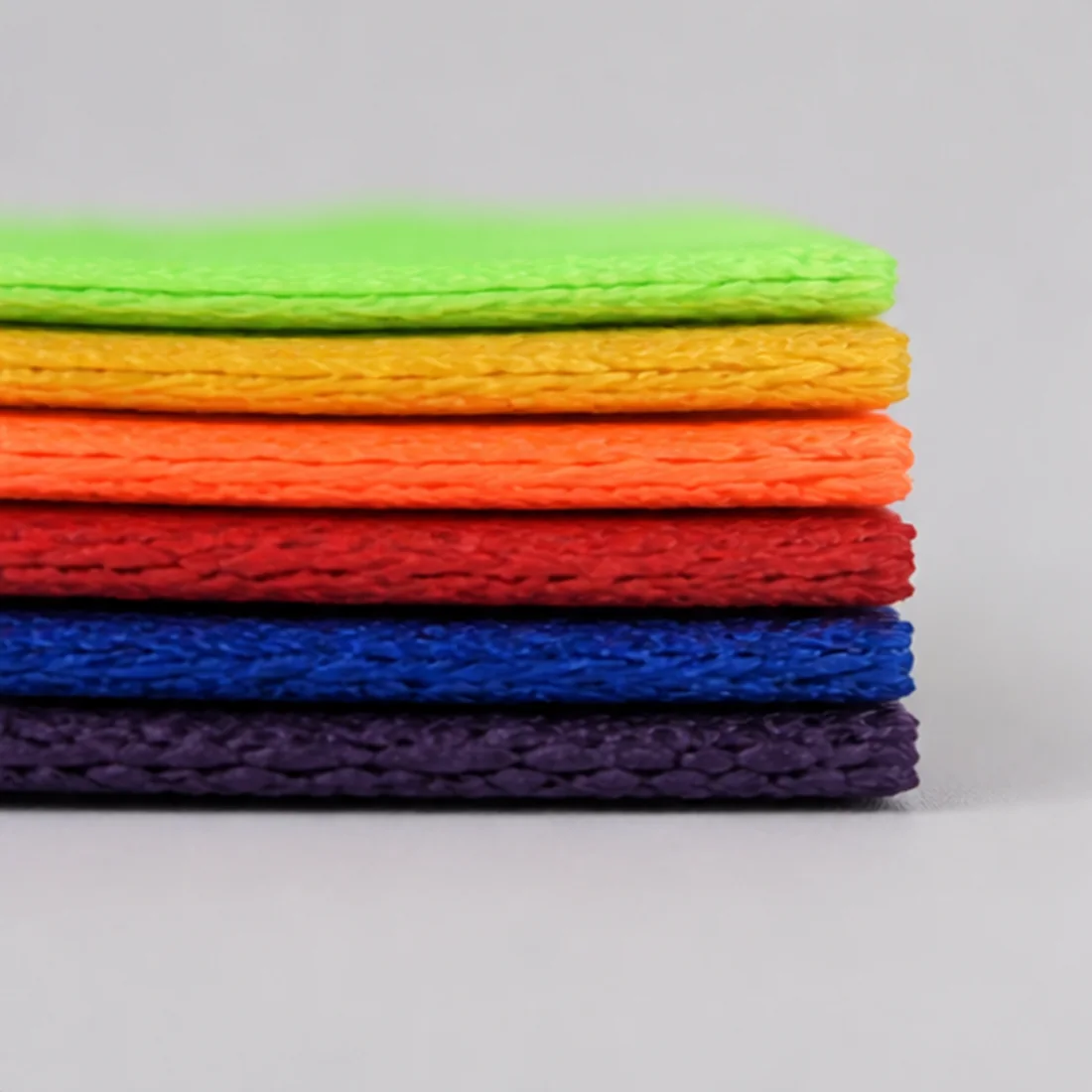
A useful colour brief makes confirmed information and open decisions visible. Include the product application, material and construction, physical or system reference, adjacent materials, viewing condition, required appearance, care route, relevant exposures, test methods and limits, sample stages, bulk-lot plan and repeat-order rule. Ask the supplier to identify any substitute material or process used in early sampling.
Keep design language and quality language connected. Design may approve a visual direction, but quality needs the reference ID, method and range that protect it. The supplier may propose an efficient dye and sampling route, but the buyer should approve what that route proves. When all parties use the same controlled references, colour development becomes a sequence of decisions rather than a search for an undefined “perfect match.”
- Finished product, end use, care label and adjacent materials.
- Webbing fibre, construction, surface, finish and approved revision.
- Colour target, physical master, viewing condition and reference owner.
- Visual and any instrumental comparison method and agreed range.
- Colourfastness exposures, named procedures and buyer-set limits.
- Sample stages, exception handling and bulk inspection rule.
- Lot identification, shade segregation, packing and repeat-order control.
08Frequently Asked Questions
Is a Pantone code enough to match custom webbing colour?
It is useful direction, but substrate, edition, fibre, texture and lighting affect appearance. For critical colour, define the reference and viewing condition, then approve a physical sample on the intended webbing construction.
What is the difference between colour matching and colourfastness?
Colour matching asks whether the initial shade looks like the approved target. Colourfastness asks how the colour changes or stains other materials after a defined exposure such as rubbing or laundering. Both need separate methods and approval criteria.
Should webbing colour be approved visually or with a spectrophotometer?
That depends on the buyer programme and textile. Instrumental data can improve consistency, but the setup and calculation must be defined and textured or directional surfaces can complicate readings. Many projects combine controlled visual review with agreed instrumental support.
Why can bulk webbing look different from a colour sample?
Material, construction, batch scale, dyeing, finishing and viewing conditions can affect appearance. Record what the sample represented, approve a production-intent reference where needed and inspect identifiable bulk lots against the retained standard.
Can one colourfastness grade cover washing, rubbing and light?
No. These are different exposures with different methods and results. Select tests based on the finished product and state the procedure, specimen and buyer-specific limit for each relevant risk.
09Sources & further reading
Sources support the principles discussed; the final specification and test plan must follow the application and buyer requirements.
- ISO 105-A02:1993 — Grey scale for assessing change in colourInternational Organization for Standardization
- ISO 105-X12:2016 — Colour fastness to rubbingInternational Organization for Standardization
- ISO 105-C06:2010 — Colour fastness to domestic and commercial launderingInternational Organization for Standardization
- ISO 105-B02:2014 — Colour fastness to artificial light: Xenon arc fading lamp testInternational Organization for Standardization