
01Define the Finished Product Before Choosing the Cord
Start with the finished article, not a catalogue photograph. A hood drawcord, waistband cord, sneaker lace, boot pull cord and decorative loop can share a similar braided appearance while facing different loads, bending cycles, skin contact, washing and safety considerations. State where the cord sits, whether it tightens or only decorates, how often the user operates it and what failure would make the finished product unacceptable.
Describe the complete path through channels, eyelets, guides, toggles, knots and tips. Note the smallest opening, the number and radius of bends, the available free length and any area where the cord rubs against metal, plastic, leather or fabric. If the cord must move easily during adjustment but resist unintended slip after tightening, that trade-off belongs in the brief. A supplier cannot infer it from diameter and colour alone.
Separate fixed requirements from preferences and open questions. Brand colour, component compatibility or a legal requirement may be fixed. Surface softness, sheen or pattern scale may be a preference. Yarn form, braid structure or tip process may remain open to supplier recommendation. This classification makes quotations comparable and prevents a suggested construction from being mistaken for an approved requirement.
- Name the garment, shoe or accessory and the cord’s exact location.
- Classify the cord as functional, load-influencing, decorative or brand-critical.
- Map channels, eyelets, toggles, knots, bends and adjacent materials.
- List expected use, care and environmental exposure without assuming a generic grade.
02Specify Construction and Dimensions as a System
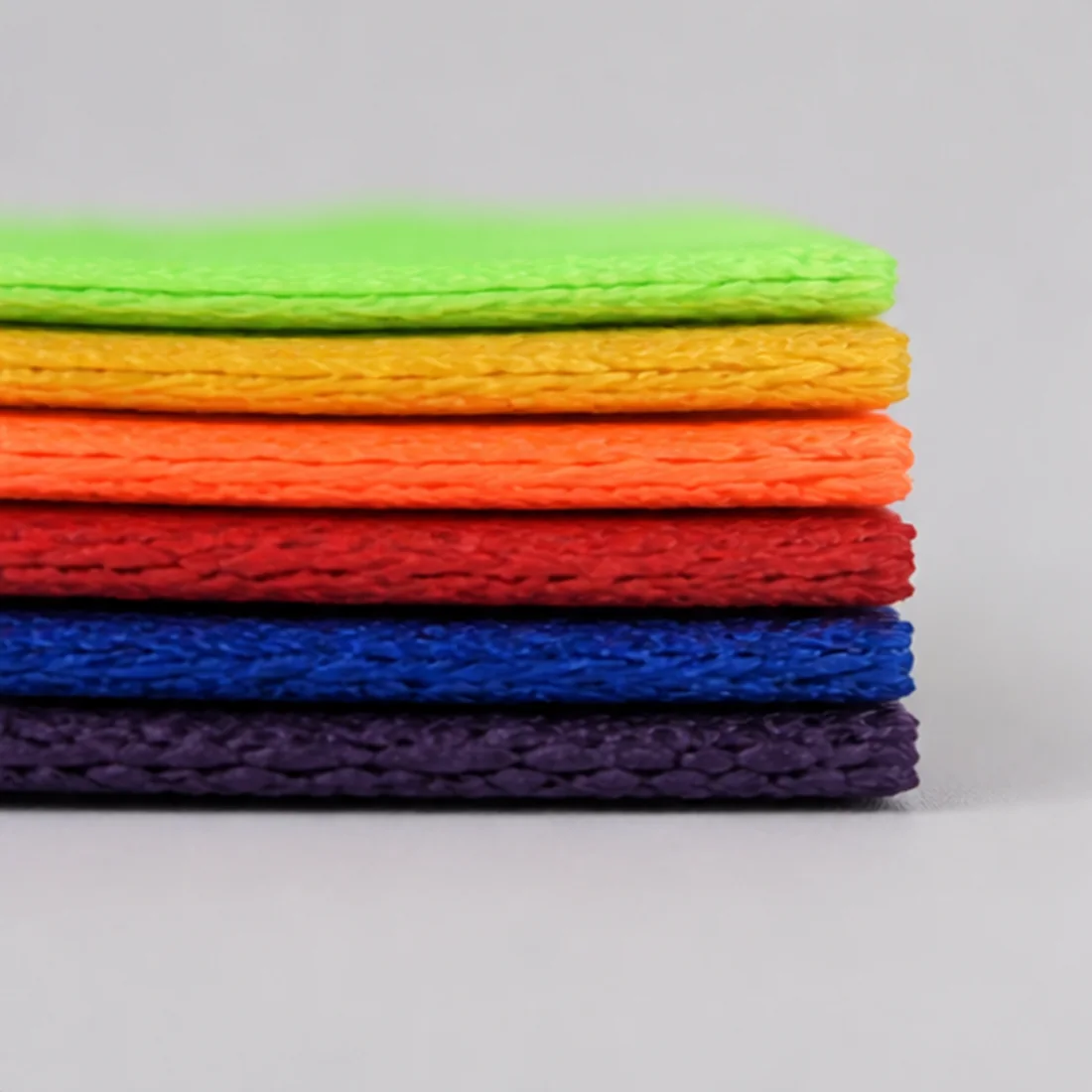
Round braid, flat braid, knitted cord, twisted cord and core-filled constructions do not behave the same even when their nominal size is similar. Construction affects compressibility, surface texture, bend radius, recovery and how a cord carries a pattern. Ask the supplier to name the proposed structure and retain an identified sample. Terms such as “soft,” “premium” or “high density” are useful design directions but not complete production controls.
For a round cord, define the nominal diameter and an agreed measurement method because soft constructions deform under pressure. For a flat cord, define finished width and, where assembly requires it, thickness. State whether measurements are taken relaxed, after conditioning, under a specified light contact force or after care. The goal is repeatability between buyer and supplier, not a number obtained by squeezing a soft cord until it fits a calliper reading.
Cut length also needs a stable reference. Indicate whether the dimension includes tips, knots, folded ends or heat-sealed zones and whether it is measured straight, relaxed or under defined tension. Mark the centre point and orientation when a two-colour pattern, logo or different end components must align with the garment. Use revision-controlled drawings for complex assemblies rather than relying on comments placed over a photograph.
| Field | What to define | How to approve it |
|---|---|---|
| Construction | Round, flat, knitted, braided, twisted or core-filled direction | Named sample plus construction declaration |
| Finished size | Diameter or width, thickness if relevant, tolerance and condition | Recorded measurements using an agreed method |
| Cut length | Datum, tension condition, included components and tolerance | Revision-controlled drawing and sample |
| Pattern | Repeat, orientation, centre point and face where applicable | Layout approval followed by physical sample |
Choose only the controls that affect the end use. The appropriate method and tolerance depend on the selected cord construction.
03Translate Material, Hand and Stretch Into Observable Requirements
Polyester, nylon, cotton, polypropylene and blended constructions each provide different design directions, but fibre identity does not guarantee the final hand or durability. Yarn form, twist, braid density, core, dye route and finishing can change firmness, sheen and surface friction. State the material requirement or acceptable options, then describe why it matters: soft skin contact, a dry natural hand, low moisture uptake, clean colour, flexibility through small eyelets or another application need.
Do not use “elastic” and “stretch” without defining the intended behaviour. Some drawcords need minimal extension so tightening remains predictable; others may include an elastic component for comfort or retention. Agree the direction of extension, test length, conditioning, applied force or extension, number of cycles, recovery interval and acceptance measure. If the cord is not intended to be elastic, still check whether constructional elongation affects use.
Evaluate hand on a controlled sample rather than a written adjective. Compare bend, squeeze, knot security, surface friction and recovery using the actual component path. A cord that feels soft in the hand may flatten inside a toggle; a firm cord may preserve a round appearance but feel harsh against skin. Record the approved physical reference and the features it controls so later teams do not treat the sample as a colour reference only.
04Control Colour, Pattern and End Treatments Separately
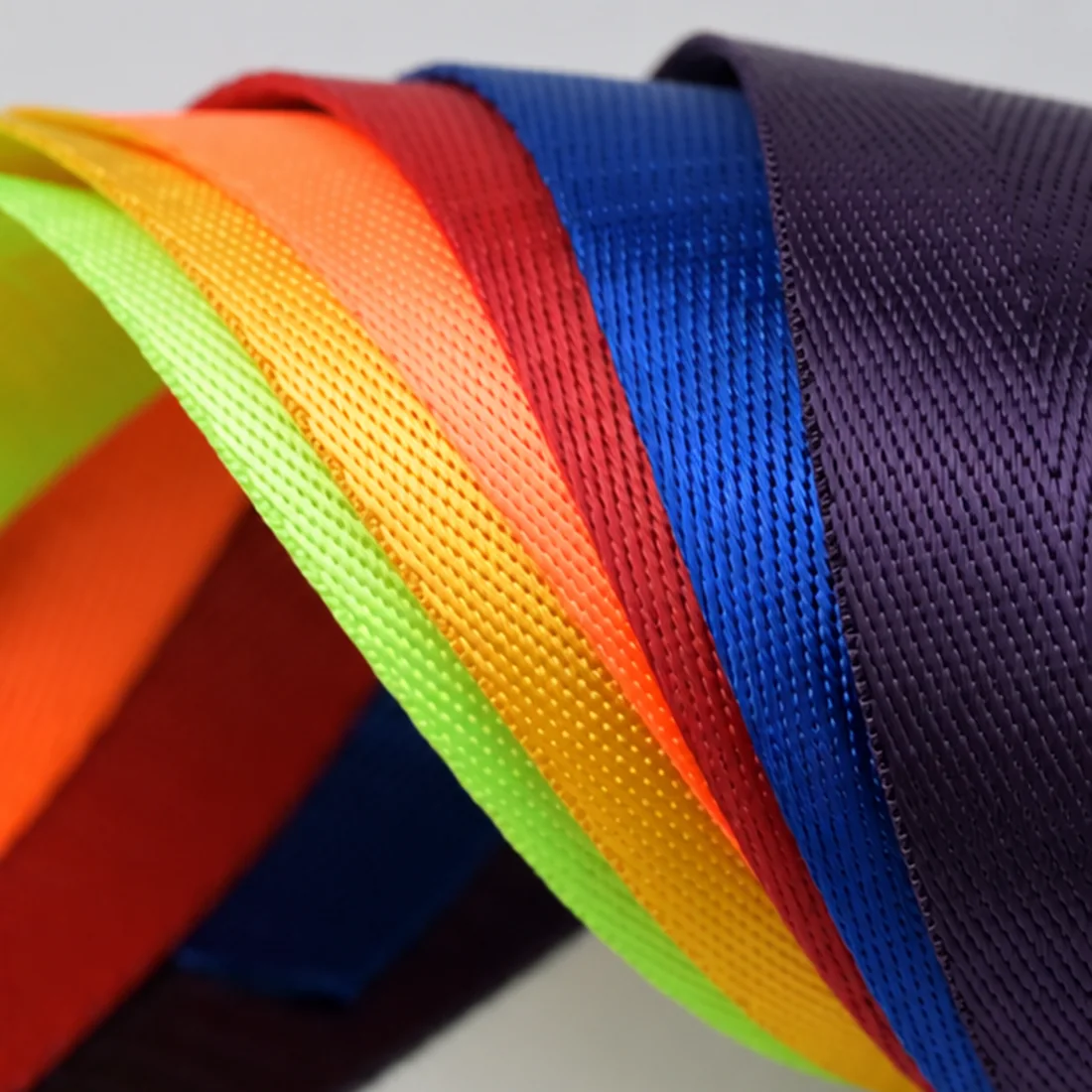
Approve colour on the selected fibre and construction. The same screen value or colour reference can appear different on glossy filament, matte spun yarn, cotton-rich surfaces or mixed-colour braids. Provide a physical target when the match is critical, agree lighting and comparison conditions, and distinguish initial shade approval from colourfastness. A cord can visually match at approval while still needing validation for rubbing, washing, perspiration or light exposure.
For mixed-colour, reflective, flecked or branded cords, define yarn placement, repeat, twist direction, logo orientation and acceptable visual variation. Photograph the approved sample from more than one side when the pattern changes around the circumference. If a printed mark must remain visible after knotting or threading, approve it in that normal-use position. Digital layouts are helpful, but they cannot replace a physical assessment of scale, texture and distortion.
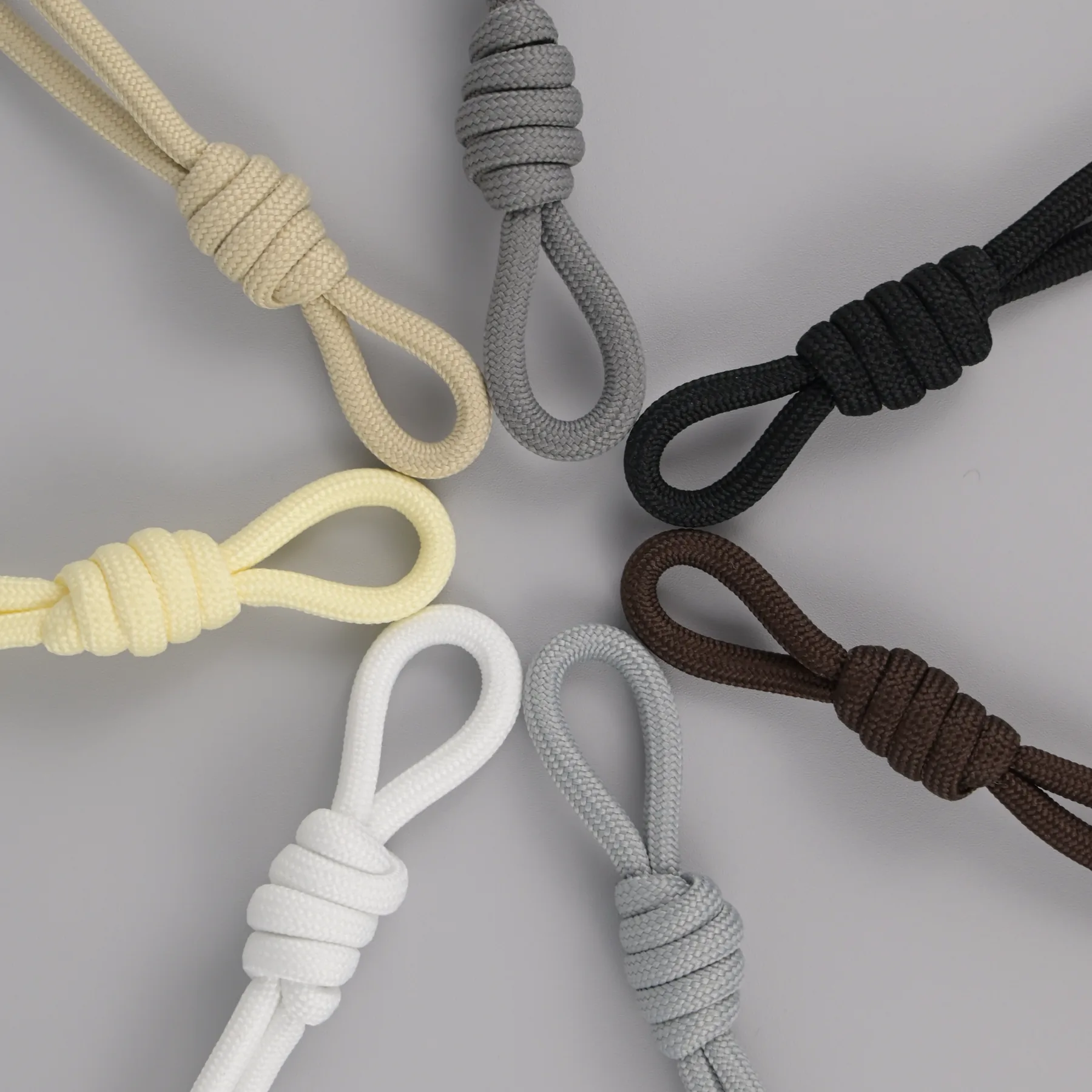
Treat the end process as its own component specification. Heat sealing, moulded tips, metal aglets, film wraps, folded ends and sewn loops interact differently with yarn and care conditions. Define finished length, profile, colour, logo, sharp-edge expectations, attachment method and pull-off or durability evaluation where relevant. Check whether the process discolours, stiffens or enlarges the cord enough to affect the intended eyelet or channel.
05Validate the Cord With Real Hardware and Production Assembly
Send the actual eyelet, toggle, stopper, aglet, lace hook or channel fabric whenever possible. Drawings are useful for screening, but real parts reveal compressibility, surface friction, seam bulk and burrs. Test the narrowest expected opening and the full threading route. Confirm that the end passes during assembly, the cord adjusts without excessive effort and the hardware holds as intended without cutting, glazing or permanently flattening the textile.
Build a representative assembly using the intended fabric, reinforcement, stitch type and seam allowance. Check puckering, channel distortion, colour transfer and abrasion at openings. For footwear, evaluate lacing and release across the intended eyelet pattern and flex points. For hoods or waistbands, assess comfort, free-end management and the way a knot or stopper sits during movement. Product safety requirements, including risks associated with cords on children’s clothing, must be assessed under the regulations and standards applicable to the target market.
Confirm the production process around the cord. Cutting temperature, insertion tools, automated threading, pressing, washing and packing can affect the approved result. If the buyer supplies hardware or fabric, record its revision and notify the cord supplier when it changes. A new coating or eyelet finish can alter friction even when the drawing dimensions remain identical.
- Test insertion and movement through the complete component path.
- Review holding, slip, wear and textile damage under representative use.
- Use the intended fabric, seam, eyelet and hardware revision.
- Apply target-market safety and regulatory review at finished-product level.
06Build a Proportionate Sample and Test Plan
Choose tests from the product risks and claims. ASTM D6775 provides a method for determining breaking strength and elongation of textile webbing, tape and braided material, but the buyer and supplier must confirm that its scope, equipment and specimen preparation fit the selected cord. The test method does not supply a universal pass value for apparel or footwear. The product team must establish acceptance limits from the real application and customer requirement.
Colour and care evaluation also need named exposures. ISO 105-X12 addresses colourfastness to rubbing, while ISO 6330 specifies domestic washing and drying procedures used for textile testing. Neither standard means that every cord requires the same procedure or grade. Select dry or wet rubbing, washing programme, number of cycles and adjacent materials to reflect the labelled care and foreseeable use, then record the method and agreed result.
Use staged approval: construction and hand sample, colour or pattern sample, component-fit sample and pre-production reference as the project requires. Give every sample a code, date and revision. Record which attributes are approved and which remain open. Retain the agreed reference with the specification and require notice before a change to fibre, yarn, braid, dyeing, finish, tip process or production route that could affect the outcome.

| Risk or claim | Possible evaluation direction | Decision to record |
|---|---|---|
| Fit and movement | Full hardware and channel trial | Insertion, adjustment and holding acceptance |
| Strength or extension | Applicable cord or braided-material method | Condition, method and product-specific limit |
| Colour transfer | Dry and/or wet rubbing with relevant adjacent material | Method, side, colour and acceptance grade |
| Care durability | Label-aligned washing and drying sequence | Cycles, drying route and attributes reviewed |
| End security | Application-specific pull or cyclic evaluation | Fixture, loading sequence and failure definition |
07Custom Drawcord RFQ and Approval Checklist
A clear RFQ lets suppliers quote the same product instead of different assumptions. Attach the finished-product view, cord drawing, colour target, hardware and any reference sample. State quantities by colour, destination and commercial terms, but keep technical requirements separate from commercial preferences. Ask the quotation to identify the proposed material and construction, deviations, sample stages, tooling or component dependencies and the information still needed from the buyer.
Before releasing an order, connect the approved sample to the bill of material, purchase order and quality plan. Confirm the cord code, construction, declared composition, finished dimensions, colour or pattern, cut length, tips, packaging, applicable tests and change-control requirement. This record is more useful than a description such as “5 mm black premium cord,” which can be interpreted differently by every future supplier or team member.
- Finished product, cord function, target market and assembly location.
- Round or flat construction, material direction, hand and stretch behaviour.
- Diameter or width, thickness if relevant, cut length and measurement conditions.
- Colour reference, pattern, logo, reflectivity and viewing conditions.
- Tip, knot, seal, loop or other end treatment with drawings.
- Eyelets, channels, toggles and adjacent materials supplied for fit review.
- Care, rubbing, exposure, strength and end-security methods where relevant.
- Sample stages, approval codes, packing, quantity, destination and change notice.
08Frequently Asked Questions
What is the most important information for a custom drawcord quotation?
Provide the finished product and function, cord construction, material direction, nominal size, cut length, colour or pattern, end treatment, hardware path, quantity, destination, care conditions and required approvals. Attach hardware and a physical reference when fit or hand matters.
How should the diameter of a soft round drawcord be measured?
Agree the instrument, contact pressure, conditioning, measurement locations and whether the cord is relaxed. Soft cords flatten under pressure, so a diameter tolerance without a repeatable method can produce conflicting results.
Can a colour reference approve drawcord colourfastness?
No. A colour reference helps approve the initial shade. Colourfastness requires a named exposure method, such as rubbing or care testing, with the relevant sample condition, adjacent material and agreed acceptance grade.
Should I test the cord separately or in the finished product?
Both may be useful. Material tests characterize the cord, while assembly trials reveal eyelet fit, toggle holding, seam interaction, comfort and wear at contact points. The finished-product risk should determine the plan.
When should end tips or aglets be approved?
Approve them with the selected production-colour cord and real hardware. Review dimensions, appearance, attachment, sharp edges, care durability and whether the finished end still passes through the intended opening.
09Sources & further reading
Sources support the principles discussed; the final specification and test plan must follow the application and buyer requirements.
- ASTM D6775-13(2024) — Breaking Strength and Elongation of Textile Webbing, Tape and Braided MaterialASTM International
- ISO 105-X12:2016 — Colour Fastness to RubbingInternational Organization for Standardization
- ISO 6330:2021 — Domestic Washing and Drying Procedures for Textile TestingInternational Organization for Standardization