
01Define the Function and Exact Location First
“Shoe cord” can mean a functional lace, a decorative braid, an elastic quick-entry component or a loop that is stitched into the upper. A pull tab may help the wearer put on a boot, provide a design accent or carry branding. These components may look similar in a sketch but experience different tension, flexing, rubbing, moisture and attachment loads. Begin the brief with a marked footwear drawing showing where the component sits, what the wearer does with it and what failure would mean.
Describe the complete use path. For a lace, identify the eyelet or guide geometry, lacing pattern, knot expectation and whether the cord must slide freely or hold position. For a heel or tongue loop, show the fold, seam allowance, stitch direction and free opening. If the component passes through a buckle, toggle or moulded part, provide the actual hardware or a controlled drawing. Nominal diameter alone cannot predict whether a cord will thread, rotate, flatten or bind in the assembly.
Separate structural, functional, decorative and brand-critical requirements. A decorative cord may be approved mainly for appearance and sewability, while a pull tab that is repeatedly gripped requires an assembled-product attachment plan. The sourcing team should not infer a safety classification from a product name. The footwear brand remains responsible for defining the intended use, foreseeable misuse, market requirements and the evidence proportionate to that risk.
- Mark the component location, orientation and installed length on the footwear drawing.
- Describe threading, pulling, bending, abrasion, moisture and care conditions.
- Identify every supplied mating part: eyelet, toggle, hook, buckle, upper material and thread.
- State whether appearance, fit, repeated operation or attachment strength is the controlling risk.
02Choose Construction and Material as a System
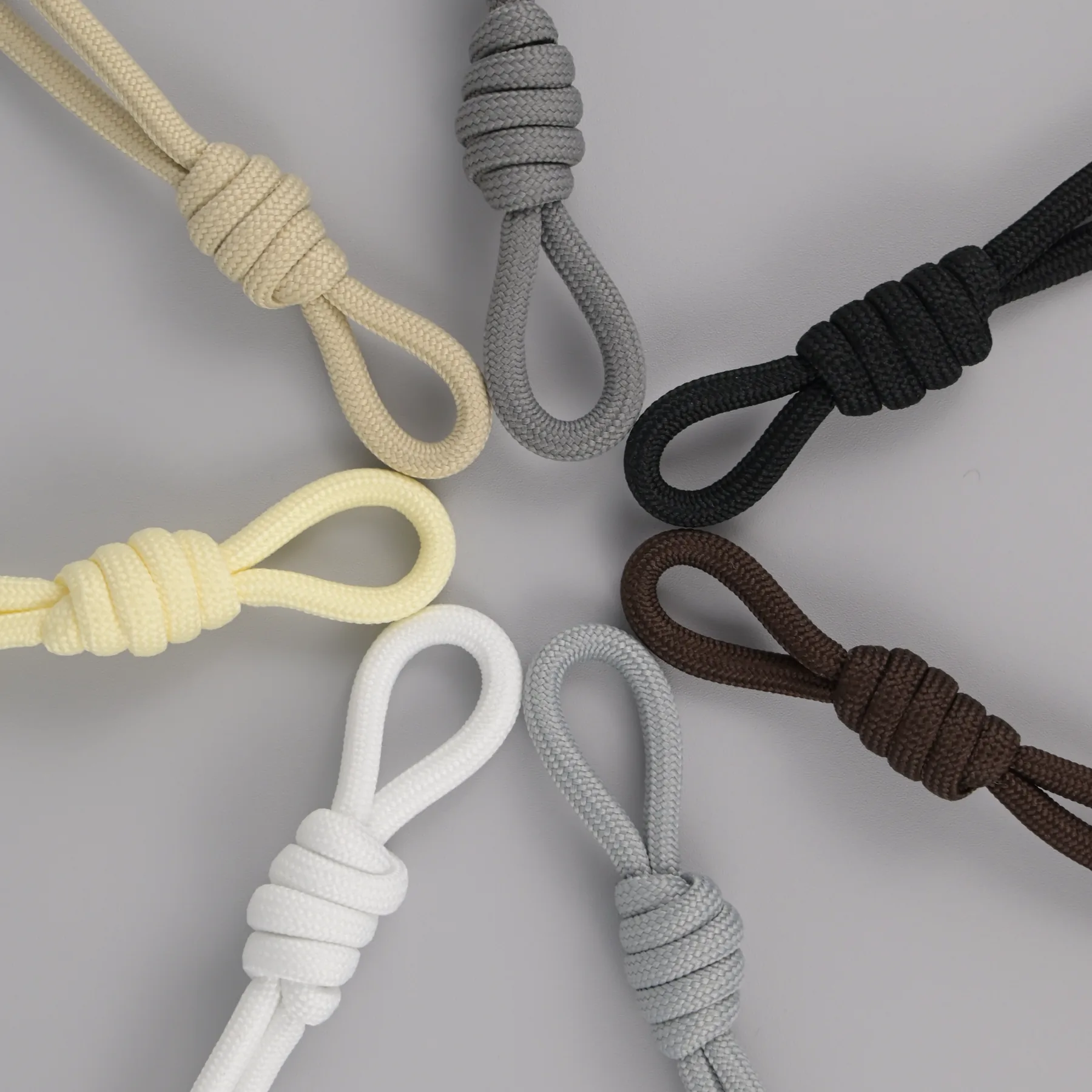
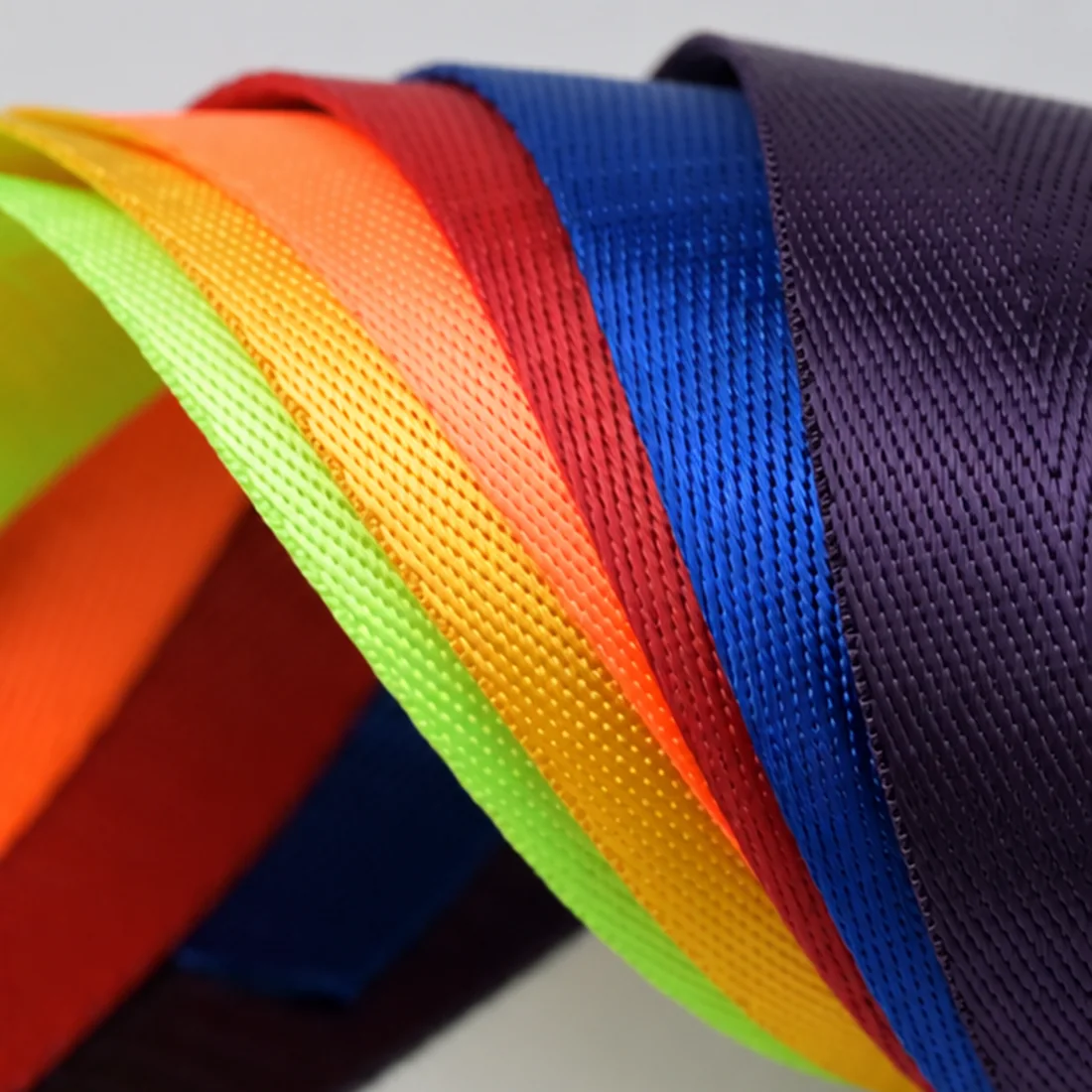
Round braid, flat braid, knitted cord, tubular construction, elastic cord and woven tape each interact differently with eyelets, seams and hands. The same fibre can produce a firm, smooth lace or a soft, compressible cord depending on yarn form, density, core and finishing. Instead of asking for “polyester cord” alone, provide a physical reference or describe the required profile, firmness, recovery, surface friction, sheen and bending behaviour.
Material selection should follow the footwear environment. Polyester, nylon, polypropylene, cotton and blended constructions have different moisture, abrasion, dyeing, hand and heat-response characteristics. Elastic versions add a recovery requirement and may need limits for extension in the installed system. Ask the supplier to declare the proposed composition and construction, then approve that defined proposal. A visual match made from an unidentified yarn is weak protection for repeat orders.
Consider contact materials before locking the design. A coarse braid may abrade a soft upper or lining; a highly polished cord may slip at the knot; a bulky seam or fold may create a pressure point. Colour migration, staining and surface change can depend on the cord, upper, lining, finish and care process together. Sampling should therefore include the intended upper material and assembly, not only a loose trim viewed on a desk.
| Design field | Questions to resolve | Useful approval evidence |
|---|---|---|
| Profile and construction | Round, flat, tubular, braided, knitted, woven or elastic? | Identified component sample and cross-section description |
| Material | Which fibre, yarn form and any elastic component? | Declared composition tied to the sample revision |
| Surface | Required grip, glide, softness, sheen and texture? | Hardware-threading and hand-feel review |
| Assembly compatibility | How does it contact upper, lining, eyelet, thread or hardware? | Trial made with production-intent mating components |
The construction should be validated in the intended footwear assembly; no single option is universally best.
03Specify Dimensions With the Condition and Method
For cords, a stated diameter may describe a nominal size rather than a stable circular measurement. Soft or hollow constructions flatten under a calliper, while elastic cords change under tension. Define the measurement equipment, applied pressure or gauge where relevant, specimen conditioning and whether the value is taken relaxed or under a stated load. For flat laces and pull-tab tapes, document finished width and thickness along with the same measurement conditions.
Length needs an equally clear datum. A finished lace may include an aglet, moulded tip, knot, folded end or other termination. State whether overall length includes those ends and whether the component is measured straight, relaxed or after conditioning. For looped pull tabs, distinguish cut length, folded length, seam insertion, exposed loop and installed opening. A simple annotated drawing is usually more reliable than a paragraph of dimensions.
Avoid importing tolerances from another component without checking the construction and function. First define the fit or visual risk, then use sampling to establish a realistic manufacturing range and measurement method. If a cord must pass through hardware, approve the range using representative upper parts and hardware. Record the result in the specification rather than relying on the fact that one hand-selected sample happened to fit.

- Finished profile or width, thickness and agreed measurement condition.
- Overall length, included end treatments and the measurement datum.
- Pattern or colour repeat, logo direction and placement relative to the ends.
- For pull tabs: cut length, fold, seam insertion, exposed loop and stitch zone.
04Control Colour, Branding and End Treatment Separately
A screen rendering is not a dependable textile colour standard. Provide a recognized colour reference or physical target and identify the viewing condition for approval. Texture, fibre and sheen change the way a colour appears, so the same colour direction may need different physical approvals on a braid, woven tape and upper fabric. If transfer or fading matters, define the actual exposure and evaluation method instead of using “colourfast” as an unsupported label.
End treatment affects both appearance and function. Options may include heat cutting, tipping film, moulded components, stitching, folding, knots or caps. The appropriate choice depends on fibre response, threading path, user contact, footwear construction and brand design. Specify finished end dimensions, colour, edge condition, bond or attachment, permitted marks and any logo orientation. If a treatment involves heat or adhesive, review its effect on hand, shade and surrounding materials.
Branding can be woven, printed, moulded or added through hardware, but every method has scale and registration limits. Supply vector artwork, minimum critical detail, repeat, reading direction and a marked placement drawing. Approve artwork layout separately from the physical component. A digital drawing can confirm spelling and orientation, while the sample confirms actual readability, yarn interaction, surface and end finish.
05Test the Attachment as an Assembled Footwear System
A pull tab is only as strong and usable as the complete attachment. The tape may remain intact while stitches cut the yarn, the upper tears, the seam slips or the fold geometry concentrates load. Record the intended upper material, reinforcement, stitch type, thread, stitch count or pattern, seam allowance and load direction. The sample should be made using production-intent components and a representative assembly process.
ISO 24263 describes a method for determining attachment strength for footwear upper straps, hooks, eyelets and trims. Its existence does not create a universal pass value for every pull tab. The brand and supplier must agree whether the method fits the design, how the specimen is prepared and conditioned, the loading direction, what is recorded and the application-specific acceptance criterion. Textile-component breaking strength may be assessed separately using an agreed method such as ASTM D6775 where appropriate.
Use test results to understand the failure mode, not just to collect a number. Record whether failure occurred in the textile, stitch, upper, reinforcement, hardware or grip area. If the footwear design changes, reassess the relevance of previous evidence. Moving the seam, changing the upper, using another thread or altering the loop opening can change the system even when the cord or tape item number is unchanged.

06Build Sampling Around Decisions, Not Parcel Count
Label each sample stage by purpose. An initial direction sample may compare profiles and hand. A construction sample may establish material, braid or weave and dimensions. A colour sample may resolve shade and surface. A pre-production assembly may confirm end treatment, sewing, hardware path and representative production conditions. More parcels do not automatically create control; each stage needs a question, a revision code and an approval record.
Create a scorecard before review. Check the loose component for construction, dimensions, colour, surface, end finish and visible defects. Then assemble it using the intended upper, hardware and process. Evaluate threading, grip, comfort, interference, appearance and any agreed tests. Record exceptions precisely. “Approved except length” is useful only when the revised length, datum and next verification step are documented.
Both parties should retain the same sealed or identified approval reference. Link the purchase order to the drawing, component specification, colour standard and sample revision. Define which later changes require notice—such as fibre source, construction, dye route, tip material, finish or assembly component. This protects repeatability without pretending that a physical sample alone documents every invisible variable.
- Give each sample a revision, date, material declaration and purpose.
- Review the loose trim and assembled footwear as two separate approval layers.
- List every deviation and the exact gate that will close it.
- Retain the approved reference and link it to the production specification.
07Footwear Cord and Pull-Tab RFQ Checklist
A quotation is comparable only when suppliers receive the same technical and commercial assumptions. Send the footwear type, marked application drawing, required construction or reference, material direction, dimensions and methods, colour and artwork, end treatment, mating components, attachment detail, quantity by variant, sample needs, packaging, destination and target milestone. Ask the supplier to identify assumptions, exclusions and decisions needed before sampling.
Do not force unknown engineering details into the first RFQ. Mark them as open and ask for a documented proposal with alternatives. What matters is that uncertainty remains visible. When the construction is selected, update the controlled specification and price basis. This produces a more dependable path from design intent to a sample that footwear design, sourcing, production and quality teams can review together.
- Footwear drawing with trim location, function, orientation and assembly.
- Physical reference or construction, profile, hand and material direction.
- Dimensions, datums, measurement condition and required ranges.
- Colour target, artwork, surface, end treatment and appearance criteria.
- Upper, lining, thread, reinforcement, eyelet, toggle or other mating parts.
- Agreed component and attachment tests with methods and buyer-defined limits.
- Quantity by colour and size, packing, destination and approval milestones.
08Frequently Asked Questions
What is the most important information for a custom footwear cord quotation?
Provide the exact footwear use, construction or reference, material direction, profile and length, colour, end treatment, hardware path, quantity and assembly drawing. Identify which fields are fixed and which require a supplier proposal.
Should footwear cord diameter be measured relaxed?
The condition must be agreed. Soft, hollow and elastic cords change under pressure or tension, so state the equipment, pressure or load, conditioning and specimen locations. Hardware fit should also be verified with representative components.
Can a cord strength test prove that a pull tab is safe?
No. A component result does not prove the stitched footwear assembly. The upper, reinforcement, thread, seam geometry, fold and loading direction can control failure. Use an application-specific assembled test plan and buyer-defined criteria.
Is a digital artwork approval enough for branded pull tabs?
It confirms layout, spelling, repeat and orientation, but not the final yarn colour, readability, hand, edge, end finish or installed appearance. Approve a controlled physical sample as a separate step.
How many footwear trim samples are needed?
There is no universal count. Use stages that close the actual risks: construction, dimensions, colour, end treatment, assembly and representative production. Give each sample a purpose and revision rather than requesting repeated unlabelled samples.
09Sources & further reading
Sources support the principles discussed; the final specification and test plan must follow the application and buyer requirements.
- ISO 24263:2020 — Footwear — Attachment strength of straps, trims and accessoriesInternational Organization for Standardization
- ASTM D6775 — Breaking Strength and Elongation of Textile Webbing, Tape and Braided MaterialASTM International
- ISO 105-X12:2016 — Colour fastness to rubbingInternational Organization for Standardization