
Load Path and Use
Describe whether the component is a shoulder strap, handle, binding, compression strap, loop, drawcord or decorative branded detail.
Bags and luggage
Select the narrow textile around the load path, hardware, sewing, hand feel and exposure of the finished bag rather than relying on fibre name alone.
Component and assembly fit
Webbing, adjusters, buckles, seams, anchor points and bag fabric work together. A change in one component can affect fit, slippage and appearance.
Describe whether the component is a shoulder strap, handle, binding, compression strap, loop, drawcord or decorative branded detail.
Provide the buckle, adjuster or drawing and show the fold, seam and anchor so width, thickness, edge and surface can be reviewed together.
Explain moisture, abrasion, sunlight, repeated flexing and hand-feel priorities, then compare proposed materials through application-specific samples.
Relevant product directions
Compare the product directions most often reviewed for this application, then confirm the construction against your actual assembly and use conditions.
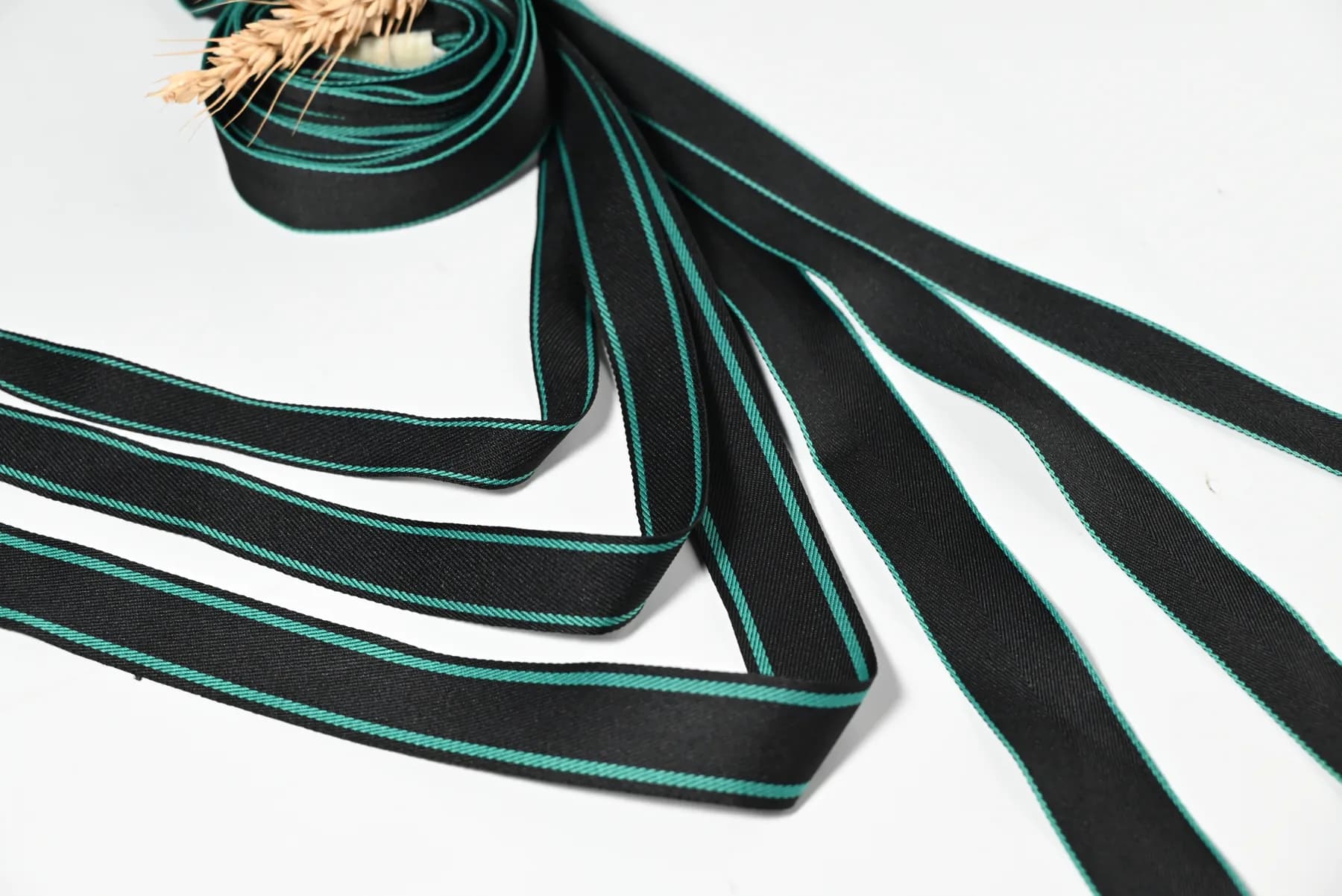
Custom woven webbing for straps, garment details, bags and accessories.
View Product →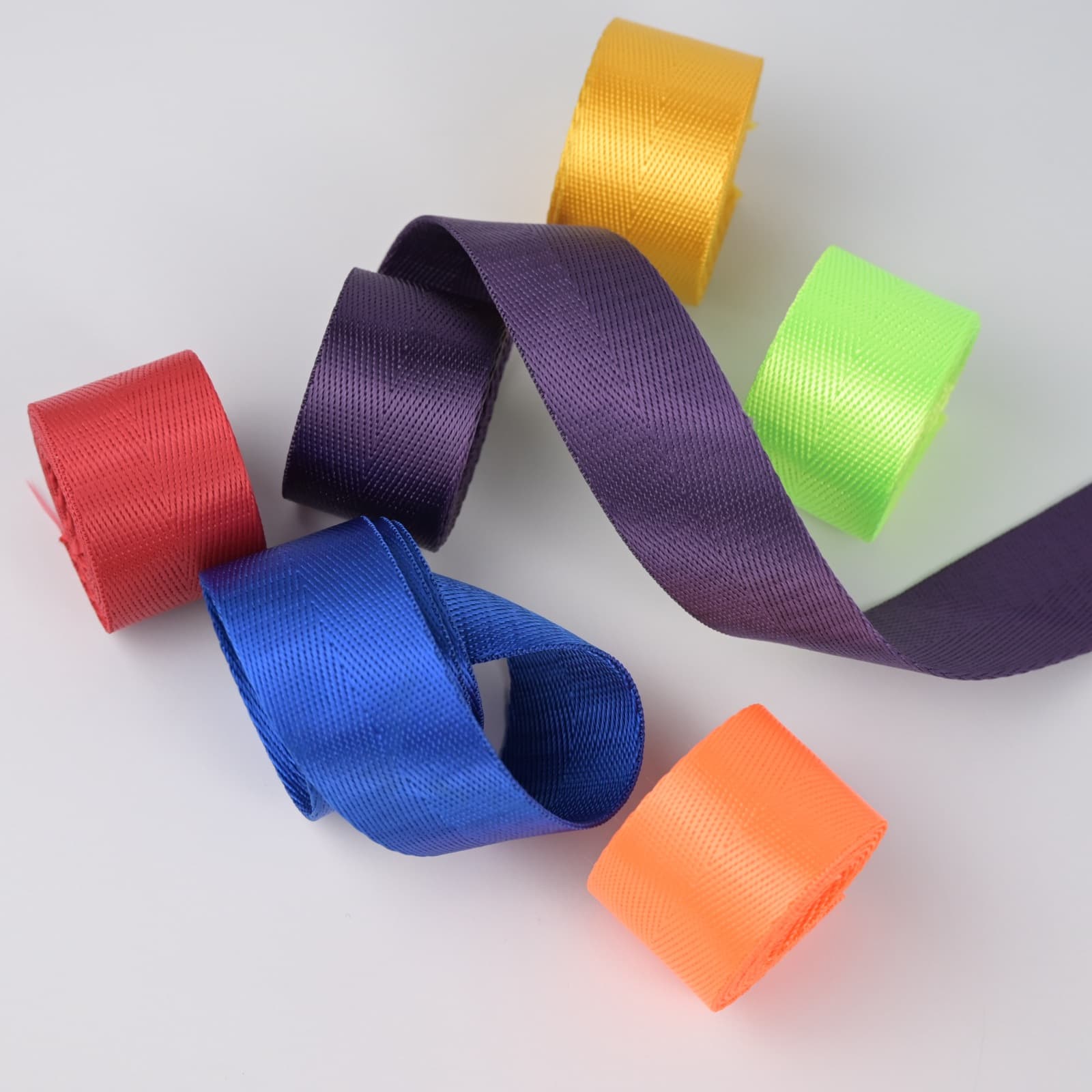
Custom nylon webbing developed for bags, apparel, footwear and accessories where a smooth hand, flexible construction and rich colour are priorities.
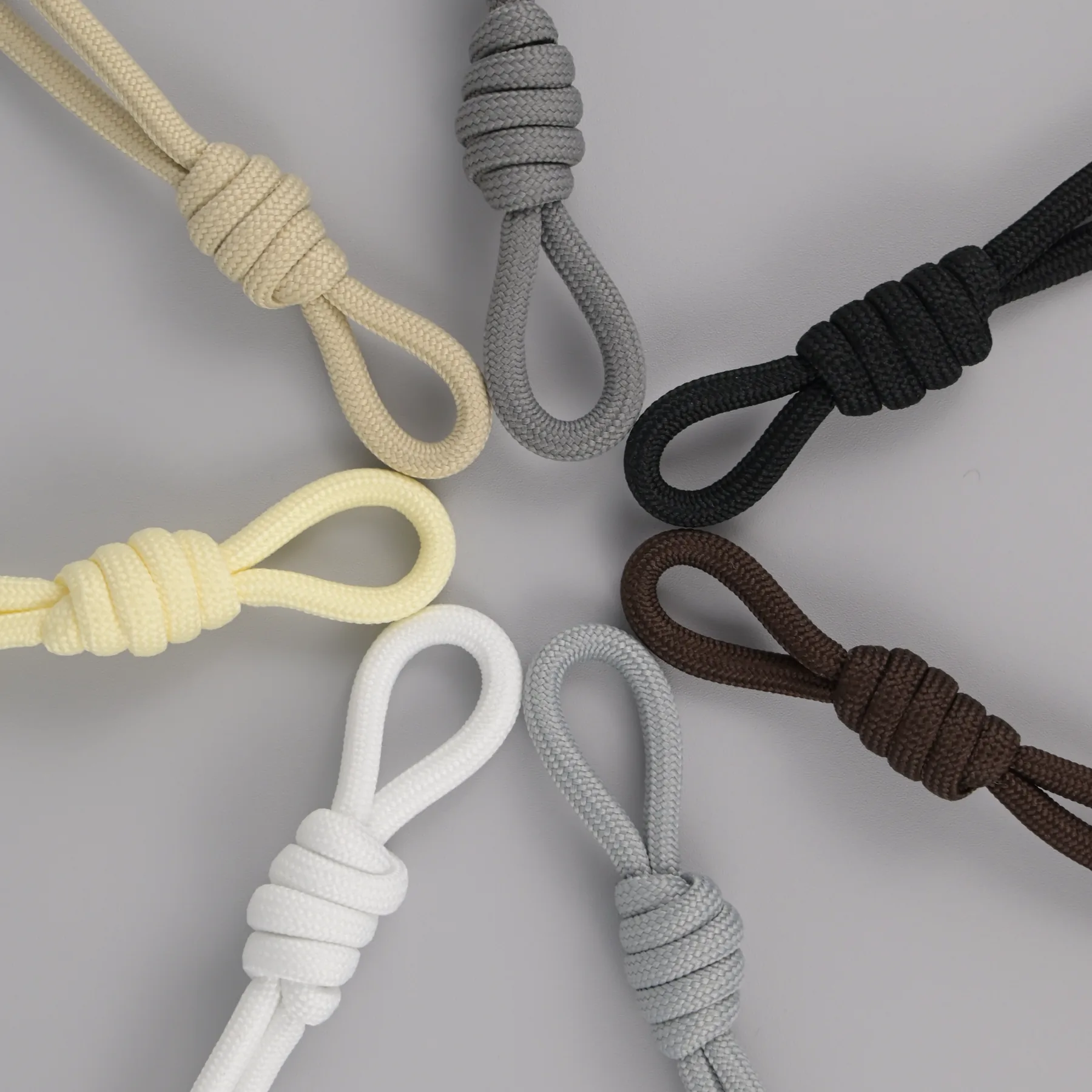
View Product →Drawcord, braided cord and textile rope directions for custom development.
View Product →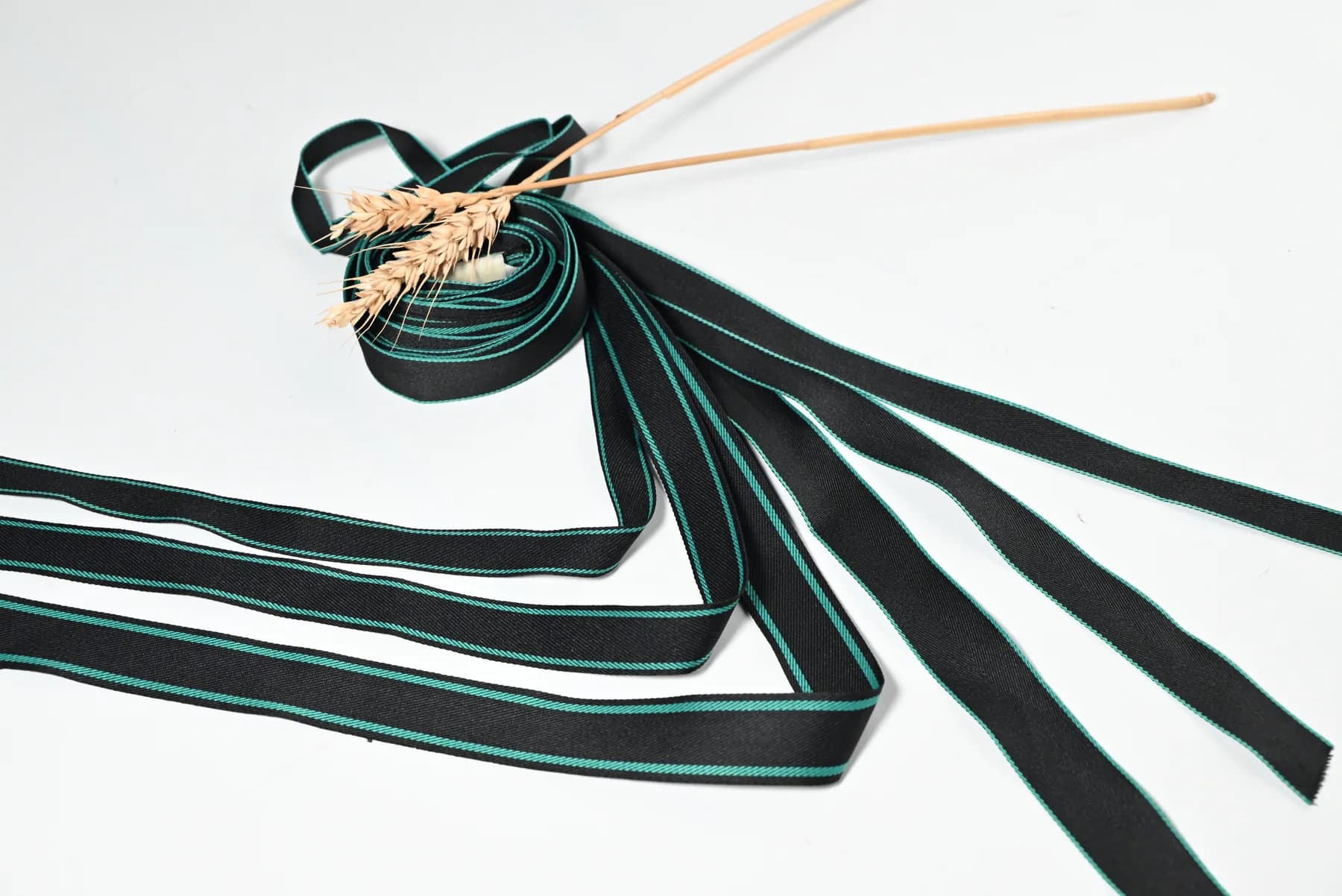
Woven logos, stripes and repeat patterns developed from buyer artwork.
View Product →Inquiry checklist
A supplier-ready bag brief connects the webbing to hardware, sewing and the conditions the finished product must face.
Buyer resources
Use these guides to prepare the technical and commercial information a supplier needs before sampling.
Buyer questions
Each material family offers different trade-offs in hand, moisture response, abrasion, appearance and cost. Define the bag type and exposure, compare documented constructions and validate the selected webbing with the actual hardware and seam.
Thickness, edge shape, surface friction, fold and adjuster geometry also influence threading and slippage. Send the actual hardware or a controlled drawing and approve the assembled path.
Record material and construction, dimensions, colour, hand, hardware fit, seam behaviour, edge, artwork, packing and the checks tied to the intended load and environment. Keep the approved sample revision identifiable.
Send the bag drawing, strap path, dimensions, hardware, target material, colour or artwork, quantity and expected use conditions before sampling.