
Lace Path and Hardware
Provide eyelet, hook, toggle or routing details so diameter, compression, surface and end size can be reviewed against the real path.

Footwear
Review laces, cord systems, loops and pull tabs as components of the complete shoe, including eyelets, hardware, repeated flexing, sewing and end finish.
Footwear component development
Diameter, braid, surface, end treatment and the lace path determine how the component threads, grips, flexes and looks in the finished footwear.
Provide eyelet, hook, toggle or routing details so diameter, compression, surface and end size can be reviewed against the real path.
Explain repeated flexing, tying, pulling, abrasion and hand-feel priorities for the target footwear category and user.
Define tipped or sealed ends, loop dimensions, fold and stitch zones, orientation and any bonding or assembly process.
Relevant product directions
Compare the product directions most often reviewed for this application, then confirm the construction against your actual assembly and use conditions.
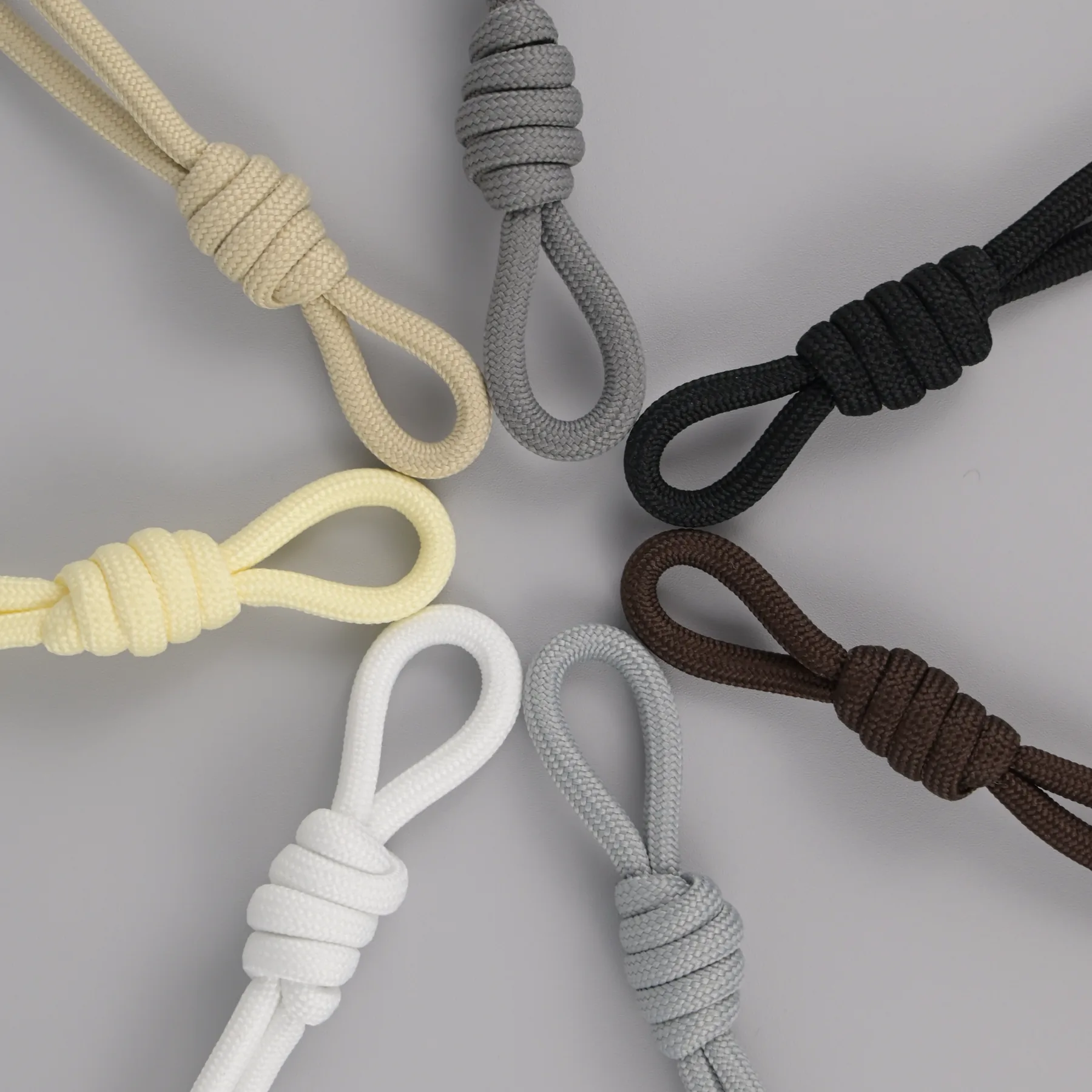
Drawcord, braided cord and textile rope directions for custom development.
View Product →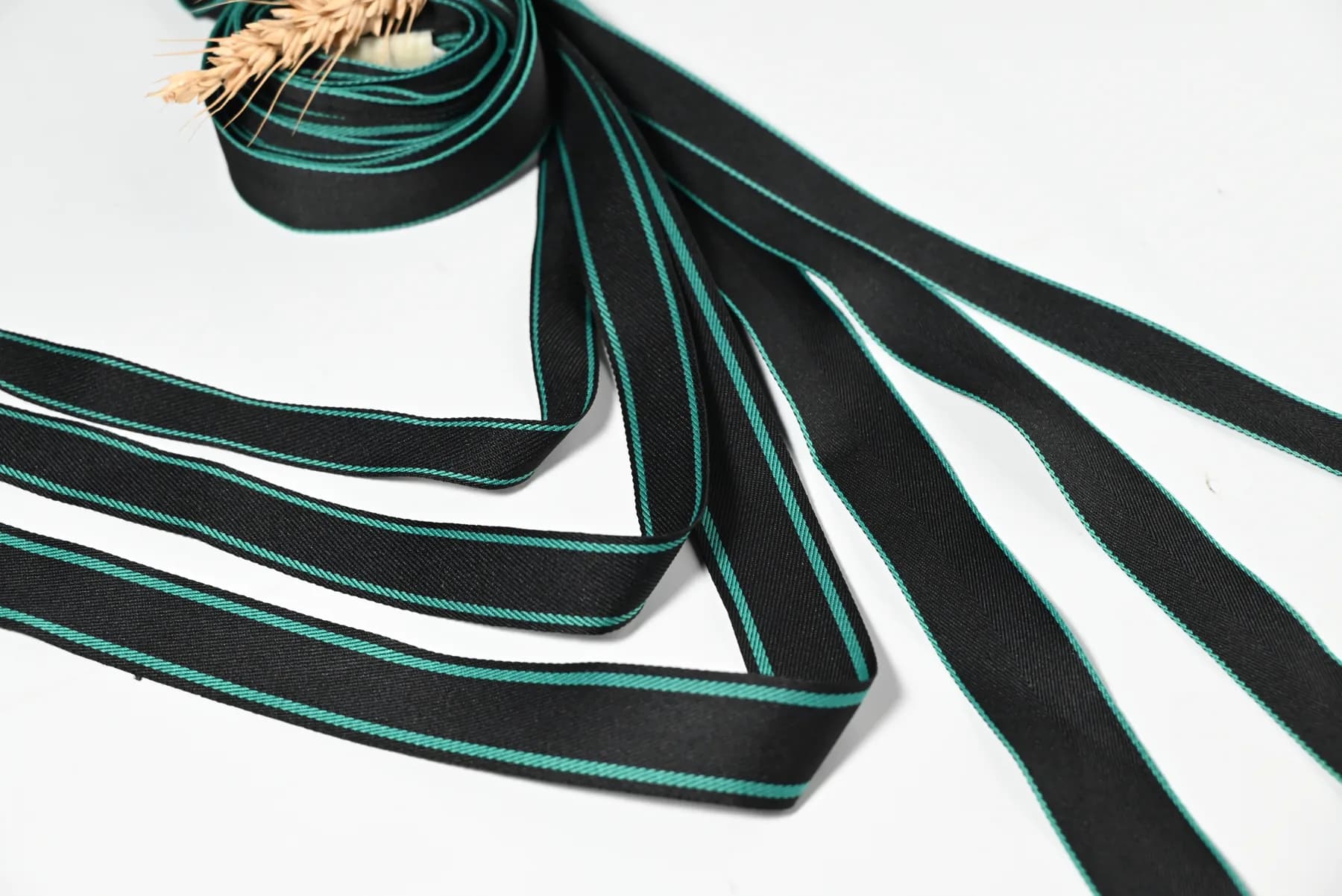
Custom woven webbing for straps, garment details, bags and accessories.
View Product →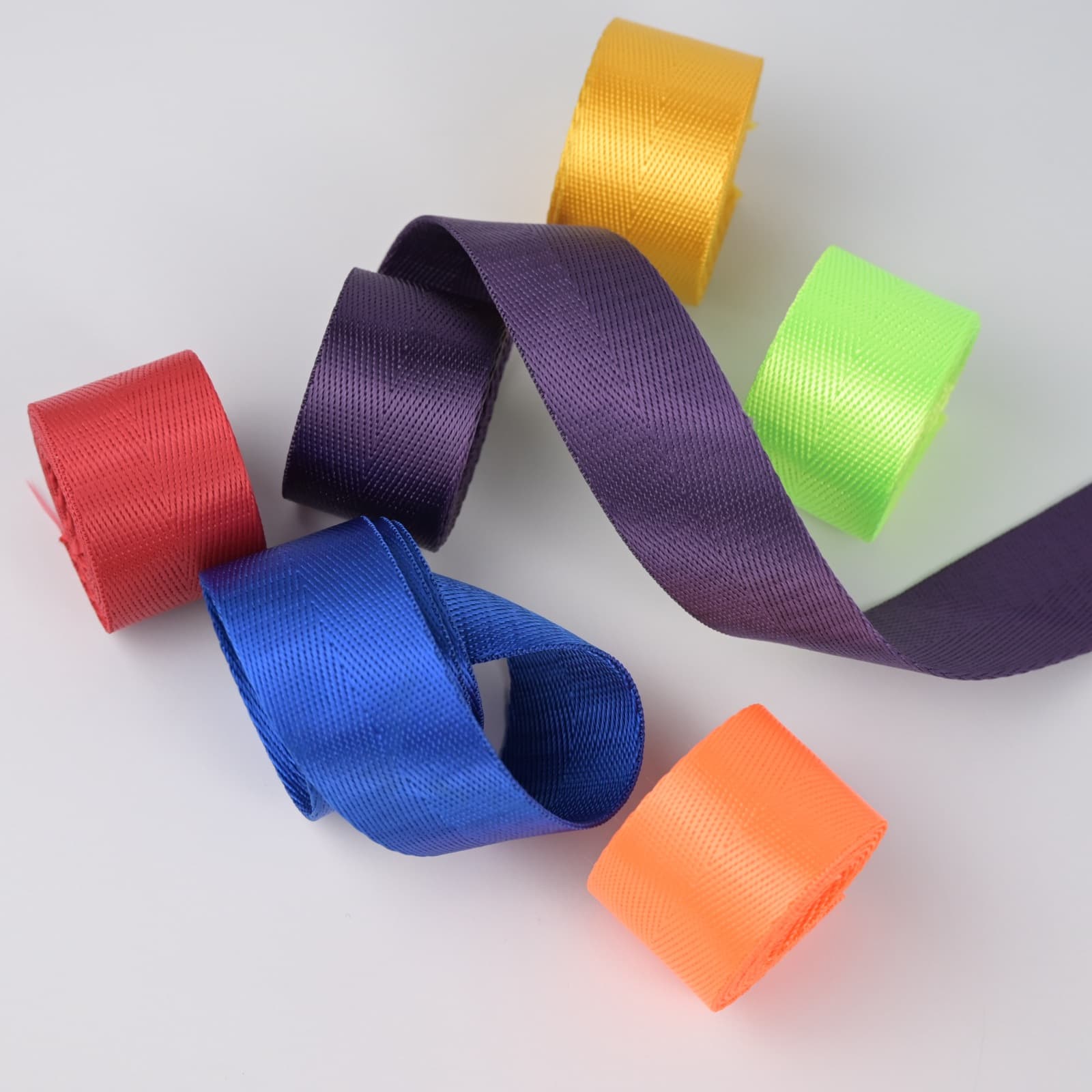
Custom nylon webbing developed for bags, apparel, footwear and accessories where a smooth hand, flexible construction and rich colour are priorities.
View Product →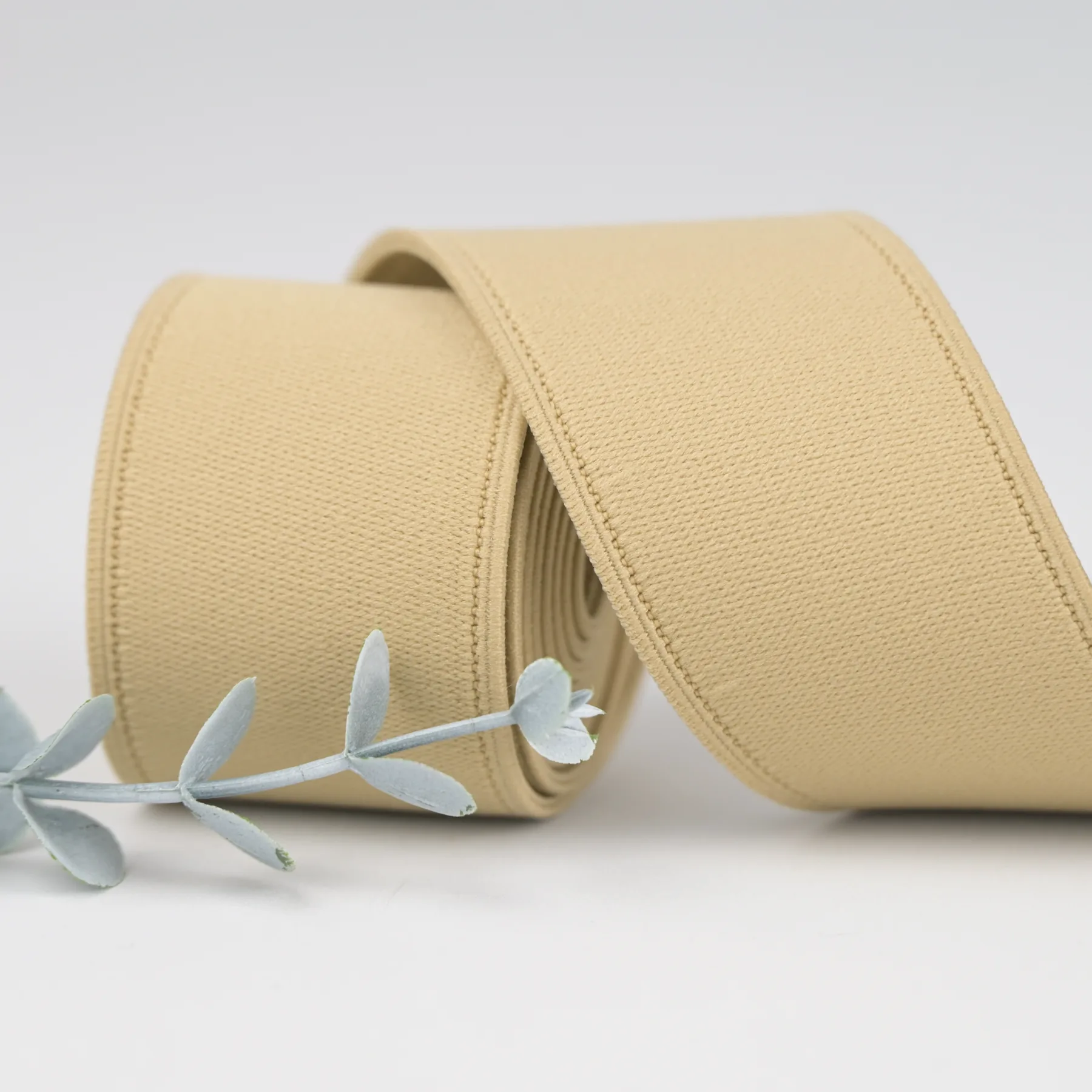
Elastic tapes developed for apparel, activewear and accessory applications.
View Product →Inquiry checklist
Include the mating parts and assembly information that determine whether the textile component will work in the finished shoe.
Buyer resources
Use these guides to prepare the technical and commercial information a supplier needs before sampling.
Buyer questions
Start with the complete lace path and the smallest eyelet or hardware opening. Review nominal diameter together with compression, braid, surface and end treatment, then test threading, tying and repeated use in the actual shoe.
Provide the finished tip dimensions, material or process direction, colour, transition area, pull and appearance expectations, plus the hardware or eyelet it must pass through. Approve both visual result and functional fit.
Sometimes, but their load path, hand, sewing and flexing can differ. Treat each component position as a separate application unless product trials confirm one construction satisfies both.
Send the shoe drawing, component path, dimensions, eyelet or hardware, colour direction, end finish, quantity and target use for specification review.